Law report · filed November 24, 2026
Criminal JusticeReported case
Albanian Prosecutors Say Kushner Resort Land 'Illegally Acquired'
Albanian prosecutors suspect the $130 million Kushner resort parcel was obtained through forged inheritance titles, as villagers, convicts' relatives and a fugitive's kin all claim the same coast.
By Sophie Lindqvist5 min read1,036 words
Holding
- A company working for Kushner paid over $130 million in April for 300 acres on Albania's southern coast.
- On Nov. 18, Pellumb Petritaj received a seven-year sentence for falsifying documents to $17 million of Vlore oceanfront property for Artur Shehu.
- Albanian prosecutors say the Kushner land is 'suspected of having been illegal acquired through forgery'.
- Protesters have marched daily in Tirana since May 31 demanding PM Edi Rama's resignation.
- Rep. Jamie Raskin says the Albania resort is among Kushner deals facing investigative inquiries in the incoming Congress.
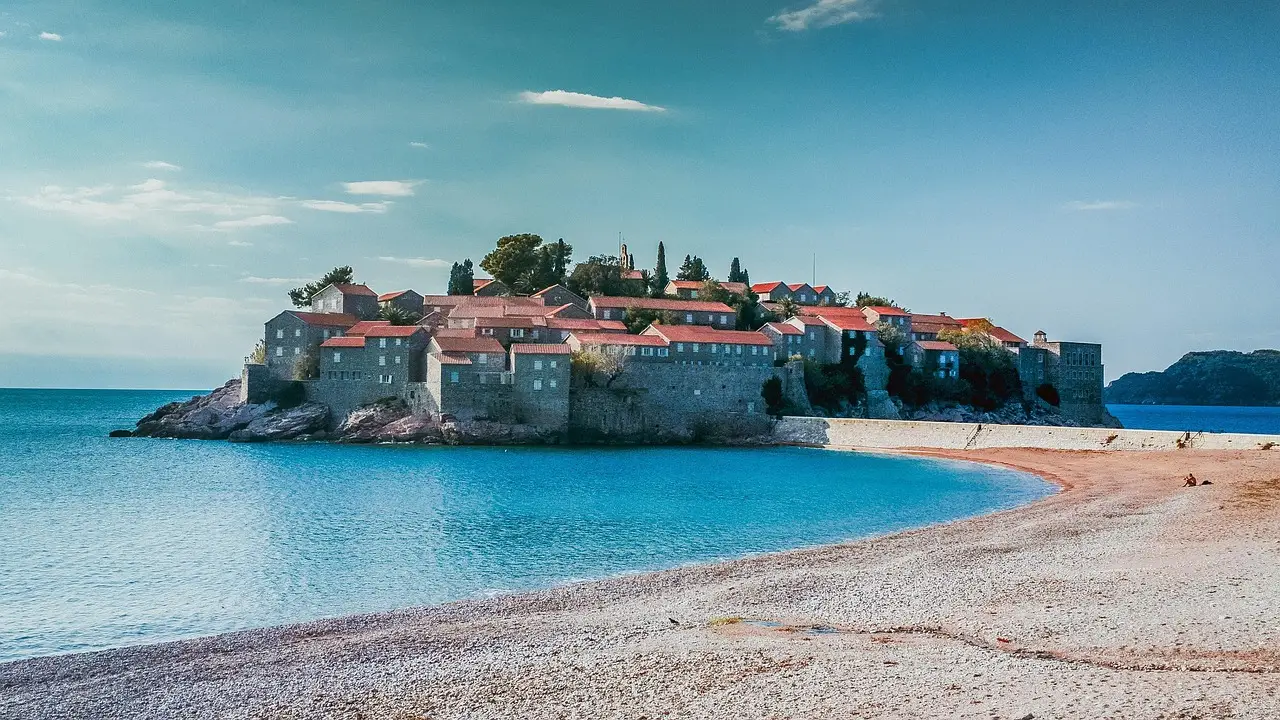
Albanian state prosecutors suspect the $130 million coastal parcel behind Jared Kushner's luxury resort project was "illegally acquired through forgery," according to court documents reviewed by NPR. The finding puts the White House-linked development directly in the path of a criminal investigation into falsified land titles on Albania's southern coast.
What exactly did prosecutors find?
The Albanian state prosecutor (the country's top criminal investigative authority) is examining the 300-acre parcel at Hidrovor Beach near Zvernec that a company working for Kushner purchased in April for more than $130 million. In court filings, prosecutors describe the land as "suspected of having been illegally acquired through forgery."
Kushner's side disputes that framing. In a prior statement on his website, Kushner said his partnership bought the land "from a private party in a private transaction" and that "Title was reviewed by counsel and verified." A spokesman for Kushner did not respond to a request for comment. The seller, Artur Shehu, also did not respond and has previously denied wrongdoing.
Who is Artur Shehu?
Shehu, 60, is a U.S. citizen living in a Miami Beach villa. Albanian prosecutors allege that in the 1990s he belonged to a Vlore crime syndicate that smuggled drugs and migrants into Europe. He fled Albania in 1999 after what police describe as a shootout with a rival gang, received asylum in the United States in 2001, and later citizenship.
His associate in Vlore, Pellumb Petritaj, has twice been convicted of falsifying land documents on Shehu's behalf. In 2018, Petritaj served three years in prison for forging land titles. On Nov. 18, a court sentenced him to another seven years for falsifying documents tied to $17 million worth of oceanfront property in Vlore. Last week, that court ordered the land confiscated from Shehu — though it does not include the Kushner parcel.
What does the forgery look like?
Kujtim Cakrani, Shehu's former lawyer, says he dropped Shehu as a client after discovering the alleged scheme. He says Shehu's associates, acting under powers of attorney, forged an inheritance certificate to shift ownership from the brother of Shehu's grandfather to Shehu's grandfather himself, then down to Artur Shehu. "I could no longer continue representing him because of the seriousness of the matter," Cakrani said. "It is impossible for me, with these documents that he has, to defend him." Cakrani now represents 30 of Shehu's relatives, who he claims are the rightful owners. Albanian prosecutors have put Shehu under investigation and frozen his bank accounts.
Do villagers have their own claims?
They do, and they are separate from the relatives' claim. Gentian Mocka says his family owned the beach strip and wetland since Ottoman times, and he holds land titles that appear to prove it. Albania's communist government seized all private land after World War II. After communism fell in 1991, families like his began reclaiming property — and found better-connected claimants ahead of them. "This land here belonged to my family for centuries," Mocka said.
In Zvernec, a village of a couple hundred residents, pensioners Minella Konomi and Natasha Kota learned two decades ago that Shehu had acquired their farmland. They sued to reclaim it, a fight that intensified in April when Shehu sold the 300-acre parcel — including what they say is their land — to a company developing the resort for Kushner. "There wasn't a single soul of that family living here, going back to the Ottoman times," Kota said. "But we've heard stories about him, and we're very scared of him."
The eventual buyer chain ends with Moutaz and Ramez Al-Khayyat, Syrian-born Qatari billionaire brothers and Kushner's financial partners, who bought the land from Shehu last April.
Why is this a national crisis?
Land law in Albania is a mess by design. Roden Hoxha, an Albanian real estate law expert, says decades of Stalinist collectivization erased private ownership, and the post-1991 restitution became "a land grab free-for-all." "It was basically chaos," Hoxha said. "People started claiming land wherever they threw a stone. It was basically the Albanian version of the U.S.' claiming of the West." Wealthy speculators exploited that chaos; well-connected operators like Shehu claimed land aggressively, while families farmed it for generations. "But now that Kushner is in it," Hoxha said, "everybody is freaking out."
Since May 31, protesters have marched daily in Tirana demanding Prime Minister Edi Rama's resignation. Rama has vowed to crack down harder on the increasingly violent demonstrations and insists the resort proceeds as planned. His spokesperson, Elona Sinaj, said: "If the seller does not have legitimate ownership of the property, the money will remain within the Republic of Albania, and certainly it will be used for anyone who proves that his claim over the property is grounded."
Could the project actually stop?
An ongoing investigation by the state prosecutor into forged land titles could halt it, and an Albanian court will likely decide who owns the land. The project — a five-star "ecotourism" resort also covering the uninhabited island of Sazan, a former military outpost still dotted with land mine warnings — has its local supporters. Tour operator Sherif Durmishaj, who boats visitors past foxholes on Sazan, backs it. "I support the Kushner project because it's going to be ecologically sustainable and it will set a good benchmark for future projects," he said. "We are a small country, and Kushner and Trump are very big names."
Is Washington paying attention?
Yes. Maryland Democratic Rep. Jamie Raskin, expected to chair the House Judiciary Committee when the new Congress is sworn in in January, says Kushner's Albania deal is one of several Kushner-backed ventures prompting investigative inquiries, with subpoenas possible. "This is an individual in the Trump family who has essentially been two-timing on the American people," Raskin said, accusing Kushner of mixing foreign policy with private dealmaking. "American foreign policy has never seen anything like that before."
For practitioners, the lesson is straightforward: title insurance in post-communist jurisdictions means nothing without forensic scrutiny of the restitution chain, and a seller's clean criminal record can matter more than the notary's stamp.
via feeds.npr.org (Source)
More from Sophie Lindqvist
Show full bio
News editor covering people, launches and day-to-day practice in International law and legal practice at Global Law Wire.
382 articles
Also before the court
- Mallorca Couple Arrested Over Alleged €23 Million German Tax Fraud
- Tin Price Surge to $58,000 Fuels Illegal Amazon Mining, Prosecutors Probe Swiss, US Firms
- German Public Prosecutor Opens Probe Into Berlin's 'Russia House'
- DOJ indicts Igor D'iu on four counts in alleged Palo Alto spying case
- US Sells First Pacific Deep-Sea Mining Leases for $6M Despite Court Loss