Law report No. GLW-1964 · filed November 17, 2026
Regulation & EnforcementReported case
US Closes Remote-Access Loophole in China AI Chip Controls
BIS interim final rule of November 17, 2026 extends US chip export controls to remotely rented computing power, targeting Chinese access via third-country data centers.
By Amara Osei3 min read676 words
Holding
- BIS issued an interim final rule on November 17, 2026 targeting remote access to advanced US chips through third-country data centers.
- New license requirements apply to data centers serving companies headquartered in China, Macau, or other covered countries of concern.
- Commerce and Justice confirmed the Megaspeed investigation remains active in a joint statement dated November 17, 2026.
- Controls extend to chip shipments through Singapore, Malaysia, Thailand, Indonesia, and Brazil, flagged for elevated diversion risk.
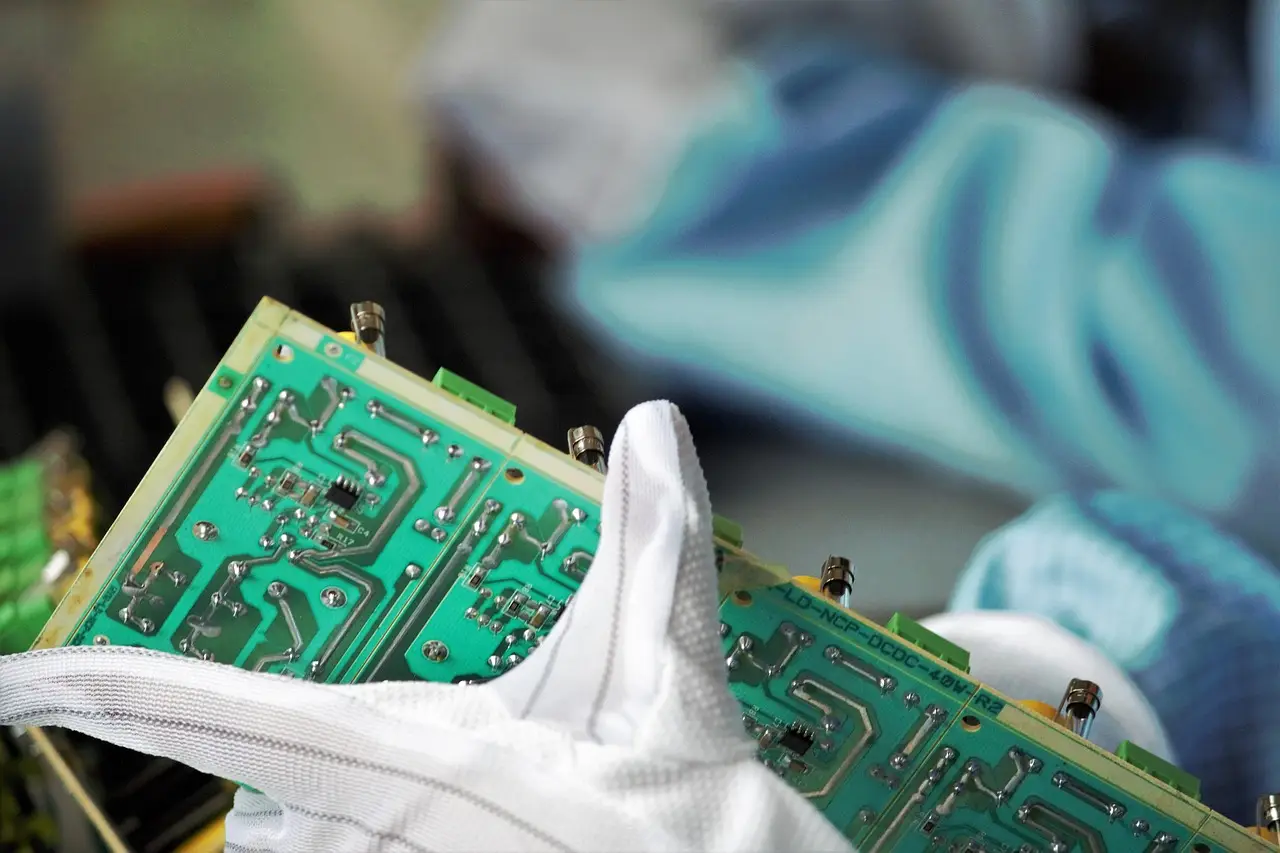
The US Commerce Department's Bureau of Industry and Security has issued an interim final rule closing the remote-access loophole that let Chinese companies rent advanced American computing power through data centers in third countries. The rule, announced November 17, 2026, extends export controls from physical chips to the computing power those chips produce.
What did the rule decide, and who decided it?
The Bureau of Industry and Security (BIS), acting at the direction of the Treasury Department and the National Security Council, published the interim final rule addressing remote access to what the agency calls American "super-intelligence technology." The measure aligns controls on remote computing access with the restrictions already imposed on physical shipments of sensitive US technology.
The operative logic is simple. If the hardware cannot legally enter China, a Chinese firm could previously rent the computing power elsewhere and send the results home. Not anymore.
What does the rule change?
Under the new framework:
- Overseas data centers can face new license requirements when they supply large amounts of advanced computing power to companies headquartered in China, Macau, or other covered countries of concern.
- Chip exporters, foreign manufacturers, and data-center operators must examine their customers, including indirect ownership and control, so a shell company cannot conceal the real user.
- Companies must examine ownership links that could lead back to restricted users in China.
The rule is focused rather than a blanket ban on ordinary cloud services. Commercial recommendation systems used by retailers and social platforms receive different treatment, because they do not present the same threat as training frontier AI systems. The gap between possessing a chip and renting its output is now closed. A Chinese company no longer gets a free pass merely because the server sits beyond China's borders while the processing power arrives remotely.
Why Southeast Asia matters
The Associated Press reports that the controls also address advanced-chip shipments to data-center hubs in Singapore, Malaysia, Thailand, Indonesia, and Brazil, where officials see higher-than-normal diversion risk. Those destinations are not accused wholesale of wrongdoing. The licensing step simply gives American officials a closer look at who will control the hardware and who will receive the computing power.
The rule attacks three vulnerabilities at once: China's remote access, chip smuggling through Southeast Asia, and weak controls around advanced American technology.
What about the Megaspeed investigation?
The rule arrives as the Commerce and Justice departments publicly confirm that the investigation surrounding Singapore-based computing company Megaspeed remains active. The agencies issued a joint statement on the matter on November 17, 2026.
The timing is not accidental. The administration has faced pressure to explain how companies tied to China may have gained access to enormous amounts of Nvidia-powered computing capacity through overseas intermediaries.
How did Washington react?
Senator Jim Banks welcomed the measure on November 16, 2026, crediting Treasury Secretary Scott Bessent and Secretary of State Marco Rubio, "who spearheaded important new chip restrictions on China." The new rules, he said, will "cut China's remote access to advanced chips through data centers around the world" and "combat chip smuggling, particularly through Southeast Asia."
Senator Dave McCormick called the rule "a good first step by Commerce to keep our most advanced chip technology out of China's hands." He added that "Congress can build on this effort through legislation that gives the administration the tools it needs to close the remote access loophole for good."
What does this mean for practitioners?
Export counsel, data-center operators, and chip manufacturers now carry a fresh diligence burden. Every customer relationship involving large-scale advanced computing must be screened for indirect ownership and control reaching back to China or Macau. Licensing exposure follows the computing power, not the silicon. Expect lobbying from firms that profit from selling access to these systems, and complaints that the rules complicate international business. American technology may lead the world; through shell companies and remote logins, it will no longer be handed over. Congress, meanwhile, holds the option of legislating the closure permanently.
via 100percentfedup.com (Source)
More from Amara Osei
Show full bio
Senior reporter covering people, launches and day-to-day practice in International law and legal practice at Global Law Wire.
327 articles
Also before the court
- Commerce Cracks Down on AI Chip Loopholes as Trump Cabinet Splits
- Commerce Adds 90-Day Deadline for AI Chip Exports
- U.S. Closes Remote-Access Loophole on AI Chips After Nvidia Scandal
- China vows 'necessary measures' as US tightens AI chip access
- Microsoft Fights Reported FCC Plan to Ban Chinese Data Center Parts