Law report No. GLW-4502 · filed November 18, 2026
Criminal JusticeReported case
US Charges Irish Man With Destroying $60 Million Air Force Jet
Manhattan prosecutors charged Daithi O'Corrain with destroying a $60 million C-130H at Shannon Airport after an alleged hours-long rampage the FBI calls premeditated sabotage.
By Grace Kim4 min read729 words
Holding
- Daithi O'Corrain, 47, was charged on Tuesday in the SDNY with one count of destruction of government property, carrying up to 10 years in prison.
- The April 11, 2026 incident at Shannon Airport rendered a $60 million C-130H permanently inoperable, prosecutors say.
- The indictment alleges O'Corrain cut wire bundles and hydraulic lines, crimped a liquid oxygen line and destroyed every cockpit gauge.
- FBI Assistant Director James C. Barnacle, Jr. said the incident 'was not an act of spontaneous vandalism.'
- The case follows at least three security breaches at Shannon Airport over the past two years.
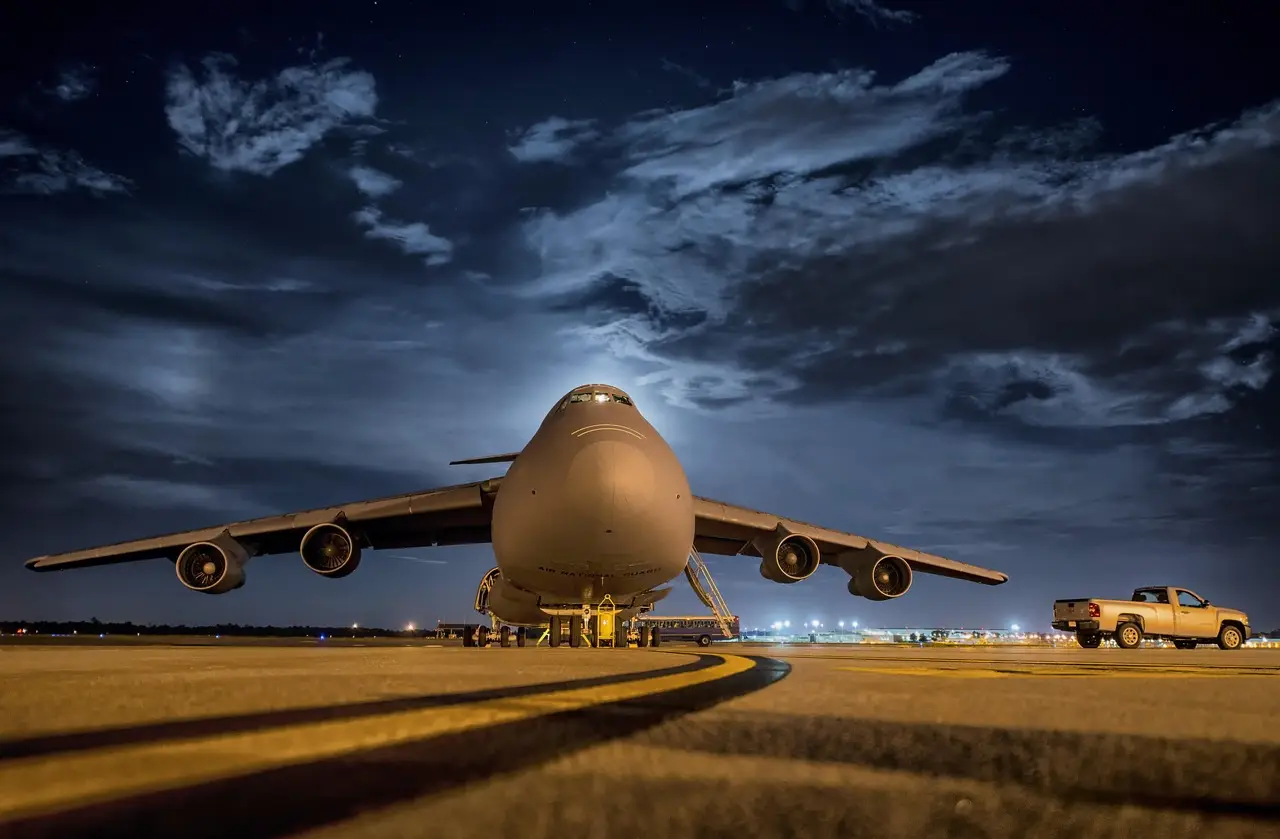
Federal prosecutors in Manhattan charged an Irish man on Tuesday with destroying a $60 million U.S. Air Force C-130H aircraft, leaving the plane permanently grounded.
The U.S. Attorney's Office for the Southern District of New York unsealed a 12-page indictment charging Daithi O'Corrain, 47, also known as David Curran, with one count of destruction of government property. The charge carries up to 10 years in prison. The alleged crime occurred on April 11, 2026, at Shannon Airport in County Clare, Ireland.
What does the indictment allege?
Prosecutors say O'Corrain breached the airport's security perimeter at 4:39 a.m. that morning. He then broke into the cockpit of the C-130H and barricaded himself inside. Over roughly five hours, according to the indictment, he systematically wrecked the aircraft's interior.
The government's filing sets out the alleged damage in detail. Prosecutors wrote that O'Corrain "cut wire bundles and hydraulic lines within the aircraft, crimped a liquid oxygen line within the aircraft, destroyed every gauge in the aircraft's cockpit and punctured the aircraft's air ducts."
Prosecutors also say he brought multiple capsules of gallium, a highly corrosive metal that in liquid form can eat through aluminum and corrode steel. The indictment states the sabotage risked "a massive explosion" that could have injured service members nearby.
The flight crew returned to the plane around five hours after the break-in. On being discovered, O'Corrain escaped through the aircraft's roof, smashing it with an axe and causing further damage. Local authorities arrested him at the scene.
The alleged damage is total. "The damage inflicted rendered the aircraft inoperable, and based on the extent of the damage, the aircraft — worth approximately $60 million — will not return to active flight status," the government claims.
Takeaway: one count, one aircraft, one total write-off.
Was the attack planned?
The FBI says yes, emphatically. FBI Assistant Director in Charge James C. Barnacle, Jr. said in a statement Tuesday that the incident "was not an act of spontaneous vandalism."
"The defendant allegedly spent months researching the aircraft, acquiring tools and materials, and preparing to maximize the destruction he could inflict," Barnacle said. "The FBI and our law enforcement partners will continue to pursue anyone who targets U.S. military assets, regardless of where those attacks occur."
Prosecutors detail a preparation trail in the indictment. They say O'Corrain:
- conducted online searches about the C-130H aircraft's construction;
- acquired equipment used in the attack;
- searched for weak points in Shannon Airport's security perimeter;
- emailed an individual previously arrested in connection with an earlier attack on U.S. military aircraft at the same airport.
The indictment does not address motive. A crowdfunding campaign run on O'Corrain's behalf described the act as resistance to "the unwanted presence of the U.S. military in Ireland in the face of their illegal war [and] support of Israel's genocide." That language comes from his supporters, not from prosecutors or the court.
Takeaway: the government's theory rests on premeditation, not motive.
What happens next?
U.S. Attorney Jamie McDonald for the Southern District of New York framed the case as a deterrent. "These charges send a clear and powerful message that attacks on U.S. military assets — and thus our national security — will not be tolerated," McDonald said in a statement. "This indictment holds the defendant accountable for his serious crime and serves as a warning to others, wherever they may be, considering similar criminal activity."
O'Corrain also faces local charges in Ireland, where he was detained after his arrest. He has reportedly secured bail on accusations of trespassing and causing criminal damage there. The path to any U.S. proceeding would run through extradition.
Prosecutors describe the incident as the most serious in a series of security breaches at Shannon Airport over the past two years:
- Last May, Irish authorities arrested three people who drove a van through the airport's perimeter fence.
- Later that month, three other people sprayed a U.S. military aircraft with paint.
- Last November, three individuals again breached the perimeter in a van, drove to a restricted area where an Air Force plane was parked, and were detained by airport security.
Takeaway: prosecutors are treating Shannon as a recurring target, and this case as the benchmark response.
via chuffed.org (Original)
More from Grace Kim
Show full bio
Correspondent covering companies, deals and strategy in International law and legal practice at Global Law Wire.
325 articles
Also before the court
- Superseding Indictment Claims Terror Plot Was Run From Brooklyn Jail Cell
- Manhattan Indictment: Detainee Allegedly Directed Terror Plot From His Cell
- Three Men Charged in $129M AI CEO Impersonation Scheme
- SDNY Indicts Three Men in $129 Million AI CEO Voice-Fraud Scheme
- New York Indictment Accuses Iran-Backed Trio of Plotting Attack on RAF Fairford