Law report No. GLW-6148 · filed September 29, 2026
Courts & TribunalsReported case
UK Newspapers Labelled Top Court's Climate Ruling 'Lawfare', Study Finds
University of Reading research finds UK newspapers accused the Supreme Court's climate ruling of being 'lawfare', framing judicial action as political overreach.
By Amara Osei3 min read592 words
Holding
- University of Reading research examined UK newspaper coverage of the Supreme Court's climate ruling.
- UK papers described the ruling as 'lawfare', framing it as improper judicial intervention.
- The study documents press framing without endorsing it, highlighting risks for how climate litigation is publicly understood.
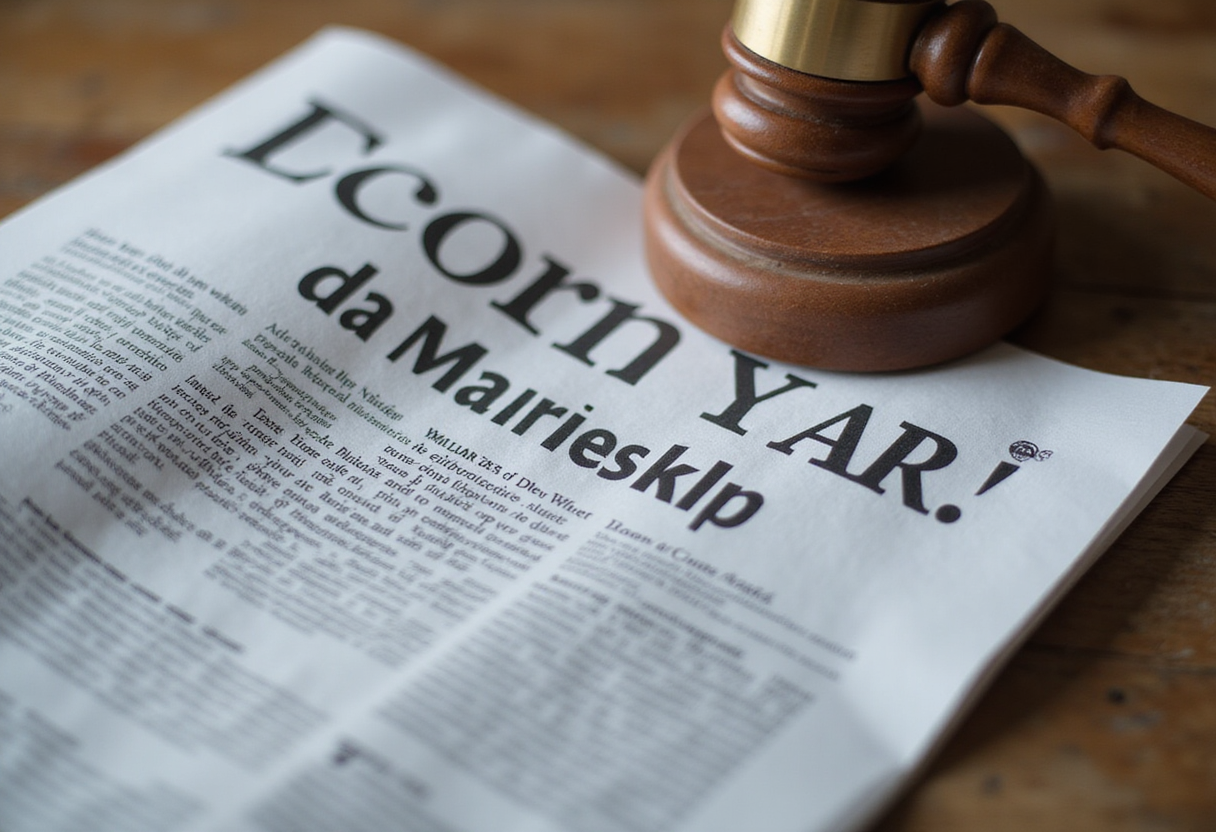
UK newspapers responded to the country's highest court's climate ruling with accusations of "lawfare," according to research from the University of Reading.
The study examined how the British press covered the decision and found that sections of the national media framed the judgment as an improper judicial intervention in political matters. The term "lawfare" — typically used to describe the weaponisation of legal process against an opponent — appeared in coverage as newspapers characterised the court's climate ruling as overreach by judges into territory reserved for elected government.
The University of Reading's findings shine a light on the heated media environment that surrounded the judgment. Rather than engaging with the legal reasoning of the decision, several UK papers treated the ruling primarily through a political lens. The framing positioned the courts not as neutral adjudicators of legal questions but as active participants in a contested policy debate over climate change and the reach of environmental regulation.
Why the framing matters
For practitioners, the research carries practical significance beyond the newsroom. Media characterisation of judicial decisions as "lawfare" can shape the political context in which future climate litigation proceeds. Judges, litigants and regulators do not operate in isolation from public discourse, and sustained press hostility toward a judgment may influence how subsequent claims are brought, defended and reported.
The study also raises questions about how the public understands the role of courts in environmental matters. When newspapers describe a ruling in martial terms — as an act of warfare carried out through legal means — they risk obscuring the ordinary judicial function at stake: the court's task of applying the law to the facts before it. That task does not change because the subject matter is politically charged.
Climate litigation has become an increasingly prominent feature of the UK legal landscape, with campaigners, companies and public bodies turning to the courts to test the boundaries of environmental obligations. The Reading research suggests that each high-profile ruling now arrives within a polarised media conversation, in which the legitimacy of judicial action itself is contested.
The wider context
The accusation of "lawfare" is not unique to climate cases. The term has circulated in coverage of litigation across many fields, deployed by commentators who contend that courts are being used to achieve outcomes that could not be secured through the ballot box. Its appearance in UK press treatment of the Supreme Court's climate ruling places the judgment within that broader argument about the separation of powers.
The University of Reading's analysis documents the framing but does not endorse it. The research records what newspapers said and how they characterised the court's work. For lawyers and legal observers, the value of the study lies in that documentation: it provides a record of how a decision from the UK's highest court was received in the national press, at a moment when trust in institutions and the proper role of the judiciary are subjects of sustained public debate.
The findings will interest solicitors, barristers and in-house counsel who practise in environmental and public law. They offer a reminder that significant rulings are communicated to the public through media frames that may bear little resemblance to the judgment itself. Advising clients on litigation risk increasingly requires an awareness of that reputational dimension — not only what a court decides, but how the decision will be portrayed.
The University of Reading research adds to a growing body of academic work examining the intersection of climate litigation, media coverage and public perception in the United Kingdom.
via GN International Courts (Source)
More from Amara Osei
Show full bio
Senior reporter covering industry trends and analytics at Global Law Wire.
186 articles
Also before the court
- Climate change ruling 'could cost Britain £4tn', Telegraph reports
- Climate Strategy Shifts From Parliaments to Courtrooms, eNCA Reports
- Climate cases surge worldwide as courts take up emissions fights
- New Zealand Parliament Passes Law Blocking Climate Claims Against Companies
- Bulgarian Parliament Adopts Anti-SLAPP Law Shielding Journalists