Law report No. GLW-9095 · filed October 15, 2026
Regulation & EnforcementReported case
Thousands of German Gamblers Could Sue to Recover Losses
Thousands of German gamblers could sue to recover losses from unlicensed games, as courts void gambling contracts and order refunds.
By Marcus Bennett2 min read420 words
Holding
- Thousands of gamblers in Germany could sue to recover lost money, DW.com reports.
- German courts have ruled gambling contracts without a valid license can be void.
- Germany's Interstate Treaty on Gambling came into force in 2021, restructuring the market.
- Refund claims depend on documentation and limitation periods.
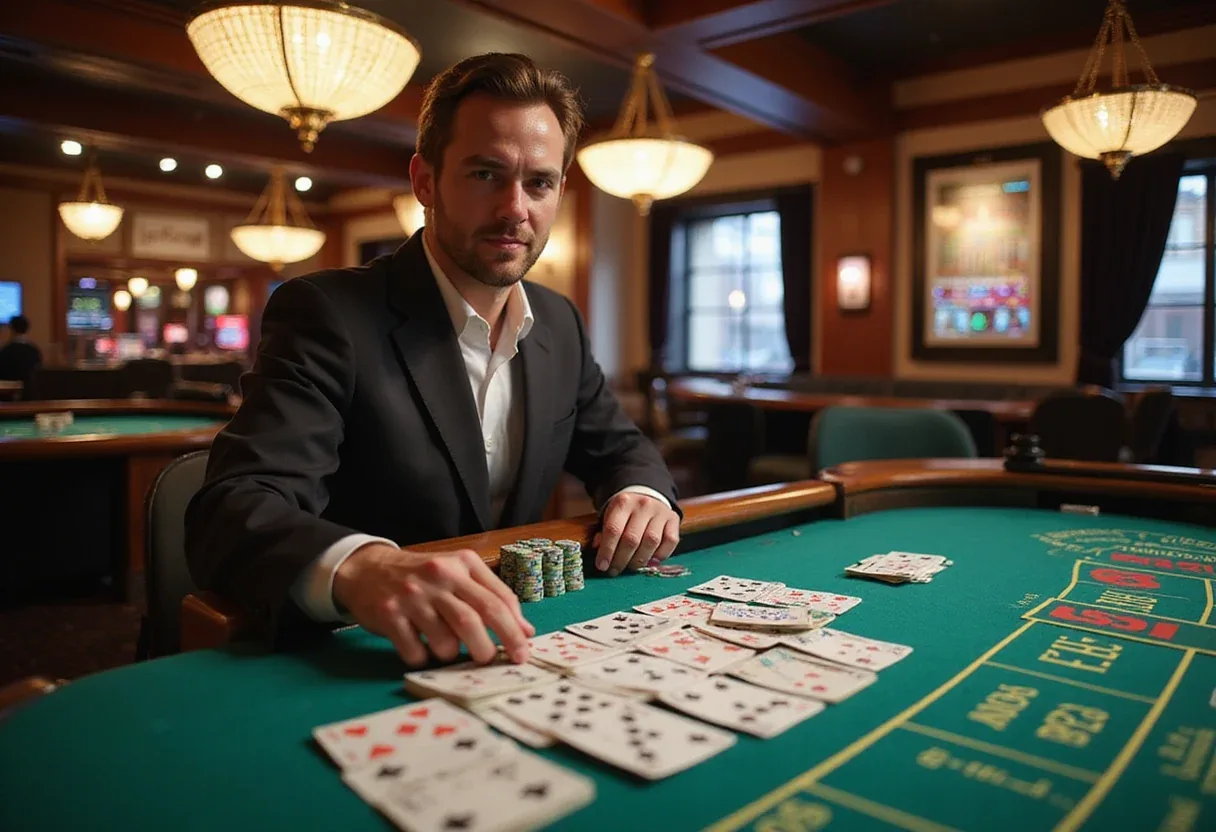
Thousands of gamblers in Germany could soon sue to reclaim money they lost, according to a report by DW.com. The finding turns on the legal status of online and casino gambling offers in Germany. Players who lost money on games operated outside the permitted framework may have a claim for repayment.
Who can claim their money back?
The reporting centers on gamblers who wagered on offerings that lacked a valid German license. German courts have repeatedly held in recent years that gambling contracts concluded without the required permit can be void. Where a contract is void, the operator must generally return the money paid in. That logic has already produced judgments ordering online casinos to refund individual players.
DW.com reports that the number of potential claimants runs into the thousands. Each case turns on its own facts. The decisive questions are when the bets were placed, whether the operator held a license, and which court has jurisdiction.
What does this mean for practitioners?
For lawyers, the development signals a growing mass-claims market in gambling restitution. Claimants will need to document their losses, including account statements and deposit records. Operators, for their part, will likely contest the voidness of older contracts and argue that players acted in bad faith by knowingly gambling. German courts have split on that defense. Some judges have denied refunds where players understood the games were unauthorized; others have granted them in full. The practical consequence is case-by-case litigation rather than a single collective settlement, with outcomes varying by court and by period in which the losses occurred.
Why now?
Germany restructured its gambling market with the Interstate Treaty on Gambling, which came into force in 2021 and legalized online casinos under strict conditions. Losses incurred before that framework, or with operators that never obtained a license, sit on weaker contractual ground. That timeline gives many former players a window to bring claims. The DW.com report suggests law firms are already preparing test cases.
What should affected gamblers do?
Anyone considering a claim should gather records of deposits, wagers, and account closures. Deadlines matter: German limitation periods can bar older claims. Independent consumer advice centers can assess whether a specific case is worth pursuing. Thousands of Germans could recover losses running into four- and five-figure sums if courts follow the existing line of cases.
The stakes for the industry are considerable. Refund liability across thousands of claimants could reach significant totals for operators active in the German market before liberalization.
via GN EU Courts (Source)
More from Marcus Bennett
Show full bio
Market editor covering regulation, policy and their impact on International law and legal practice at Global Law Wire.
243 articles
Also before the court
- DW.com Headline: German Gamblers 'Could Claim Losses Back'
- Bangladesh Parliament Passes Gambling Prevention Bill, Repealing 1867 Colonial Law
- EU Top Court Backs German Football Association's Agent Rules
- Zapp Cannot Sue Manager to Recover German Antitrust Fine, EU Court Opinion Says
- Prediction Market Scrutiny Expands to the Municipal Level