Law report No. GLW-7797 · filed October 10, 2026
Antitrust & CompetitionReported case
Takeda Hit With $885 Million Verdict in Pay-for-Delay Antitrust Case
Takeda Pharmaceutical must pay $885 million after a jury returned a verdict in a pay-for-delay antitrust case, Fierce Pharma reported. The case targeted reverse-payment patent settlements used to delay generic competition.
By Priya Raman3 min read616 words
Holding
- Verdict amount: $885 million against Takeda Pharmaceutical
- Statutory trebling could raise exposure to roughly $2.66 billion under Section 4 of the Clayton Act
- Case centers on reverse-payment patent settlements
- Precedent framework: Supreme Court's 2013 ruling in FTC v. Actavis
- Court, jurisdiction, and verdict date not specified in the available source material
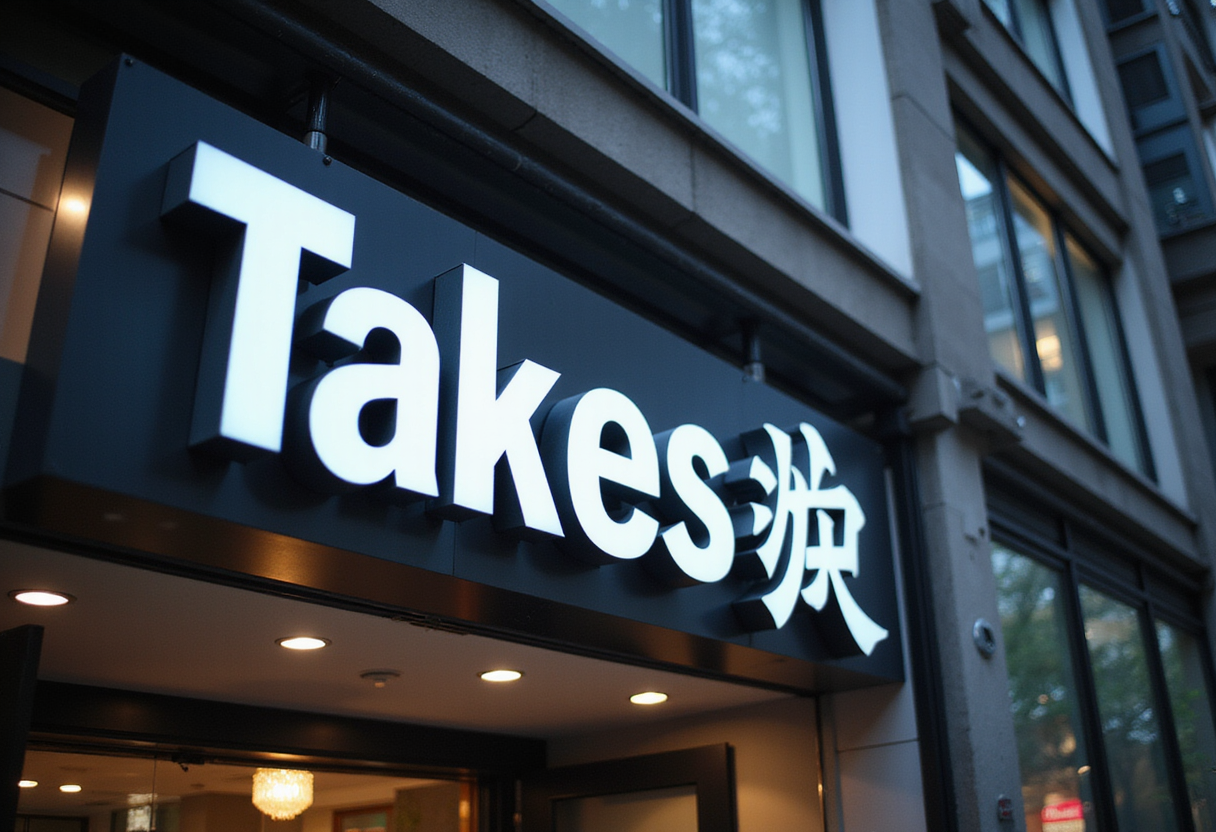
Takeda Pharmaceutical must pay $885 million after a jury returned a verdict against the company in a pay-for-delay antitrust case, Fierce Pharma reported. The publicly traded Japanese drugmaker now sits among defendants hit with substantial awards in the long-running federal fight over reverse-payment patent settlements.
The case targets the practice in which brand-name manufacturers compensate would-be generic rivals to defer the launch of lower-cost versions of blockbuster drugs. Pay-for-delay — also called "reverse payment" — deals have faced heightened antitrust scrutiny since the U.S. Supreme Court's 2013 decision in FTC v. Actavis, which held that such arrangements warrant rule-of-reason review even when the underlying patent is valid.
Why pay-for-delay keeps landing in court
Under Actavis, courts evaluate whether the payment from the brand to the generic reflects no more than the legitimate scope of the patent's exclusionary power. Settlements that include compensation beyond lost litigation costs and that aim purely at delaying entry invite treble damages under Section 4 of the Clayton Act. If the court applies statutory trebling to the Takeda figure, the company could face total exposure approaching $2.66 billion.
The Takeda outcome reflects a broader pattern. Federal prosecutors, the Federal Trade Commission, and private plaintiffs' bars have continued to extract nine-figure awards from manufacturers over the past decade, particularly where internal emails and settlement term sheets reveal the parties structured the deal around market allocation rather than genuine patent strength. The FTC has filed amicus briefs in dozens of pay-for-delay matters and has secured its own enforcement wins against several major pharmaceutical companies.
What defense counsel should take away
Patent litigators advising brand-name manufacturers should treat the Takeda outcome as a planning signal. Settlements that include any payment to a generic challenger — even a side deal phrased as a licensing fee, supply agreement, or co-promotion — now face elevated litigation risk. Counsel negotiating these agreements should document the patent's strength, the projected litigation cost, and the legitimate pro-competitive justifications before committing.
Takeda, headquartered in Osaka, is one of the world's largest pharmaceutical companies, with a drug portfolio spanning oncology, gastroenterology, rare diseases, and neurology. A verdict of this size against such a major manufacturer will command close attention from in-house teams reviewing pending settlement templates industry-wide.
What plaintiffs' firms will likely do next
Trial lawyers handling similar claims will cite the Takeda figure in opening statements and demand letters to other defendants facing pending pay-for-delay actions. A jury award of this scale signals that lay factfinders remain willing to impose substantial damages on conduct jurors perceive as protecting monopoly profits at the expense of patients and payors.
Appeal outlook and open questions
A defendant in Takeda's position will typically move for judgment as a matter of law or a new trial, then appeal on sufficiency-of-the-evidence and jury-instruction grounds. Reverse-payment cases often turn on how the court characterizes the settlement — whether it constitutes a legitimate patent compromise or an unlawful market-allocation deal. Appellate review in similar matters has produced mixed outcomes, leaving defendants substantial room to challenge large jury awards.
Fierce Pharma's available headline confirms the dollar figure, the defendant, and the pay-for-delay characterization, but the summary does not specify the court, the case caption, the verdict date, or the product at issue. Practitioners monitoring the matter will want the docket number, the district, the breakdown between compensatory and punitive damages, and whether statutory trebling was applied. Those details will shape both the precedent value of the ruling and the calibration of Takeda's post-trial motion strategy.
via GN Antitrust (Source)
More from Priya Raman
Show full bio
Staff writer covering consumer brands and retail at Global Law Wire.
187 articles
Also before the court
- Takeda Books $2.5 Billion Legal Charge After Pay-for-Delay Verdict
- US Jury Finds Takeda Ran Antitrust Scheme to Delay Generic Drug
- Takeda Braces for $2.5 Billion Hit After Amitiza Antitrust Verdict
- Takeda Hit With $885 Million Verdict Over Patent Strategy
- Takeda Antitrust Verdict Hailed as 'Big Win' in Generic-Drug Fight