Law report No. GLW-4126 · filed November 1, 2026
Regulation & EnforcementReported case
South Korea Fines Apple $15 Million Over App Store Payments
The Korea Media and Communications Commission fined Apple KRW 20.81 billion and ordered App Store payment and review reforms under the 2021 telecom law.
By Amara Osei3 min read617 words
Holding
- On October 28, 2026, the KMCC fined Apple KRW 20.81 billion (US$15 million) and ordered App Store changes.
- The decision is the first major enforcement under South Korea's 2021 Telecommunications Business Act amendments.
- Regulators called Apple's 26% alternative billing commission 'unreasonable' and its integrated payments 'coercive'.
- The ruling covers commission practices dating from 2015 to 2023.
- Apple says over 90% of App Store ecosystem revenue flows to third-party developers.
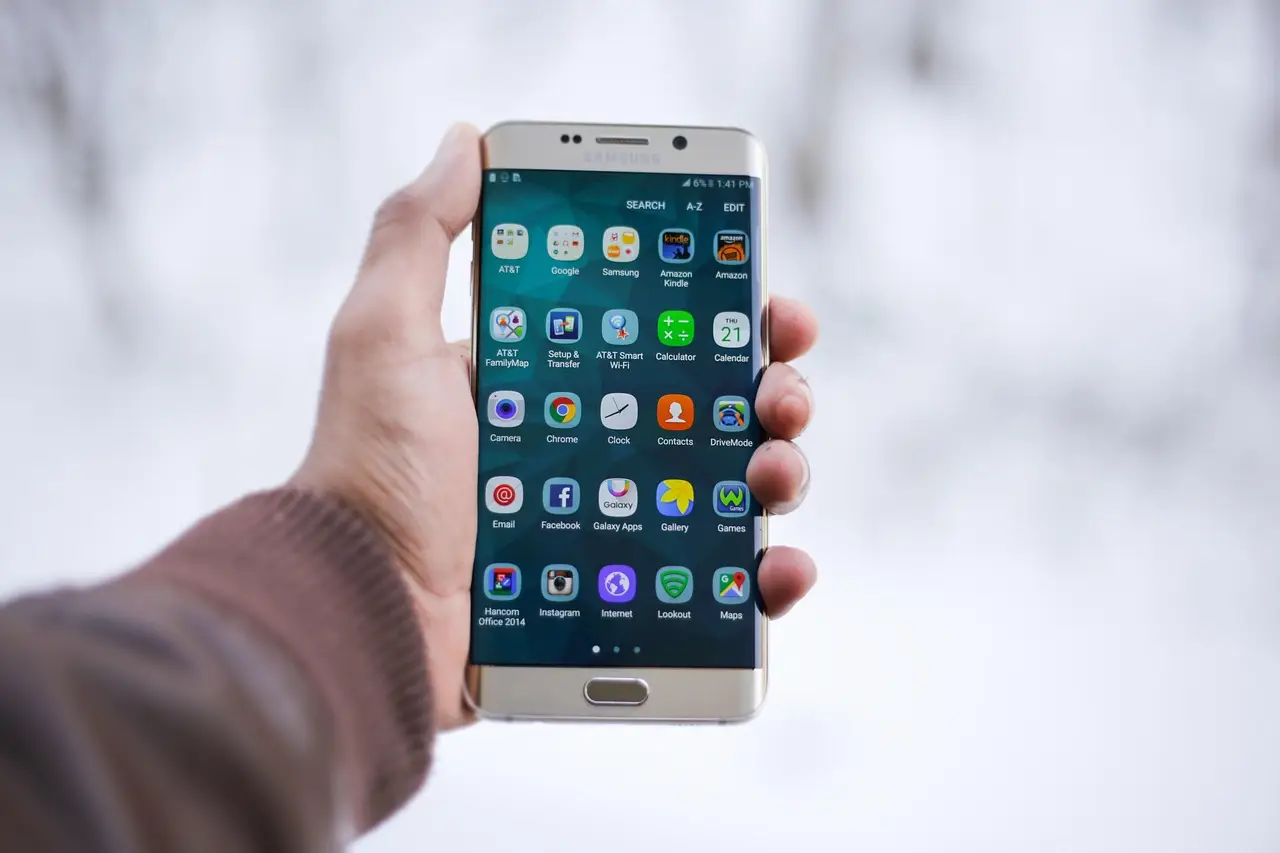
South Korea's media regulator fined Apple KRW 20.81 billion — roughly US$15 million — and ordered the company to restructure its App Store payment and app review practices. The Korea Media and Communications Commission (KMCC) issued the decision on October 28, 2026, in the first major enforcement action under the 2021 amendments to the country's Telecommunications Business Act.
The ruling targets three distinct areas of Apple's Korean operations: payment system restrictions, app review procedures, and historical commission calculations. For a company that reported global services revenue in the tens of billions of dollars annually, the fine itself is modest — less than a day of App Store income. The compliance orders, however, cut deeper.
What did the commission decide on payments?
At the centre of the ruling sits Apple's refusal to permit unmonitored external payment links and alternative billing systems without oversight. Regulators characterised Apple's integrated payments structure as "coercive" and demanded broader access for external payment processors.
The commission also examined Apple's current compromise: developers in South Korea may use alternative billing at a reduced 26% commission. The KMCC labelled that structure "unreasonable." In practical terms, the regulator rejected the discount-with-conditions model and pressed for wider, less encumbered access to third-party payment rails.
Apple disputes the finding. Company representatives confirmed that Apple disagrees with the regulatory conclusions and is reviewing its options under South Korean law. Apple also noted that over 90% of App Store ecosystem revenue flows directly to third-party developers, and that it has consistently worked to support local creators.
How did app review procedures draw scrutiny?
The commission's second line of attack concerned Apple's review process for software approvals. The KMCC found that Apple "unfairly delayed" app approvals without providing sufficient feedback to developers.
Apple's defenders argue the review regime — a mix of human-led and automated checks — is an industry benchmark that keeps malware, scams and privacy-violating code off consumer devices. Critics of the ruling frame it as penalising a platform for maintaining strict vetting standards. The commission evidently weighs developer interests differently.
What about the historical commission calculations?
The enforcement action reaches back to accounting practices between 2015 and 2023. Regulators claimed local Korean developers were subject to different tax-inclusive commission bases than their foreign peers during that period.
Apple says it has long since resolved those accounting alignment issues. The KMCC nonetheless relied on the past practices to justify retroactive penalties — a calculation that rewards patient record-keeping on both sides.
Who is Kim Jong-cheol and what comes next?
KMCC Chairperson Kim Jong-cheol framed the sanctions as a step toward a "cooperative ecosystem" between platform operators and domestic developers. The action forms part of a broader regulatory campaign: the commission has targeted Google alongside Apple in parallel proceedings.
Industry analysts quoted in coverage of the decision suggest South Korean domestic technology firms benefit from nationalist economic policies, and that regulatory bodies are being used to extract concessions from foreign digital platforms. Supporters of the enforcement counter that the 2021 amendments exist precisely to open closed ecosystems.
What does this mean for practitioners?
For antitrust and technology counsel, the decision signals that Korea's 2021 Telecommunications Business Act amendments now carry real enforcement teeth — and that retroactive liability reaching back to 2015 is on the table. Companies operating app marketplaces in Korea should audit their commission structures, tax-inclusive billing bases and app review timelines, and prepare remedies that go beyond discounted alternative billing. Apple's next move, an appeal under South Korean law, will shape the template. The message from Seoul is plain: the platform's rules are no longer the platform's alone.
via i0.wp.com (Original)
More from Amara Osei
Show full bio
Senior reporter covering people, launches and day-to-day practice in International law and legal practice at Global Law Wire.
285 articles
Also before the court
- Coupang Refuses to Cooperate With Antitrust Probe, Lawmakers Say
- U.K. Regulator Fines Virgin Media $38 Million for Repeat Competition Breach
- Germany Fines Amazon €59 Million for Abuse of Market Power
- EU General Court Rejects Apple's Challenge to Gatekeeper Status
- EU General Court Upholds Apple's Gatekeeper Designation