Law report · filed November 23, 2026
Criminal JusticeReported case
Sheinbaum Confirms U.S. Drones Helped Nail FBI Top-10 Fugitive
Mexican forces captured FBI Ten Most Wanted fugitive 'El Chapo Isidro' with U.S. drone support authorized under the National Security Act. Sheinbaum: no U.S. troops on Mexican soil.
By Sophie Lindqvist3 min read672 words
Holding
- Fausto Isidro Meza Flores, 'El Chapo Isidro,' was captured Friday night in Sinaloa in a three-phase operation that killed 4 military personnel and 16 cartel members.
- President Sheinbaum said Monday that U.S. drones and intelligence were authorized under Mexico's National Security Act, but U.S. forces do not conduct operations in Mexico.
- The FBI placed Meza Flores on its Ten Most Wanted list in February 2025, based on a 2019 superseding indictment.
- Defense Secretary General Ricardo Trevilla Trejo said the National Security Council approves drone requests specifying objective, area, flight path and aircraft type.
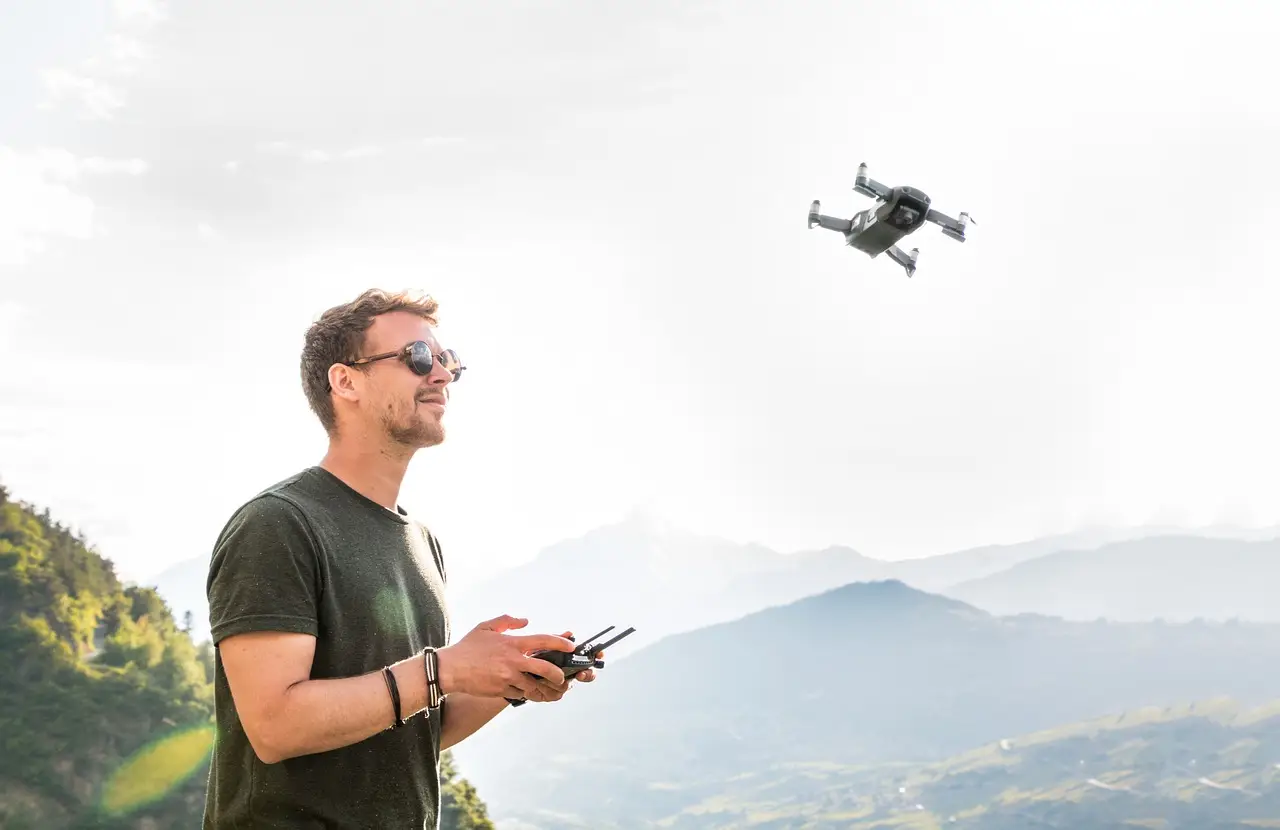
Mexican President Claudia Sheinbaum confirmed Monday that U.S. intelligence, including drones, helped Mexican federal forces capture accused cartel leader Fausto Isidro Meza Flores, known as "El Chapo Isidro," on Friday night in Sinaloa. She stressed one red line: U.S. forces do not operate on Mexican soil.
What exactly did the president say?
Sheinbaum told reporters that Mexico requests and authorizes U.S. drone use under the country's National Security Act. Drones and U.S. intelligence are permitted in operations against criminal organizations, she said, but U.S. troops themselves stay out.
"The activities of planning, execution, operation are carried out by the [Mexican] Armed Forces, the National Guard, the secretary of security, and we have support in intelligence," Sheinbaum said.
She was blunter about reported American ambitions. "They intended to operate with their Armed Forces in Mexico, to which we said no; they intended to have much more interference, even in planning operations, and we said no," she added, referring to U.S. armed forces on the ground.
How did the drone authorization work?
Mexican Secretary of National Defense General Ricardo Trevilla Trejo explained the mechanism on Monday. A week before the capture, the Secretariat of National Defense obtained intelligence that led to authorizing U.S. drones to locate Meza Flores in Sinaloa.
He laid out the legal process:
- A government agency — here, the Secretariat of National Defense — submits a request to the National Security Council.
- The request specifies the objective, the intended purpose, the areas surveyed, the flight path and the aircraft type.
- The security cabinet then meets and decides whether to approve it.
Trevilla Trejo said the authorizations comply with Mexican national security laws. He framed the drone use narrowly: "a matter of national security and not an act of war."
Who is El Chapo Isidro?
Meza Flores rose to power after the bloody split between the Beltrán Leyva brothers and Joaquín "El Chapo" Guzmán factions of the Sinaloa cartel, following Alfredo Beltrán Leyva's 2008 arrest. He absorbed the remnants of the Beltrán Leyva operations and built his own faction, the Meza-Flores Transnational Criminal Organization.
The FBI placed him on its Ten Most Wanted Fugitives list in February 2025. That listing stemmed from a 2019 superseding indictment (an updated indictment replacing an earlier one) charging him with drug trafficking and gun offenses. The U.S. Department of Justice says a Homeland Security Task Force investigation led to the arrest.
The operation itself ran in three phases, Friday night into Saturday morning. The toll: four military personnel and 16 organized criminal members killed.
What was the U.S. role?
U.S. Attorney General Todd Blanche called the arrest a "combined interagency effort" in a Saturday DOJ statement. The Homeland Security Task Force, he said, supported the "Mexican operation to remove a leader of one of the most dangerous drug cartels in Mexico."
Think of the division of labor as a scouting arrangement: American eyes in the sky, Mexican boots on the ground.
What happens next?
Analysts warn the capture could destabilize, not calm, the region. David Mora, senior Mexico analyst at the International Crisis Group, credited the government's readiness but flagged the risk of a power vacuum.
"The Mexican government has once again proven itself able to conduct high-risk, time-sensitive operations, using intelligence shared with U.S. authorities," Mora said. "Chapo Isidro's organization had a virtual hegemony in northern Sinaloa, with a strong hold over fentanyl production and trafficking. And this central role in the synthetic drug trade made him a top priority for the White House."
He noted the government appeared better prepared for immediate retaliation than during past operations, such as the killing of 'El Mencho.' But he pointed to the harder question: "Similar beheading operations have created power vacuums and thus more violence as internal cartel fighting spikes. Sinaloa already has major territorial disputes which could intensify. We'll learn in the weeks ahead if the Mexican authorities have plans in place to deal with this."
via insightcrime.org (Original)
More from Sophie Lindqvist
Show full bio
News editor covering people, launches and day-to-day practice in International law and legal practice at Global Law Wire.
382 articles
Also before the court
- Mexico Captures 'El Chapo Isidro,' FBI Most-Wanted Fentanyl Boss
- Mexico Captures FBI Top-10 Fugitive 'El Chapo Isidro' in Sinaloa
- FBI Top-10 Fugitive 'El Chapo Isidro' Captured in Sinaloa Raid
- State Department Posts $20 Million Rewards as Alleged Guatemalan Kingpin Reaches San Diego Courtroom
- DOJ indicts Igor D'iu on four counts in alleged Palo Alto spying case