Law report · filed November 24, 2026
LegislationReported case
Parliamentary report tells Australia to strengthen copyright against AI
A 400-page parliamentary committee report recommends stronger Australian copyright protections and payment mechanisms for creators, while 7,000 artists including Kate Bush and Grace Jones warn against weakening the law.
By Grace Kim3 min read529 words
Holding
- Australia's joint standing committee on AI released a 400-page report on Tuesday recommending the government strengthen copyright protections
- More than 7,000 artists, including Kate Bush, Grace Jones and Sir Ian Rankin, signed the pledge against weakening copyright law
- David Pocock dissented, calling for a three-year moratorium on copyright changes
- Anthropic proposed an opt-out model allowing scraping unless rights holders objected
- Apra Amcos CEO Dean Ormston said 'There's nothing wrong with the copyright framework'
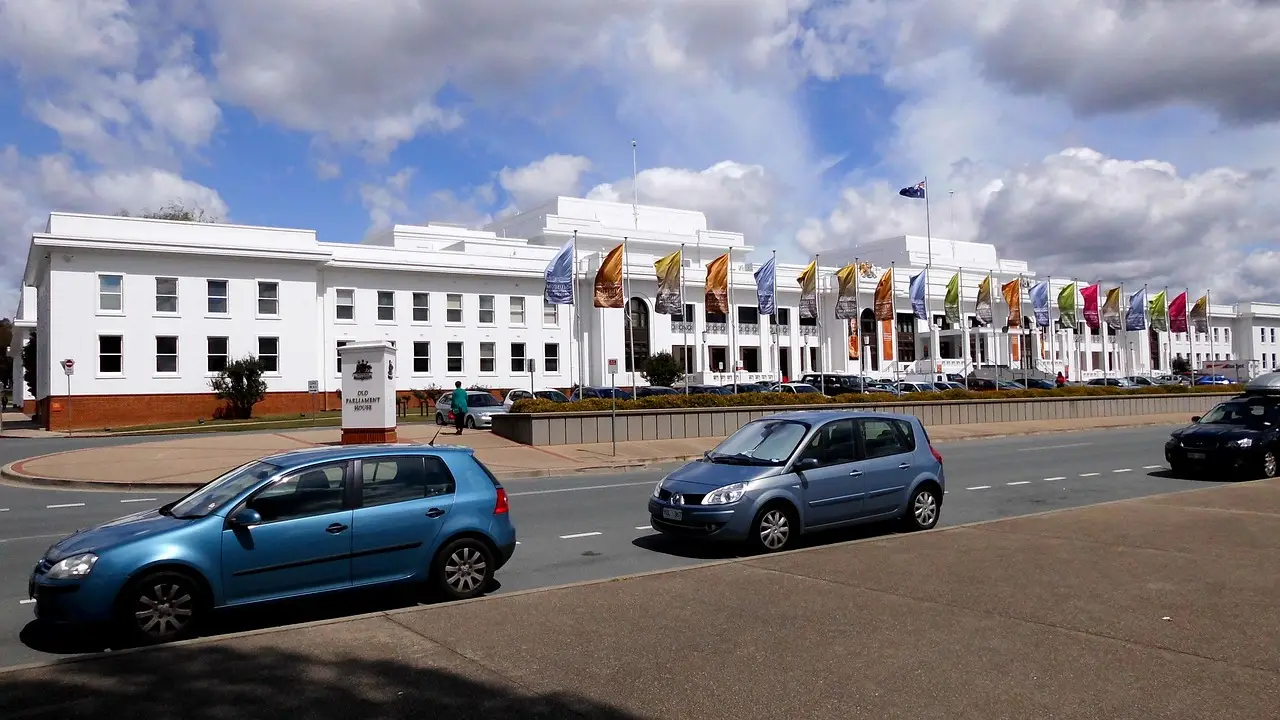
Australia's joint standing committee on AI recommended on Tuesday that the government "strengthen Australia's copyright protections" and build a payment mechanism for creators whose work trains AI models. The same day, more than 7,000 artists — among them Kate Bush, Grace Jones and Sir Ian Rankin — urged Labor not to weaken the law instead.
What did the committee decide?
The committee, chaired by Labor MP Jo Briskey, handed down a 400-page report with dozens of recommendations covering data centres and online safety alongside copyright. The majority view asked the government to design "a mechanism to make it easier and fairer for Australian rights holders and creators to be paid by AI companies training frontier and other large language models in Australia". The report also called for "incentives" for companies to strike licensing deals.
Independent senator David Pocock broke with the majority. He called for a three-year moratorium on copyright changes and warned against rushing amendments that would favour AI companies.
Why are 7,000 artists intervening?
The campaign, organised by former tech executive Ed Newton-Rex, carries a direct message to Canberra. Its statement reads: "The Australian government must not legalise the theft of the work of the world's creators on their soil. Our work must only be used to train AI models in Australia with our explicit permission."
The signatories span the creative industries. Literary names include Joanne Harris, Bonnie Garmus and Andrew Motion. Visual artists include Tim Flach, Maia Kobabe and Woodrow Phoenix. Musicians include Andreya Triana, Steve Jones and Anthony Phillips. The pledge landed one week after Elton John backed the Not AI's To Take campaign, an Australian coalition resisting changes to copyright law.
What does the ruling change?
For rights holders, the committee's majority recommendation points toward statutory payment mechanisms rather than a free text-and-data exception. For AI companies, the report signals that any Australian investment will likely come with licensing obligations attached.
The practical stakes are high. Senior ministers in the Albanese government have said the "status quo" is not viable, and AI companies have told Canberra they need legal certainty before investing here. Anthropic has proposed an "opt-out" model that would allow scraping of creative works unless a rights holder objected. Bush and Jones fear a weaker Australian standard would let AI models train on content from anywhere in the world.
Do rights holders even want reform?
Key industry bodies dispute the framing that change is needed. Music publisher group Apra Amcos and Aria have both argued existing copyright law is adequate. Dean Ormston, CEO of Apra Amcos, told Guardian Australia this month: "There's nothing wrong with the copyright framework. The problem is getting somebody to sit at the table and have a discussion with us."
Prime minister Anthony Albanese has said it would be "theft" if creatives were not paid for their work. AI companies counter that individual licensing deals are too difficult under the current law.
The takeaway: a parliamentary majority wants stronger copyright and payment mechanisms, an influential minority wants a freeze, and 7,000 creators want the law left alone — the government now has to choose a side.
via theguardian.com (Source)
More from Grace Kim
Show full bio
Correspondent covering companies, deals and strategy in International law and legal practice at Global Law Wire.
373 articles
Also before the court
- Australia to Create AI Safety Regulator After OpenAI Portal Breach
- Australia Passes Law to Levy Tech Giants That Fail to Pay for Local News
- A&O Shearman Commits $1.1 Billion and Billable Hours to AI Build-Out
- 'Extraordinary Powers' Development Bill Clears Australian Parliament
- Australia's Online Safety Bill Passes with 5% Global Revenue Fines