Law report · filed November 22, 2026
Courts & TribunalsReported case
Missouri Judge Approves Roundup Settlement Worth Up to $7.25 Billion
Judge Timothy Boyer approved a nationwide Roundup settlement worth up to $7.25 billion, with payments of $10,000 to $165,000 for non-Hodgkin lymphoma claimants.
By Marcus Bennett3 min read612 words
Holding
- Missouri Judge Timothy Boyer gave final approval on Friday to a settlement worth up to $7.25 billion.
- Individual claimant payouts range from $10,000 to $165,000 depending on exposure and diagnosis age.
- Bayer previously agreed to pay $10-11 billion to settle more than 100,000 Roundup claims.
- The U.S. Supreme Court ruled for Bayer earlier this year, shielding it from state-court failure-to-warn suits.
- Payments go to thousands diagnosed with non-Hodgkin lymphoma allegedly linked to glyphosate.
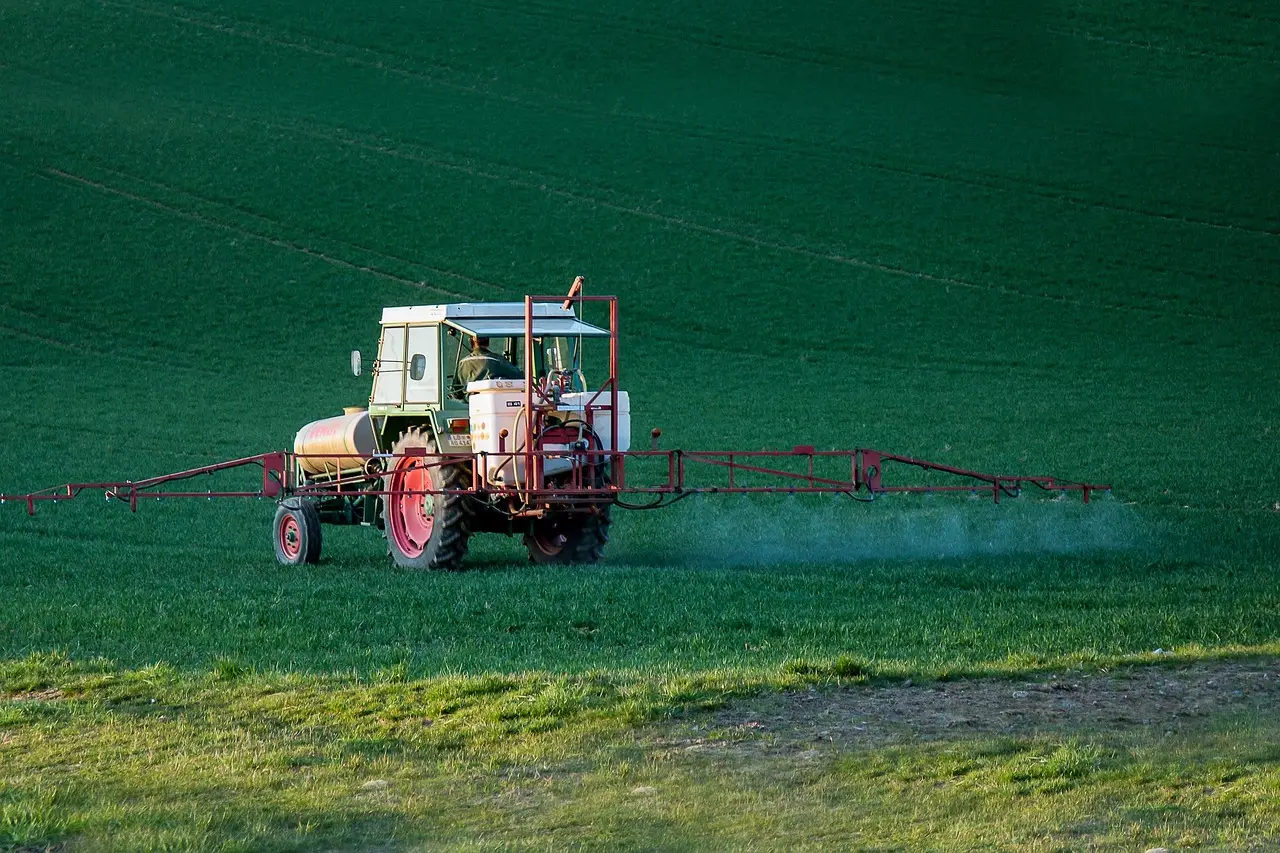
A Missouri circuit court judge has given final approval to a nationwide Roundup settlement that could cost Bayer up to $7.25 billion in the coming years. Judge Timothy Boyer signed the order on Friday, closing the approval phase of one of the largest mass tort resolutions in U.S. history.
Boyer called the deal "among the largest in the history of mass tort personal-injury class action settlements." The ruling binds Bayer to compensate thousands of people who have been, or will be, diagnosed with non-Hodgkin lymphoma, a blood cancer they claim is linked to glyphosate, the main ingredient in Roundup.
What does the settlement pay?
Individual payouts will range from $10,000 to $165,000, according to the terms approved in circuit court. The amount each claimant receives depends on several factors:
- The extent of occupational exposure to glyphosate, with agricultural and other high-exposure work weighing toward the upper range
- The age at which the claimant was diagnosed with non-Hodgkin lymphoma
- Other case-specific considerations set out in the agreement
The settlement covers future claimants as well as those already diagnosed, which shifts a substantial portion of Bayer's litigation tail from open-ended jury risk into a structured compensation program.
What are the parties saying?
Bayer CEO Bill Anderson called the settlement a "decisive milestone" that will "mitigate the risks" of pending and future litigation. The statement signals the company's intent to cap a liability line that has shadowed it since acquiring Monsanto.
Christopher Seeger, the attorney representing the plaintiffs, struck a different tone. "Today's final approval order delivers guaranteed compensation to Roundup cancer victims who have waited more than a decade for justice," Seeger said in a statement.
How did the Supreme Court shape this outcome?
Earlier this year, the U.S. Supreme Court ruled in Bayer's favor, holding that the German company could be shielded from lawsuits filed in state courts over claims it failed to warn consumers about the cancer-causing effects of glyphosate. That decision removed a major avenue for state-court claims and strengthened Bayer's negotiating position.
The Trump administration backed Bayer in the Supreme Court case and has issued an executive order promoting domestic glyphosate production. The politics cut in several directions: glyphosate safety has also become a rallying issue for supporters of Health Secretary Robert F. Kennedy Jr. and his Make America Healthy Again agenda.
What is the science dispute?
The scientific record remains contested. More than a decade ago, the World Health Organization's cancer agency concluded that glyphosate is probably carcinogenic to humans. Prominent environmental health scientists have echoed those concerns as recently as this year.
The Environmental Protection Agency has reached the opposite conclusion, finding it "did not identify risks of concern from glyphosate uses, including for cancer." The agency is currently reviewing the human health evidence after facing intense pressure from advocates and some scientists.
Bayer has steadfastly denied that its product causes cancer. The company removed glyphosate from its U.S. residential products several years ago, though the chemical remains in agricultural use. Roundup is the most widely used weed-killer in the world.
What does this mean for practitioners?
The new deal sits on top of an earlier settlement in which Bayer agreed to pay roughly $10 billion to $11 billion to resolve more than 100,000 Roundup claims. Together, the two agreements push Bayer's total Roundup exposure toward $18 billion. For tort lawyers, the Boyer order converts uncertain future verdicts into defined compensation tiers, and for Bayer, it caps a litigation chapter that began with the Monsanto acquisition — even as the underlying scientific dispute over glyphosate continues.
via feeds.npr.org (Source)
More from Marcus Bennett
Show full bio
Market editor covering regulation, policy and their impact on International law and legal practice at Global Law Wire.
374 articles
Also before the court
- Missouri Judge Approves $7.25bn Bayer Roundup Settlement
- Family Dollar Pays $63 Million to Settle FTC Deceptive Pricing Claims
- Arbitration Tribunal Orders AOP to Pay Over €17 Million
- Takeda Books $2.5 Billion Legal Charge After Pay-for-Delay Verdict
- FTC and Washington AG Announce $225 Million Settlement With Amway