Law report No. GLW-4426 · filed September 29, 2026
Courts & TribunalsReported case
Labor Unions Hail World Court Ruling Enshrining Right to Strike
Labor unions are celebrating a World Court ruling that enshrines the right to strike, handing the international trade union movement a landmark legal victory.
By Amara Osei3 min read545 words
Holding
- The World Court has issued a ruling enshrining the right to strike under international law.
- Labor unions across the international trade union movement celebrated the decision as a landmark victory for workers.
- Practitioners must now treat strike action as a recognized international right when advising on industrial disputes.
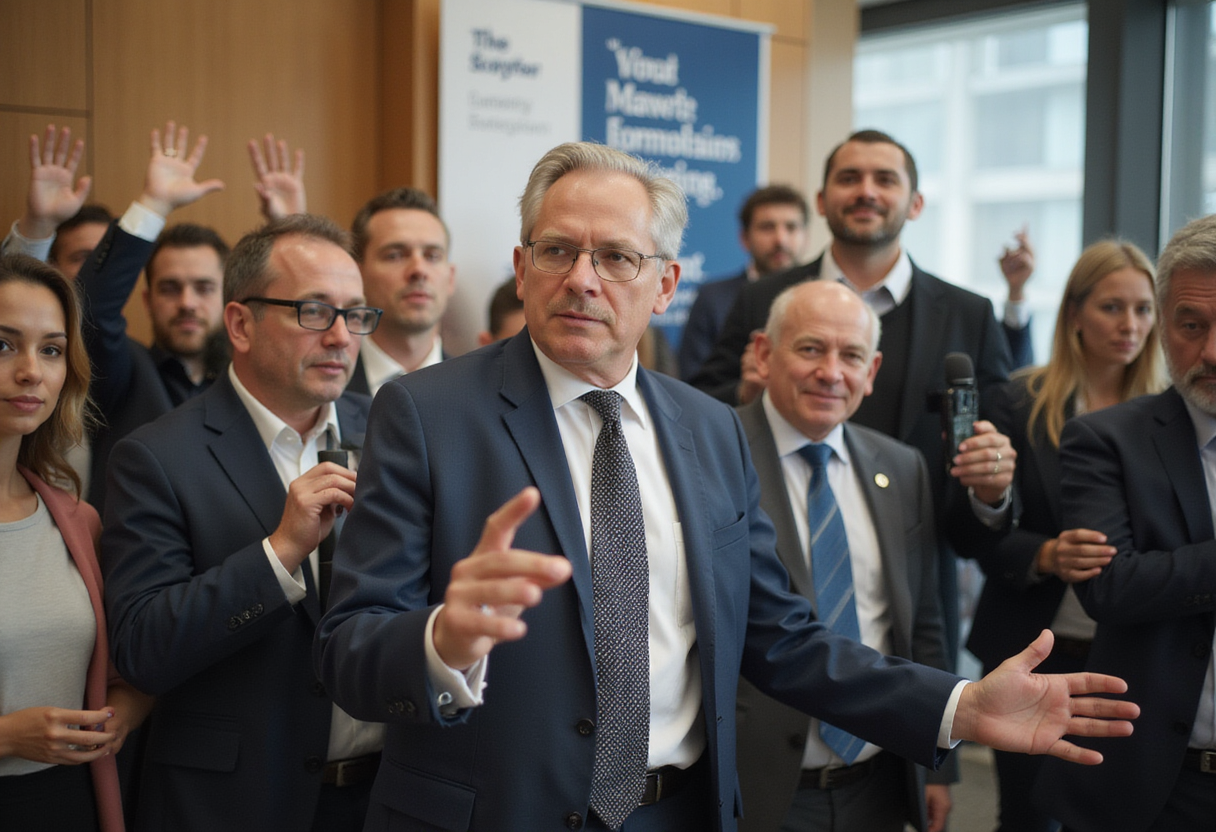
Labor unions across the international trade union movement are celebrating a ruling by the World Court that enshrines the right to strike, according to a report by Truthout.
The decision, handed down by the international court commonly known as the World Court, affirms the right to strike at the international level. Union organizations responded to the judgment with enthusiasm, describing it as a milestone for workers and their representatives.
What the Court Decided
The World Court's ruling establishes the right to strike within the framework of international law. The judgment resolves a long-running question over whether workers enjoy an affirmative, legally protected right to withhold their labor through collective strike action.
For trade unions, the answer now carries the authority of the world's principal international judicial body. Labor organizations that campaigned for the outcome welcomed the court's recognition of strike action as a right rather than a mere tolerated practice.
Why Unions Are Celebrating
Labor unions celebrated the ruling as a vindication of decades of advocacy. The decision gives workers and their organizations a strengthened legal foundation when they resort to strikes — the most consequential tool in collective bargaining.
Union representatives frame the judgment as confirmation that strike action sits alongside other fundamental labor protections recognized internationally. In their view, the ruling settles a dispute that employers and some governments had long pressed: whether the right to strike forms part of international labor standards.
Practical Consequences for Practitioners
For legal practitioners, the ruling changes the analytical starting point in disputes involving strike action. Lawyers advising unions, employers, and governments must now treat the right to strike as enshrined at the international level rather than contested. The judgment is likely to feature in arguments before national labor tribunals, international supervisory bodies, and courts weighing restrictions on industrial action. Any government measure limiting strikes will now have to be justified against a recognized international right, raising the bar for prohibitions, injunctions, and disciplinary action directed at striking workers.
The Broader Context
The right to strike has been a contested issue in international labor law for years. Employers' groups and several states have argued that international instruments do not explicitly guarantee a right to strike, while trade unions and their supporters have insisted that the right flows from core labor freedoms, including freedom of association.
The World Court's ruling decisively favors the union position. By enshrining the right to strike, the court has aligned itself with the position long advanced by the international labor movement.
Reaction
Labor unions did not hide their satisfaction. The organizations celebrating the judgment describe it as a victory for workers everywhere and a signal that collective action enjoys firm protection under international law.
The decision arrives at a moment of heightened labor activism in many countries, and unions are expected to cite the ruling in upcoming negotiations and disputes.
What Comes Next
The immediate effect of the ruling is legal: the right to strike now stands enshrined by the World Court. The longer-term effect will depend on how national governments, courts, and employers respond — and how forcefully unions invoke the judgment in defense of industrial action.
For now, the international trade union movement is claiming a landmark win.
This report is based on information published by Truthout.
via GN International Courts (Source)
More from Amara Osei
Show full bio
Senior reporter covering industry trends and analytics at Global Law Wire.
186 articles
Also before the court
- World Court Affirms International Right to Strike Is Protected
- World Court Recognises Right to Strike Under International Law
- International Court Backs Workers' Right to Strike
- ICJ Recognises Workers' Right to Strike Under Key Labour Treaty
- ICJ Advisory Opinion Finds Right to Strike Protected Under ILO Convention No. 87