Law report No. GLW-2617 · filed October 10, 2026
Courts & TribunalsReported case
Kosovo's Former President Faces War Crimes Trial Amid Hero Debate
Kosovo's former president faces a war crimes trial at the Specialist Chambers in The Hague, where charges linked to the late 1990s conflict will test whether his status as a liberation hero shields him from prosecution.
By Sophie Lindqvist4 min read717 words
Holding
- Kosovo's former president faces war crimes charges at the Specialist Chambers seated in The Hague
- The Specialist Chambers was established in 2015 to pursue crimes allegedly committed during and after the late 1990s war
- The defendant is widely viewed as a liberation hero within Kosovo, complicating prosecution efforts
- The Specialist Chambers applies Kosovo criminal law while employing an internationalized judicial panel
- The defense has challenged the factual allegations and the court's jurisdiction as a politically motivated proceeding
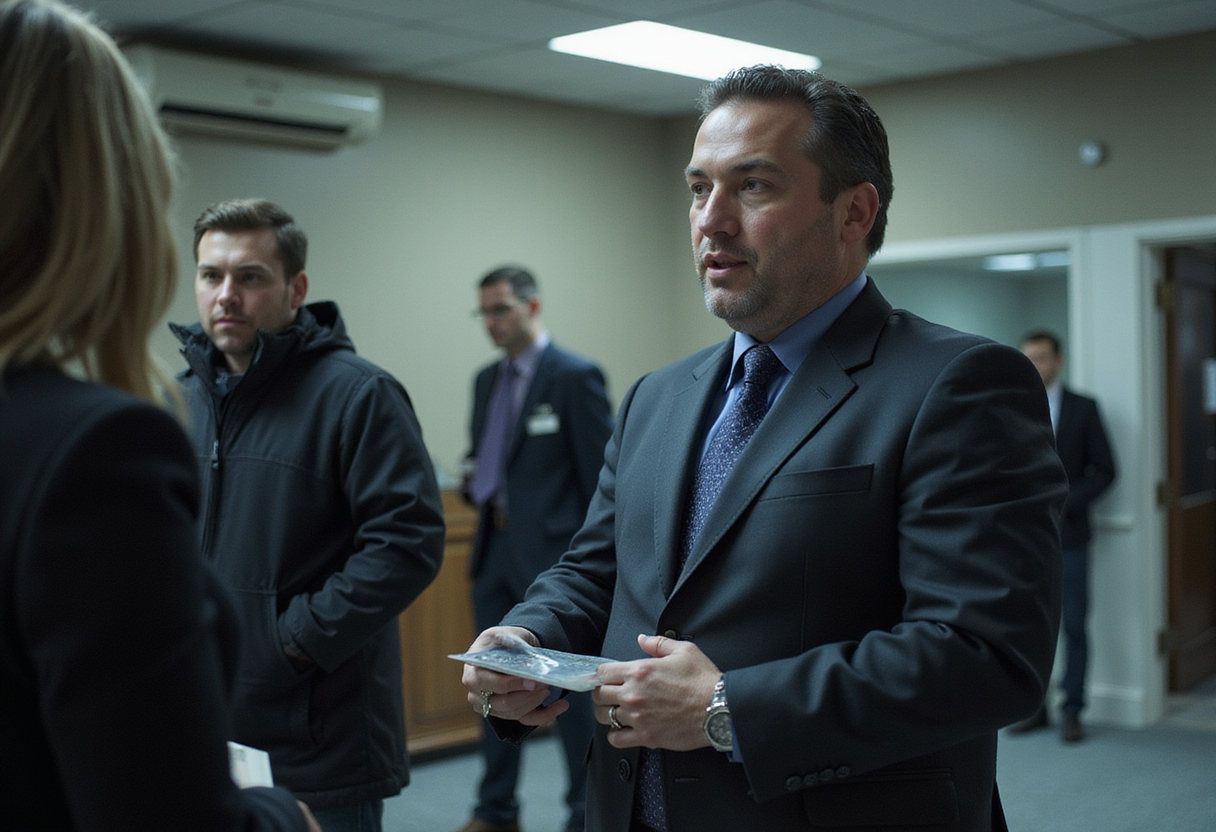
Kosovo is counting down to a war crimes trial of a former president whose political legacy as a wartime commander sits in direct tension with the charges he faces. The case, scheduled before a specialist court, has reignited debate about whether celebrated liberation figures should answer in courtrooms for actions during the late 1990s war.
The former head of state of Kosovo faces charges arising from events tied to the war and its aftermath. The trial will be heard at the Kosovo Specialist Chambers, a hybrid international-domestic court seated in The Hague, Netherlands, but applying Kosovo criminal law. The court was established to pursue allegations of war crimes and crimes against humanity that domestic courts had not addressed.
The Bloomberg headline's characterization of the defendant as "a hero" captures the political reality. Within Kosovo, the former president commands significant public support as a symbol of resistance. The same political base complicates prosecution efforts and shapes how the proceedings are perceived both domestically and internationally.
What Court Will Hear the Case?
The Kosovo Specialist Chambers operates as an internationalized domestic court. Its judicial panel includes international jurists and Kosovo-appointed members. The court's mandate covers serious international crimes allegedly committed during and after the conflict period.
The chamber's structure was a deliberate compromise. Kosovo's parliament established the court in 2015, building on international efforts to address allegations from the war era. By locating the court in The Hague and recruiting international staff, the framework sought to insulate proceedings from local political pressures while keeping the case within Kosovo's legal system.
The Charges and the Context
The prosecutor's case alleges a pattern of conduct that crossed from military leadership into criminality. The defense has consistently challenged both the factual basis of the allegations and the court's jurisdiction. Defense arguments include claims that the court represents a politically motivated exercise and that the conduct alleged falls within the laws of war applicable to armed conflict.
Why the Hero Label Matters
The defendant's status as a liberation hero carries practical consequences inside the courtroom. Witness cooperation is more difficult when the accused is widely respected in the community. Intimidation of witnesses has been a documented concern for international tribunals operating in the Western Balkans.
Outside the courtroom, the hero label shapes diplomatic reactions. Kosovo's current government includes figures allied with the former president, creating tension between official support and the international partners who established the court. The United States and European Union member states have publicly backed the Specialist Chambers as a test of Kosovo's commitment to the rule of law.
What Practitioners Should Watch
Legal observers should monitor several procedural elements as the trial proceeds. The prosecution's opening statement will lay out the case theory and identify the categories of evidence to be presented. Defense challenges to specific charges and to the court's overall jurisdiction are also likely.
Evidentiary rulings will be critical. The Specialist Chambers follows procedural rules drawn from Kosovo law with international elements, including detailed provisions on witness protection and the admission of documentary evidence. Pre-trial rulings on admissibility have already shaped what the trial judges will consider.
The defense is expected to argue that the alleged conduct fell within the rules governing internal armed conflict, and that any unlawful acts by individual fighters cannot be attributed to senior commanders without proof of direct orders or knowledge. Prosecutors typically counter with command responsibility theories, holding superiors accountable for patterns of abuse they knew about or should have known about.
Broader Implications
The trial will test the viability of internationalized war crimes prosecution in post-conflict states. A successful prosecution would demonstrate that even celebrated figures can face legal consequences. An unsuccessful one could feed narratives that liberation-era leaders operate above the law.
For practitioners advising clients in similar jurisdictions, the case offers a study in the practical limits of hybrid tribunals. Witness protection, evidence collection years after the events, and political interference each present challenges that no procedural framework fully resolves.
The countdown now measures more than calendar days. It tracks the distance between Kosovo's self-image as a state founded in liberation and its aspiration to a legal system that holds all citizens, including its heroes, to the same standard.
via GN War Crimes (Source)
More from Sophie Lindqvist
Show full bio
News editor covering industry trends and analytics at Global Law Wire.
201 articles
Also before the court
- Kosovo Specialist Chambers Deliver Verdict in KLA Leaders' War Crimes Trial
- Hague Court Set to Rule in War Crimes Trial of Kosovo's Thaci
- Protesters Clash With Kosovo Police Over War Crimes Court Law
- Former Kosovo President Thaçi Pleads 'Completely Innocent' at Hague Trial
- Hague War Crimes Trial Shadows Kosovo's 18th Independence Day