Law report No. GLW-3336 · filed October 2, 2026
Antitrust & CompetitionReported case
Jury Finds World Aquatics Violated Antitrust Law, Awards ISL $1
A federal jury found World Aquatics orchestrated an antitrust boycott of the International Swimming League — but awarded the rival league just $1 of the $40 million it sought.
By Grace Kim4 min read722 words
Holding
- A federal jury on Friday found World Aquatics violated antitrust law by boycotting ISL events but awarded only $1 in damages against a $40 million claim.
- World Aquatics, formerly FINA, is a Swiss nonprofit governing six aquatic sports with 210 national member federations.
- Both ISL and World Aquatics publicly welcomed the verdict, each offering different interpretations of the nominal damages award.
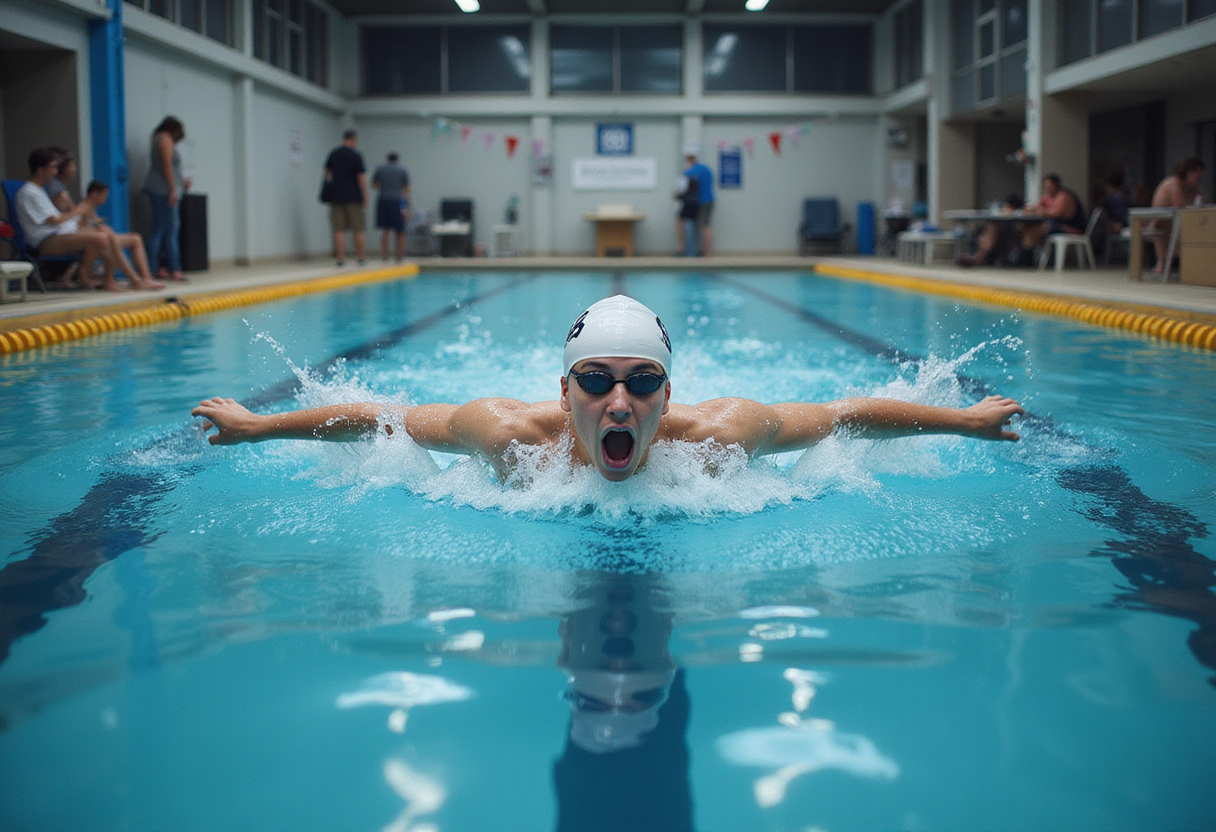
A federal jury on Friday found that World Aquatics violated antitrust law by orchestrating a boycott of the International Swimming League (ISL), but awarded the rival swimming organization just $1 in damages.
The eight-person jury sided with ISL on the liability question, finding the league proved that World Aquatics refused to deal with it pursuant to an agreement to boycott its swimming events and that the harm to ISL outweighed any competitive benefits. The damages figure stands in stark contrast to the $40 million ISL claimed it was owed for missed opportunities in 2018, which included a canceled event in Italy.
World Aquatics, a Swiss-based international swimming nonprofit formerly known as the Fédération Internationale de Natation (FINA), governs standards and rules for six professional water sports — swimming, water polo, artistic swimming, diving, high diving and open-water swimming. The organization counts 210 national member federations, determines Olympic qualifiers and runs the World Championships.
ISL sued World Aquatics in 2018, accusing the governing body of interfering with its ability to secure sponsorships. World Aquatics' general rules prohibited the national federations it controlled — along with their swimmers — from working with "unauthorized or suspended bodies." ISL also accused the organization of threatening to penalize swimmers with suspension and potential disqualification from the Olympics if they joined ISL or swam in its events.
After the lawsuit was filed, World Aquatics amended its rules to allow swimmers to participate in unsanctioned leagues and clubs.
At trial, World Aquatics argued that ISL's antitrust claim fell short because thousands of swimming events take place every year that are unaffiliated with and not approved by World Aquatics, and because the organization's rules apply only to affiliated federations. The jury rejected that defense.
Both sides claim victory
Remarkably, both organizations welcomed the verdict, for very different reasons.
"The purpose of ISL bringing these proceedings against [World Aquatics] was to allow it to compete on an even playing field without unlawful interference and disruption," an ISL spokesperson said. "This outcome is not only a victory for ISL but also for swimming more broadly."
ISL suspended its operations in 2021 but announced plans in December to relaunch. "We want to thank our supporters and the wider swimming community for standing by us, and we look forward to seeing you all," the spokesperson said.
World Aquatics read the $1 award as confirmation that the dispute was short-lived and did not significantly damage ISL. The organization said the low award demonstrated that the litigation expenses could have been put to better use advancing swimming worldwide.
"This case has taken up resources that would have been much better utilized if they had been devoted to the sport and athletes," World Aquatics President Husain Al Musallam said in a statement. "It was disappointing to learn during the trial that many athletes and service providers in the aquatics community remain unpaid by ISL, and we welcome ISL's commitment to pay the $7 million it owes to swimmers before attempting to restart its league."
A league built for spectacle
Konstantin Grigorishin started the International Swimming League in 2017 as a competitive swimming group with broadcast international events. Races ran only a few minutes apart, with multiple camera angles, LED lights and music adding to the spectacle.
In 2022, the league canceled its fourth season due to Russia's invasion of Ukraine and Grigorishin's inability to fund future events. Grigorishin, a Russian-Ukrainian billionaire with assets in the oil-shipping industry, was personally sanctioned by Ukraine in 2025.
What the verdict means for practitioners
For antitrust practitioners, the verdict is a study in the gap between liability and remedy. The jury accepted ISL's theory — a refusal to deal pursuant to a boycott agreement, with anticompetitive harm outweighing any procompetitive justification — yet valued the compensable injury at a single nominal dollar. That combination preserves a liability finding that ISL can trumpet as vindication while stripping the judgment of meaningful monetary stakes, and it will give defendants in similar sports-governance disputes a ready talking point about the ephemeral nature of claimed damages. Counsel for plaintiffs in boycott and refusal-to-deal cases should also note the evidentiary weight the jury apparently gave to the governing body's post-suit rule change, which loosened restrictions on unsanctioned competition shortly after the complaint was filed.
via courthousenews.com (Original)
More from Grace Kim
Show full bio
Correspondent covering consumer brands and retail at Global Law Wire.
206 articles
Also before the court
- CAS Rules FIDE Sanctions on Russian Chess Federation Insufficient
- New York Federal Judge Lets Tennis Antitrust Suit Proceed Against Tours and Slams
- EU Court Backs Naming Doped Athletes, Rejects Automatic Online Shaming
- FIFA Antitrust Suit Survives Puerto Rico Procedural Ruling
- FIFA Retains Sanction Power Over Malaysia Despite Court Ruling