Law report No. GLW-9116 · filed October 16, 2026
Courts & TribunalsReported case
Judges Warned Over Fake Case Citations Appearing in Court
Judges have been told to stop citing fake case citations after fabricated authorities appeared in court records, The Law Society Gazette reports.
By Marcus Bennett2 min read422 words
Holding
- Judges have been warned to stop referencing fake case citations, The Law Society Gazette reports.
- The warning follows the appearance of fabricated authorities in court documents.
- The Gazette headline targets the judiciary directly, not just advocates.
- The problem is linked to the ease of generating plausible but non-existent case references.
- Courts and regulators treat fabricated citations as misconduct or abuse of process.
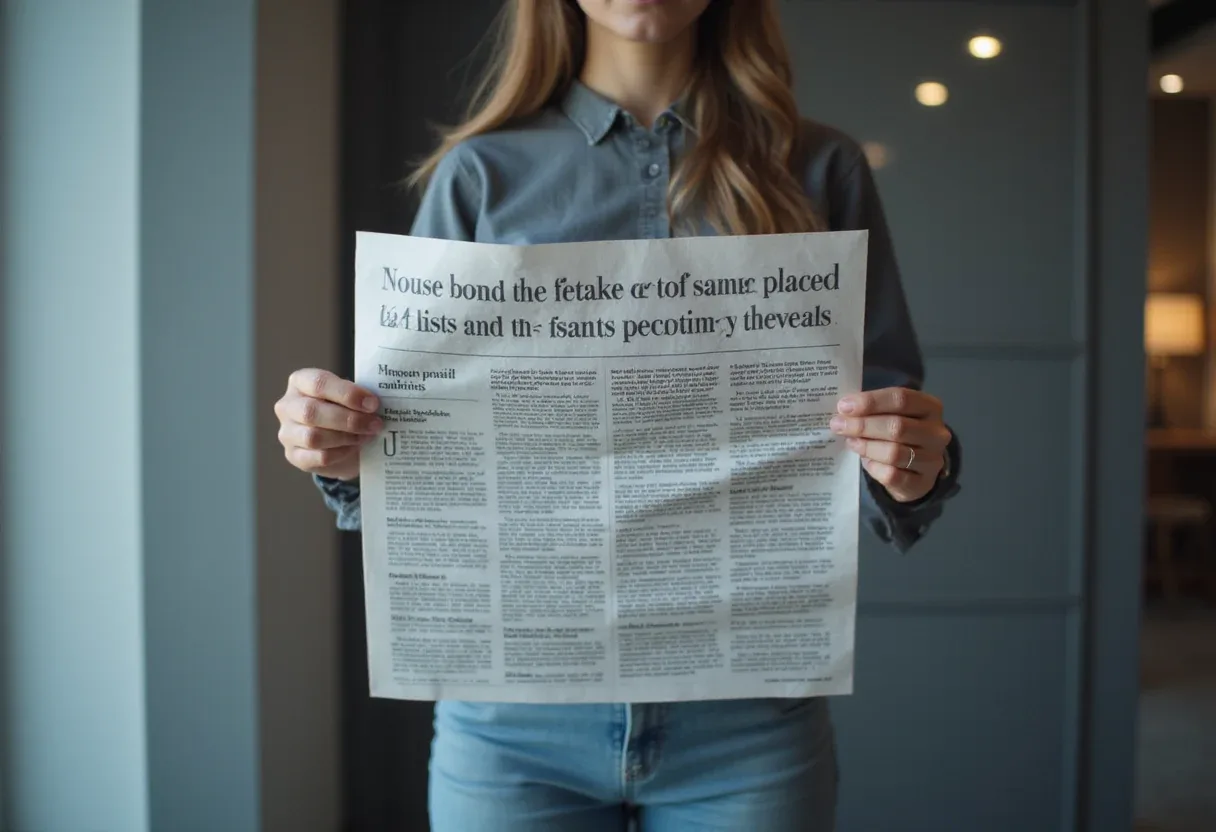
Judges have been warned to stop referencing fake case citations, according to a report in The Law Society Gazette. The warning lands as fabricated authorities continue to surface in legal submissions. It marks the latest flashpoint in a problem now troubling courts and regulators alike.
The Gazette's headline instruction was blunt: "Stop referencing fake case citations, judges warned." The warning speaks to a practice that has spread through the profession. Lawyers and, reportedly, judges themselves have cited cases that do not exist.
Why do fake citations keep appearing in court?
The problem is not new. But it has grown. Artificial intelligence tools can generate plausible-looking case references in seconds. Those references sometimes carry real names, real courts and real dates. They point to nothing.
A lawyer drafting under deadline pressure may not check every authority. A judge drafting a ruling can fall into the same trap. The result is the same either way. A fabricated citation enters the official record.
The Gazette's warning directs itself at the judiciary. That detail matters. Earlier warnings targeted advocates and law firms. This one acknowledges that no tier of the profession sits above the risk.
What does the warning change?
For practitioners, the practical consequence is simple and urgent. Every citation in every document must be verified against a primary source. A neutral citation, a law report reference, a database entry — something concrete must sit behind every authority cited.
The warning also raises the stakes for supervision. Senior lawyers who sign off on pleadings and opinions carry responsibility for the authorities within them. Courts have already sanctioned litigants in other jurisdictions for filing invented cases. A judge citing a phantom authority faces a different but equally serious reputational exposure.
The professional consequences can be severe. Courts treat fabricated citations as an abuse of process. Regulators treat them as misconduct. Neither defence of oversight nor of haste has fared well when tested.
What should lawyers do now?
The Gazette report points to a discipline the profession already knows. Verify, then cite. The rule predates artificial intelligence by centuries.
The modern twist is speed and scale. A single unchecked research session can seed dozens of false references across multiple documents. The correction cost then multiplies.
The Gazette's warning, addressed to judges themselves, signals that the problem has reached the highest level of the system that must police it. The message is direct. Stop. Check. Then cite.
This report is based on a Law Society Gazette story titled "Stop referencing fake case citations, judges warned."
via GN Law Society Gazette (Source)
More from Marcus Bennett
Show full bio
Market editor covering regulation, policy and their impact on International law and legal practice at Global Law Wire.
252 articles
Also before the court
- High Court judge labels fake case authorities "appalling" and alerts regulators
- Civil Justice Council Sets Up Working Group on AI and 'Fake' Citations
- Ex-Solicitor Loses Appeal Over Fake Cases From Google Search
- Judge Orders Naming of Barrister Over AI-Generated Fake Cases
- Record Fines Fail to Curb AI Hallucinations in Court Filings