Law report No. GLW-6577 · filed November 14, 2026
Regulation & EnforcementReported case
Iran Tells IAEA Nuclear Monitoring Talks Cannot Proceed Amid Threats
A confidential IAEA report says Iran refuses monitoring talks while under U.S. threat, as 440.9 kg of 60%-enriched uranium remain unverified since June strikes.
By Marcus Bennett3 min read659 words
Holding
- Iran holds 440.9 kg of uranium enriched to 60%, enough for up to 10 bombs if weaponized, the IAEA says.
- The only IAEA inspection in Iran since June 2025 was at the Bushehr plant, on Sept. 12-15.
- The Isfahan Fuel Enrichment Plant has never been inspected; the IAEA does not know its exact location.
- U.S.-Israeli strikes on Feb. 28 killed Supreme Leader Ayatollah Ali Khamenei and other top officials.
- Iran objected to a U.S. reward offer of up to $20 million for information on its nuclear program.
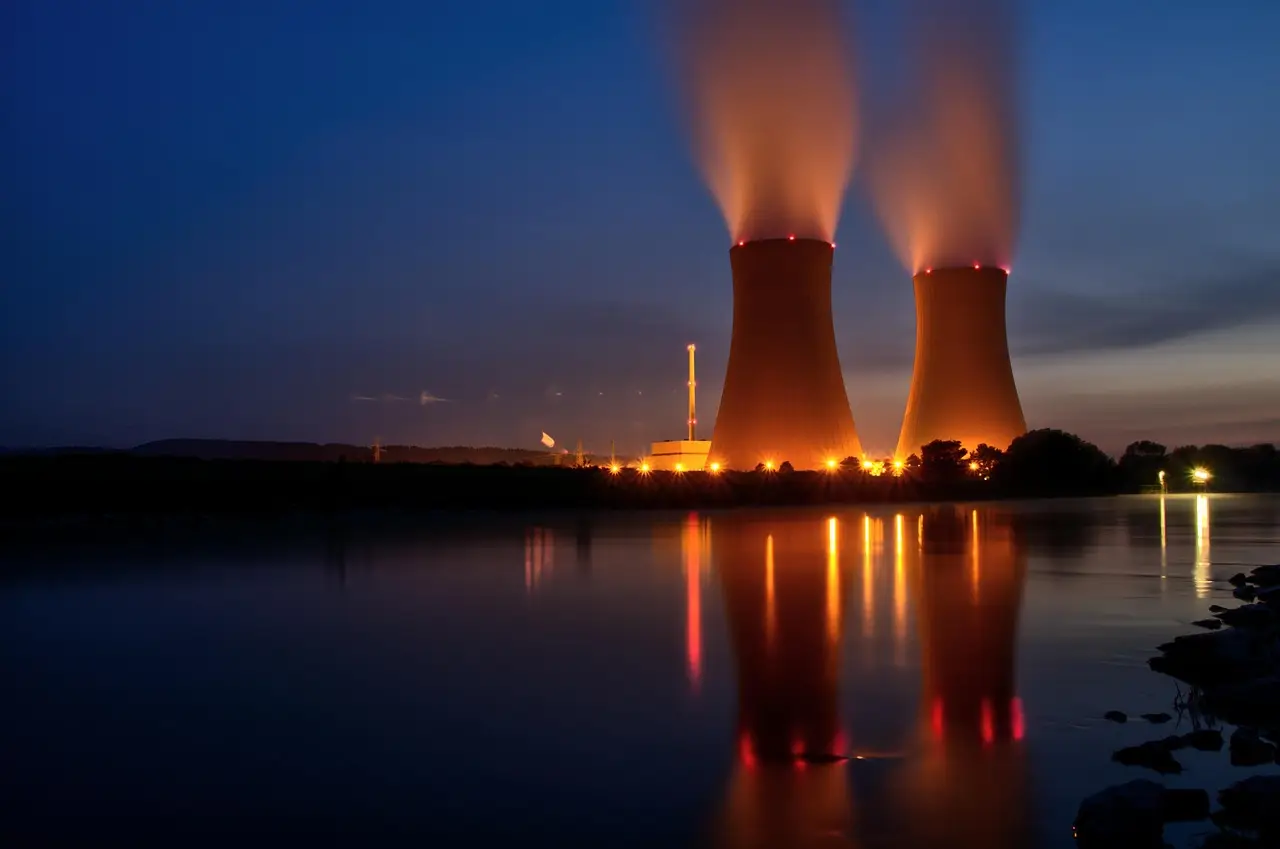
Iran has told the U.N. nuclear watchdog it will not resume discussions on nuclear monitoring while it faces military threats, according to a confidential International Atomic Energy Agency report circulated to member states on Friday and seen by The Associated Press.
In the report, Iran insisted that talks on resuming inspections cannot restart amid what it called "a series of persistent, explicit, and public threats by the President of the United States of America … to commit further acts of armed aggression" against Iran, "particularly targeting its nuclear facilities."
Why has Iran blocked the inspectors?
Iran has not given IAEA inspectors access to nuclear sites affected by Israeli and U.S. strikes during the 12-day war in June 2025. The agency has also been unable to verify the status of Iran's stockpile of near weapons-grade uranium since the June bombing.
Tehran told the agency the situation will not resolve "until the root causes of the present situation are addressed and the essential requirements for normal safeguards implementation are restored," according to the report.
Iran nevertheless reaffirmed its "firm commitment to resume full implementation of its safeguards obligations as soon as the relevant and actual conditions permit it."
The IAEA said the lack of information about Iran's atomic sites and nuclear material is "a matter of proliferation concern" that "needs to be rectified with the utmost urgency." The agency added that it is "fully prepared to resume its safeguards activities in Iran at short notice," and it encouraged Iran to "consider technical and gradual measures" to allow inspectors to return.
What is at stake for verification?
Under IAEA guidelines, highly enriched nuclear material should normally be verified every month. That verification has lapsed since June.
According to the agency, Iran maintains a stockpile of 440.9 kilograms (972 pounds) of uranium enriched up to 60% purity — a short technical step from weapons-grade levels of 90%. IAEA director general Rafael Grossi warned in an AP interview last year that the stockpile could allow Iran to build as many as 10 nuclear bombs should it decide to weaponize its program. He added that this does not mean Iran possesses such a weapon.
Iran has long insisted its program is peaceful. The IAEA and Western nations say Tehran ran an organized nuclear weapons program until 2003.
Which sites remain inaccessible?
The only facility inspected in Iran since last June is the Bushehr nuclear power plant, where inspectors conducted a visit on Sept. 12-15. The reactor currently running at Bushehr uses uranium from Russia enriched to 4.5%, a low level needed for power generation in such plants.
The report also expresses "increasing concern" about the Isfahan Fuel Enrichment Plant, a facility Iran first declared to the watchdog last June, before joint U.S.-Israeli airstrikes began. Inspectors were due to visit the site on the day the strikes started but had to cancel. The IAEA said it "does not know" the site's "exact location or whether it contains nuclear material."
How did the standoff begin?
Israel and the U.S. launched a 12-day war against Iran last June, carrying out heavy airstrikes on its nuclear sites and leaving much of Iran's nuclear program in ruins, even as the full extent of the damage remains unclear.
The U.S. and Israel launched further military strikes on Feb. 28, attacks that killed Iran's Supreme Leader Ayatollah Ali Khamenei and other top officials. Those strikes targeted Revolutionary Guard command facilities, air defense systems, missile and drone launch sites, and military airfields.
Iran also raised a separate grievance in a letter to the IAEA, expressing concern about a recent U.S. offer of a reward of up to $20 million for information on Iran's nuclear program. Tehran stressed the importance of maintaining the "confidentiality" of the agency's activities and the need to ensure that information on its nuclear program is not "disclosed, misused or exploited."
via apnews.com (Original)
More from Marcus Bennett
Show full bio
Market editor covering regulation, policy and their impact on International law and legal practice at Global Law Wire.
319 articles
Also before the court
- Iran Warns of Pre-Emptive War as US Weighs Strikes or Tighter Sanctions
- 27 Iranian Airlines Sanctioned: Third States Face IHL Clash
- Task Force Iron Gate: CENTCOM Widens Iran Pressure to Land Routes
- UN Alarm Grows Over US Sanctions Threat Against ICC
- Iranian Parliament Approves Corporate Liability and Mens Rea Rules in Foreign Influence Bill