Law report · filed November 24, 2026
Regulation & EnforcementReported case
HRW-Led Coalition Sets Remedy Standard Before EU Forced Labor Ban
Human Rights Watch and coalition partners release a white paper demanding worker-led remedies as the EU prepares to enforce its Forced Labour Regulation from December 14, 2027.
By Amara Osei4 min read731 words
Holding
- The EU Forced Labour Regulation bans forced-labor products from the EU market in all sectors starting December 14, 2027.
- An estimated 17.3 million people were in private-economy forced labor in 2022, per ILO, Walk Free and IOM estimates.
- Victims of forced labor increased 8 percent between 2016 and 2021.
- Forced labor in the private economy generates US$63.9 billion in illegal profits annually, per the ILO.
- Under the CSDDD, in-scope companies owe a legal duty to remedy harm they cause, completely or in part.
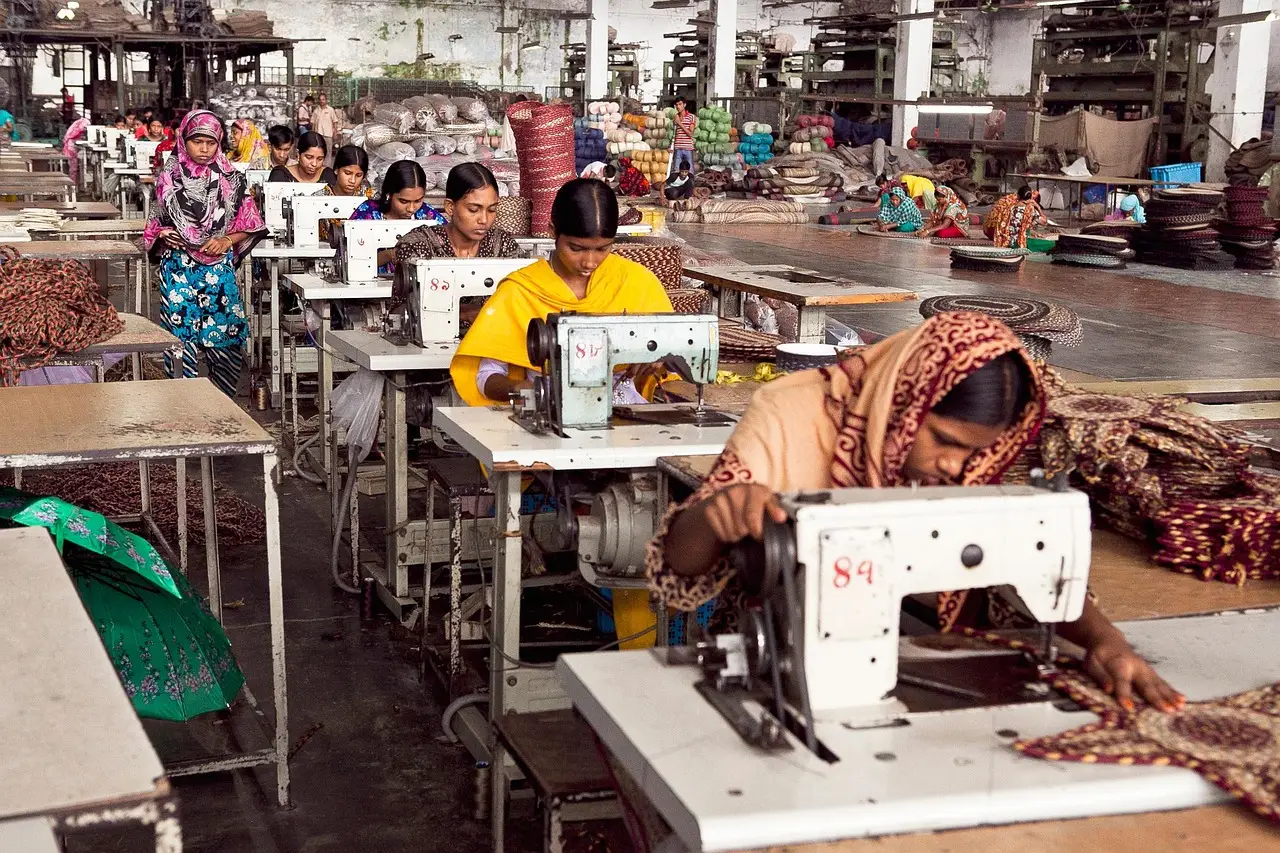
Brussels now has a compliance deadline. Companies must keep products made with forced labor off the EU market from December 14, 2027 under the bloc's Forced Labour Regulation, and Human Rights Watch with a coalition of civil society organizations and trade unions says the remedy owed to workers must come first.
What does the ruling change?
It changes nothing — yet. On the report's release date in Brussels, the groups published the White Paper on Remediation of Forced Labour in the Private Economy, setting out what full and effective remedies look like for workers and the concrete steps companies should take to deliver them. The paper arrives as the EU prepares to enforce the regulation, which bans forced-labor products across all sectors and every stage of production, and as the Corporate Sustainability Due Diligence Directive imposes on companies in its scope a legal duty to remedy harm they cause, completely or in part.
"Forced labor does not end when a product is pulled from the shelves but only when workers who were trapped by debt, deceived, or threatened get their wages, documents, and dignity back," said Hélène de Rengervé, senior advocate at Human Rights Watch. "Companies should remedy labor abuses in their supply chains and engage with workers from the start to define appropriate solutions."
That is the operative standard. Practitioners advising importers, manufacturers and retailers with EU exposure should treat remediation design — not merely product withdrawal — as the compliance question the regulation will eventually test.
What is the scale of the problem?
The numbers are not marginal. An estimated 17.3 million people were in forced labor in the private economy in 2022, according to global estimates by the International Labour Organization, Walk Free, and the International Organization for Migration. Victims increased by 8 percent between 2016 and 2021. The ILO puts illegal profits from private-economy forced labor at US$63.9 billion every year — a sum that rewards the very business models the new rules target.
What does the white paper require?
The groups propose a sequence: prepare, deliver, assess. Remediation should restore, as far as possible, the situation workers would occupy had the abuse not occurred. That entails, per the paper:
- cessation of the abuse;
- restitution and rehabilitation;
- compensation and apologies;
- guarantees of non-repetition.
Workers and their representatives should identify abuses through grievance mechanisms they trust, define the remedies, and assess delivery to their satisfaction. Affected workers should be protected from retaliation at all times. Companies should embed remediation within human rights due diligence rather than treating it as a one-off response to a scandal, and their responsibility should reflect their involvement in failing to prevent or meaningfully address the harm.
Should companies cut and run?
No. The groups warn that exiting suppliers when labor abuses surface can leave workers worse off, not better. Companies should instead agree fairly on how to address and share remediation costs.
Experts cited in the paper found that forced labor rarely results from a few bad actors. It is rooted in poverty, discrimination, weak labor protections and restrictive migration regimes. Migrant workers face heightened risks: recruitment fees that produce debt bondage, deceptive recruitment, and visas tied to a single employer. Fear of deportation and retaliation often keeps victims from seeking redress. The paper also directs companies to examine their own purchasing practices, and to pay prices covering decent working conditions and living wages. The Fair Food Program in US agriculture and the Dindigul Agreement in India's textile sector are offered as worker-driven models with evidence of good practice.
What should EU authorities do?
The groups call on the EU and its member states to ensure competent authorities enforcing the Forced Labour Regulation assess whether remediation actually delivered for workers — through workers' own accounts and evidence of compensation paid. Authorities should also guarantee that, regardless of migration status, workers can access support, file complaints, and recover unpaid wages.
"Workers know best what they have lost and what it will take to rebuild their lives," de Rengervé said. "Companies and EU authorities should listen to affected workers and measure the efficiency of remediation by what workers receive and whether they completely remediate the harm suffered."
The takeaway is plain. Pulling product is the easy half; the regulation's real test, and the coalition's demand, is whether workers get paid, documented and protected before December 14, 2027.
via hrw.org (Source)
More from Amara Osei
Show full bio
Senior reporter covering people, launches and day-to-day practice in International law and legal practice at Global Law Wire.
382 articles