Law report No. GLW-5869 · filed October 10, 2026
Courts & TribunalsReported case
Hague Court Set to Deliver Verdict in War Crimes Trial of Former Kosovo President Hashim Thaçi
The Hague-based Kosovo Specialist Chambers will deliver its verdict in the war crimes trial of former Kosovo President Hashim Thaçi, a landmark for head-of-state accountability.
By Grace Kim3 min read599 words
Holding
- The Hague-based Kosovo Specialist Chambers is set to deliver its verdict in the war crimes trial of former Kosovo President Hashim Thaçi.
- The charges stem from the 1998–1999 Kosovo conflict, when Thaçi was a leader of the Kosovo Liberation Army.
- Thaçi resigned the presidency after the indictment was confirmed and stood trial before an international bench in The Hague.
- He is the most senior political figure to face judgment before the Kosovo Specialist Chambers.
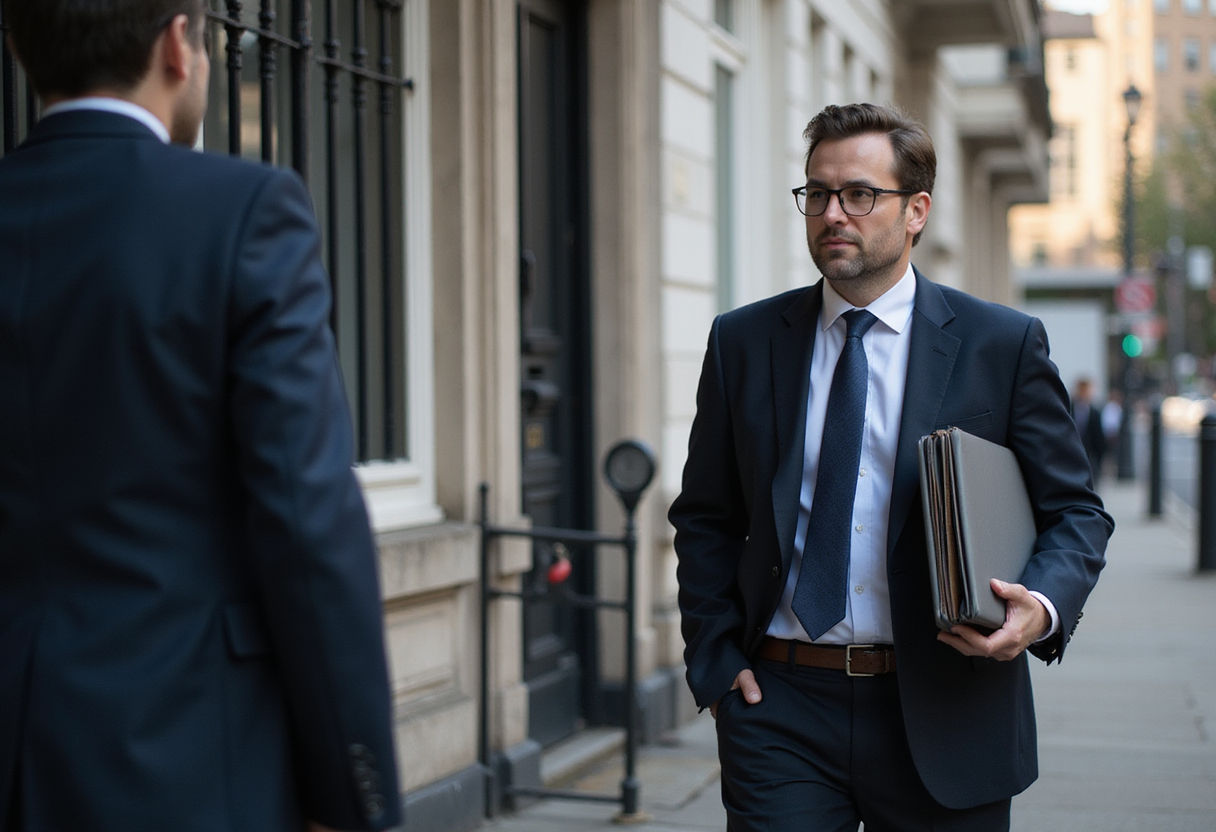
The Hague-based court trying Kosovo's former President Hashim Thaçi is preparing to deliver its verdict in his war crimes trial, bringing to a head one of the most consequential proceedings in the modern legal accountability of former heads of state.
The judgment will be handed down by the Kosovo Specialist Chambers, the Hague-based tribunal created to try alleged crimes arising from the 1998–1999 Kosovo conflict. Thaçi, who served as Kosovo's president, faces charges stemming from his time as a leader of the Kosovo Liberation Army (KLA).
What is at stake for Thaçi?
The verdict closes the trial phase of a case that has shadowed the final years of Thaçi's political career. He resigned the presidency after the indictment was confirmed, and the proceedings have since unfolded before the specialist court seated in The Hague.
The court was established to address allegations of wartime crimes committed by KLA figures, including former commanders who later held the highest offices in Kosovo. Thaçi, once among the most prominent of them, is the most senior political figure to face judgment before the tribunal.
Why does the verdict matter beyond Kosovo?
The ruling carries weight on several fronts.
- Head-of-state accountability. Thaçi is a former president of a state recognized by much of the international community. Judgments against former heads of state remain rare, and each one adds to the body of precedent on individual criminal responsibility at the highest level of political leadership.
- Post-conflict justice in the Balkans. The Kosovo Specialist Chambers is the latest in a line of international and hybrid tribunals addressing the wars that followed the breakup of Yugoslavia. Its verdicts will shape how that chapter of accountability is written.
- Political stability in Kosovo. Thaçi remains a significant figure in Kosovo politics. The outcome of the trial will resonate domestically, among both his supporters and the families of victims of the conflict.
What happens when the verdict is read?
The court will deliver its decision on the charges against Thaçi. Depending on the findings, the judges may convict, acquit, or return a mixed verdict on the counts alleged in the indictment. Any conviction would be followed by a sentencing phase, and the parties would retain the right to appeal to the tribunal's appellate mechanism.
An acquittal or partial acquittal would equally carry consequence, testing the prosecution's evidence and the tribunal's credibility in a case built on events more than two decades old.
What does the trial mean for practitioners?
For international criminal lawyers, the judgment offers a rare data point on how a specialist, Hague-based court with Kosovo-specific jurisdiction applies war crimes law to conduct from the 1998–1999 conflict. Practitioners following command responsibility, evidence from historical conflicts, and the procedure of hybrid tribunals will scrutinize both the reasoning and the sentence, if any. The verdict also provides a live illustration of how modern accountability mechanisms handle defendants who transitioned from battlefield leadership to elected office.
A verdict years in the making
The delivery of the verdict marks the culmination of a trial that began after Thaçi's departure from the presidency and proceeded before an international bench sitting outside Kosovo, in The Hague. The court's location and jurisdiction reflect a compromise designed to insulate proceedings from local pressure while retaining a formal link to Kosovo's justice system.
For Kosovo, the judgment closes — or reopens — questions that have accompanied its statehood since the war. For the wider international legal community, it adds a new chapter to the record of tribunals that have judged former presidents.
via GN War Crimes (Source)
More from Grace Kim
Show full bio
Correspondent covering consumer brands and retail at Global Law Wire.
206 articles
Also before the court
- Hague Court Set to Deliver Verdict in War Crimes Trial of Kosovo's Thaci
- Hague Court Sentences Kosovo's Ex-President Thaci to 25 Years
- Hague Court Sentences Kosovo's Thaci to 25 Years for War Crimes
- Kosovo Tribunal Sentences Former President Thaci to 25 Years
- Thaçi Verdict to Define Legacy of Kosovo Specialist Chambers