Law report No. GLW-6759 · filed September 29, 2026
LegislationReported case
Ghana's Parliament Passes Sweeping Anti-LGBTQ Bill
Ghana's Parliament has approved sweeping anti-LGBTQ legislation, timing the vote to coincide with a conservative conference, Health Policy Watch reports.
By Grace Kim3 min read610 words
Holding
- Ghana's Parliament passed an anti-LGBTQ bill described by observers as extreme in scope
- Lawmakers timed the vote to coincide with a conservatives' conference
- The bill reaches beyond LGBTQ individuals to supporters and advocacy organizations, raising compliance questions for NGOs and health providers
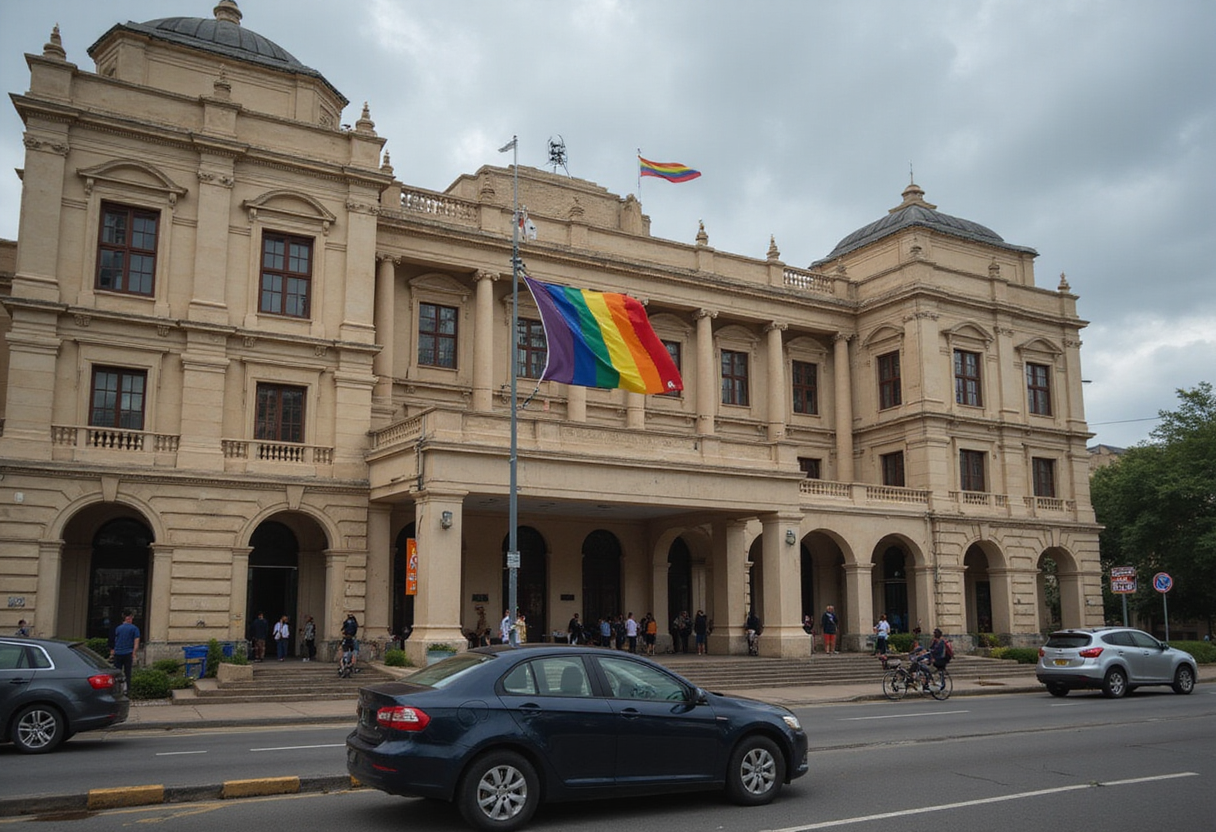
Ghana's Parliament has passed a sweeping anti-LGBTQ bill, with the vote timed to coincide with a conference of conservatives, according to a report by Health Policy Watch.
The legislation, which observers have described as extreme in its reach, cleared the country's legislature after a prolonged campaign by religious and conservative groups to codify harsher penalties and restrictions targeting lesbian, gay, bisexual, transgender and queer persons in Ghana.
The bill's passage through Parliament marks the culmination of a legislative process that has drawn sustained international attention. Lawmakers acted on the measure at a moment chosen to align with a conservative conference, a scheduling decision that underscores the political currents driving the legislation forward.
What the Legislation Does
The measure targets LGBTQ individuals and those who advocate on their behalf. Rights organizations and public health observers have warned that its provisions reach beyond same-sex conduct itself, extending to supporters, allies and organizations that work with LGBTQ communities.
Health Policy Watch characterizes the bill as "extreme," a descriptor that reflects concerns among advocates about the breadth of conduct the legislation covers and the severity of the penalties it imposes.
The timing of the parliamentary vote — deliberately arranged to coincide with a conservatives' conference — signals the depth of political support the measure commanded among lawmakers aligned with religious and traditionalist constituencies.
Practical Consequences
For legal practitioners, the legislation raises immediate compliance and advisory questions. Organizations operating in Ghana — including non-governmental organizations, health service providers and advocacy groups — will need to assess whether their activities could fall within the bill's scope, particularly where they provide support or services to LGBTQ individuals.
International organizations with operations in the country face decisions about how to structure programming and partnerships in light of the new legal environment. Donor-funded health initiatives, in particular, may need legal review to determine whether outreach to affected communities exposes staff or partner organizations to liability.
Foreign businesses and investors will also monitor the bill's implementation, as human rights legislation of this kind has in other jurisdictions triggered reputational and regulatory scrutiny from international partners and financial institutions.
The measure now advances through the remaining stages of Ghana's legislative process before it can take effect as binding law. Attention turns to the presidency, where the bill's fate — assent or otherwise — represents the final constitutional step in the enactment process.
Broader Context
Ghana has witnessed intensifying pressure around LGBTQ rights in recent years, with religious bodies and civil society organizations on opposing sides of a contentious public debate. The parliamentary vote represents a decisive move by legislators to translate that advocacy into statutory form.
The decision to synchronize the vote with a conservative conference reflects the organized political machinery behind the bill. Supporters framed the legislation as a defense of Ghanaian cultural and family values, while opponents warned of consequences for human rights, public health outreach and Ghana's international standing.
Legal observers will now watch for constitutional challenges. Bills imposing criminal penalties on identity and expression frequently draw litigation alleging violations of constitutional protections, including rights to dignity, equality and freedom of association. Ghana's courts have previously served as a forum for testing the limits of state power against individual rights guarantees.
The international response is also likely to unfold in the coming weeks. Diplomatic missions, United Nations bodies and human rights organizations have followed the bill's trajectory closely, and the parliamentary passage will intensify calls for engagement with Ghanaian authorities.
For now, the legislation stands as Parliament's most consequential statement on the issue, passed at a moment chosen for maximum political resonance with the conservative movement that championed it.
via GN Legislation (Source)
More from Grace Kim
Show full bio
Correspondent covering consumer brands and retail at Global Law Wire.
206 articles
Also before the court
- Ghana's Parliament Passes Bill Criminalizing Promotion of LGBTQ Activities
- Ghana Lawmakers Pass Bill Criminalizing LGBTQ People and Activity
- Ghana's Parliament Passes Bill Criminalizing LGBTQ Promotion
- Ghana's Parliament Passes Bill Criminalising Same-Sex Acts
- Ghana's Parliament Passes Anti-LGBTQ+ Bill, Awaits Presidential Approval