Law report No. GLW-6799 · filed October 1, 2026
LegislationReported case
Germany Introduces Solar Mandates for Buildings and Covered Parking
Germany has introduced mandatory solar requirements for buildings and covered parking areas, expanding renewable energy obligations across the built environment.
By Priya Raman3 min read575 words
Holding
- Germany has introduced solar requirements applicable to buildings.
- The new requirements also cover covered parking areas such as canopies and roofed parking facilities.
- The measures shift German policy from incentive-based solar promotion toward binding installation obligations.
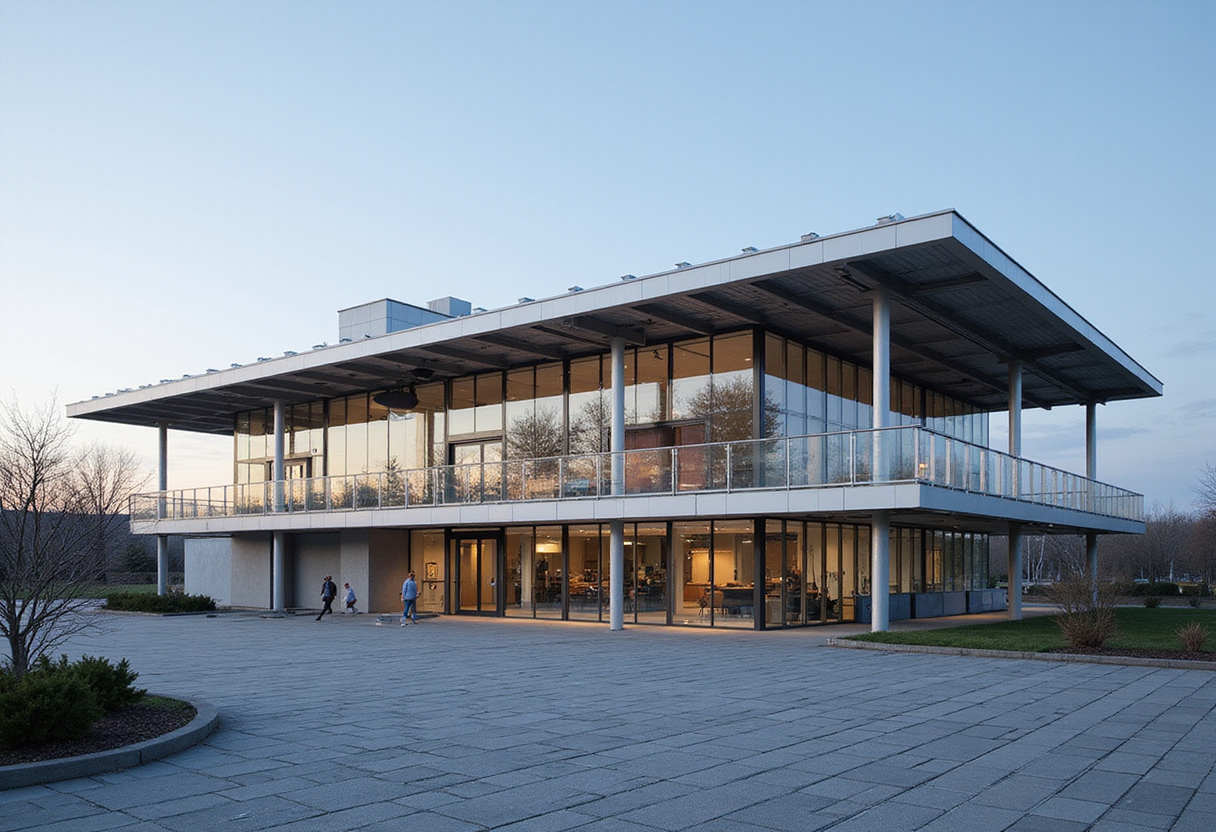
Germany has introduced solar requirements for buildings and covered parking areas, marking a significant expansion of the country's regulatory framework for renewable energy deployment in the built environment.
The new requirements place obligations on building owners and operators to install solar installations. The measures also reach covered parking areas, a category of infrastructure that previous German solar promotion schemes left largely outside mandatory installation obligations.
What the New Rules Cover
The introduction of solar requirements for buildings and covered parking areas signals that German lawmakers are moving from incentive-based approaches toward binding obligations. Where earlier policy leaned on feed-in tariffs and voluntary uptake, the new framework makes solar installation a matter of legal compliance for the structures it covers.
The extension to covered parking areas is the notable structural feature of the announcement. Parking structures — canopies, garages, and other roofed parking facilities — present large, unobstructed surface areas suitable for photovoltaic deployment. By bringing these surfaces within the scope of mandatory requirements, German legislators capture a substantial stock of previously unused generation capacity.
Practical Consequences for Practitioners
For lawyers advising property owners, developers, and investors in Germany, the development warrants a close review of compliance obligations attached to both existing structures and new construction. Real estate transaction diligence should now account for whether a property falls within the scope of the solar requirements, and contracts for the sale, purchase, and leasing of buildings and covered parking facilities should allocate responsibility for installation, maintenance, and any associated costs.
Construction and project finance lawyers will need to factor the requirements into development timelines and budgets. Building perm� applications and design specifications for new projects should anticipate the solar obligations from the outset, rather than treating photovoltaic installation as an optional add-on addressed late in the planning process.
Corporate and ESG advisers should also take note. Mandatory solar installation dovetails with broader European Union climate and energy objectives, and German compliance obligations of this kind often serve as a reference point for parallel measures in other member states. Multinational clients with German real estate portfolios face uniform obligations across their holdings in the jurisdiction.
Owners of covered parking areas represent a distinct compliance population. Operators of commercial parking facilities, retail sites with covered parking, and municipalities with municipal parking structures should assess whether their facilities trigger the requirements and plan installation accordingly.
Enforcement and Next Steps
As with any newly introduced requirement, the operative details live in the implementing provisions: which buildings and parking structures fall within scope, what exemptions or transition periods apply, and what sanctions follow non-compliance. Property owners and their counsel should monitor the official publication of the measures and any accompanying administrative guidance from the competent German authorities.
Practitioners should also watch for follow-on legislation at the federal and state (Länder) level. German energy and building law frequently involves interaction between federal frameworks and state implementing rules, and the practical scope of the solar requirements will become clear only as administrative practice develops.
Outlook
Germany's introduction of solar requirements for buildings and covered parking areas confirms a legislative direction of travel: the built environment is increasingly treated as compulsory infrastructure for renewable generation. For the German legal market, the measures create new workstreams across real estate, construction, energy regulatory, and compliance practices. Clients with exposure to German property — whether as owners, developers, lenders, or tenants — should treat the new requirements as a prompt for portfolio-wide compliance review.
via GN Lexology (Source)
More from Priya Raman
Show full bio
Staff writer covering consumer brands and retail at Global Law Wire.
187 articles
Also before the court
- German Bundestag Passes Heating Law Easing Renewable Mandate
- TotalEnergies Climate Ruling Reaches Beyond French Borders
- Australian Court Rules on Coal-Mining Climate Impact; Industry Calls It 'a Blow'
- WTO Panel Rules Against US in China Clean Energy Subsidies Dispute
- EU Court Rules Private Jet Manufacturing Can Be Labelled Green