Law report No. GLW-8916 · filed November 5, 2026
Courts & TribunalsReported case
Fifth Circuit Weighs Texas Fossil Fuel Boycott Law's Fate
A Trump-appointed Fifth Circuit panel heard Texas's bid to revive SB 13, the 2021 law punishing firms that boycott fossil fuels, after a February First Amendment injunction.
By Priya Raman4 min read738 words
Holding
- SB 13, passed in 2021, was the first major state law penalizing corporate climate initiatives.
- The law bans Texas contracts of $100,000 or more and state-fund investments in boycotting firms.
- Judge Alan Albright enjoined the law in February 2025; a Fifth Circuit panel stayed that ruling.
- BlackRock was blacklisted in 2022 and removed after withdrawing from Climate Action 100+.
- The panel — Wilson, Oldham and Willett — took the case under submission on Thursday.
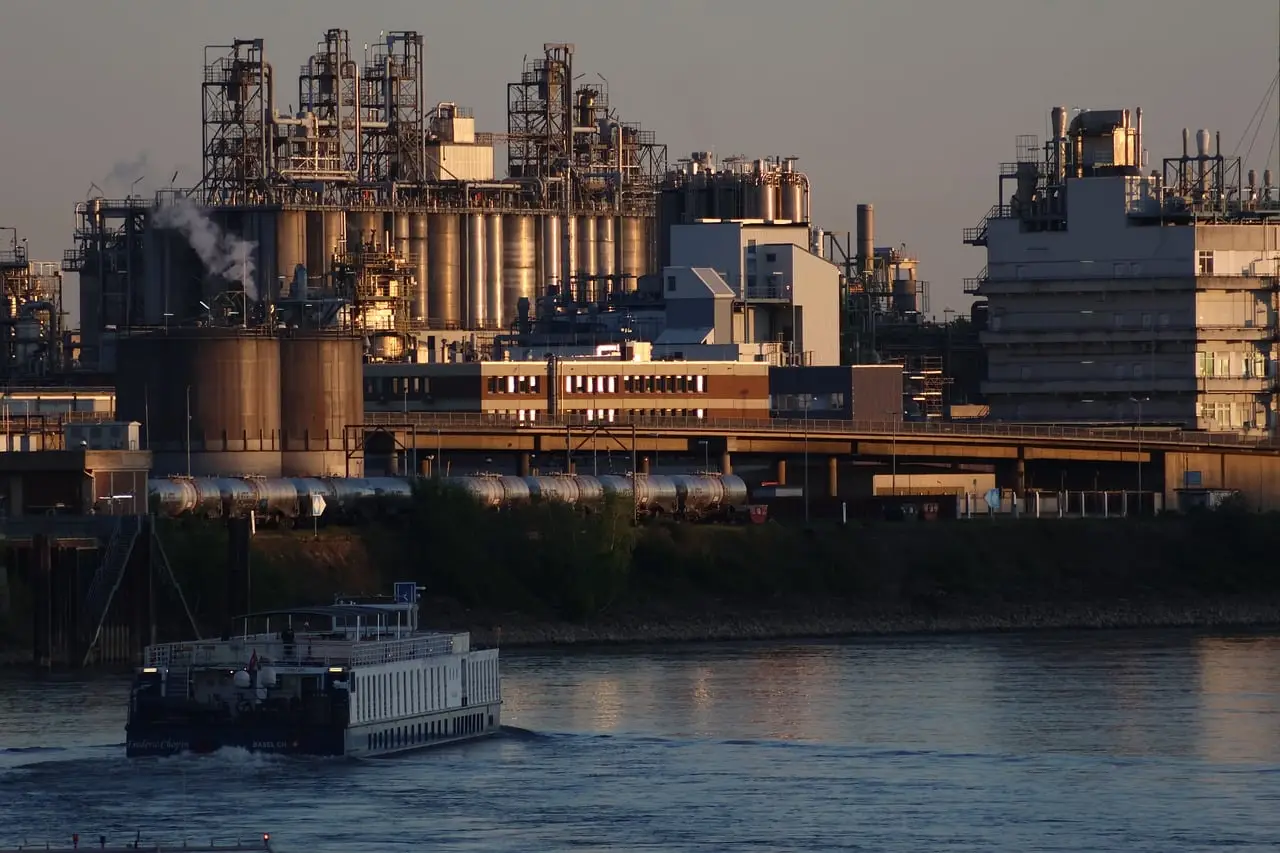
A Fifth Circuit panel on Thursday heard Texas's bid to revive Senate Bill 13, the 2021 statute that bars the state from investing in, or signing contracts worth $100,000 or more with, companies that boycott fossil fuels — the first major state law penalizing corporate climate initiatives.
The U.S. Court of Appeals for the Fifth Circuit, sitting in a panel of three Trump appointees — Circuit Judges Cory Wilson, Andrew Oldham and Don Willett — took the case under submission without indicating when it will rule. At stake is a February injunction issued by U.S. District Judge Alan Albright of the Western District of Texas, who held that the law violates the First Amendment; a separate Fifth Circuit panel has already stayed that judgment pending appeal.
What does the fight turn on?
The dispute centers on a single statutory phrase. Under SB 13, a company boycotts fossil fuels if it takes "any action that is intended to penalize" fossil fuel companies. The plaintiff, American Sustainable Business Council, a coalition of businesses advocating sustainable practices, argues that language sweeps in anti-fossil-fuel speech.
Judge Wilson pressed Beth Klusmann of the Texas Attorney General's Office on the comptroller's track record — specifically, the blacklisting of BlackRock for speech critical of fossil fuels even though the firm still invests in fossil fuel companies. Texas added BlackRock to its blacklist in 2022, then removed it after the firm withdrew from environmental initiatives such as Climate Action 100+, which aim to reduce corporate greenhouse gas emissions.
Klusmann told the panel a company can boycott under the law's definition while still investing, if it holds fossil fuel companies to different standards. She offered an analogy: "In the context of, for example, a discrimination case under Title VII, you can hire women and still discriminate against them by holding them to higher standards, by paying them less." The same logic, she said, means a firm can invest in fossil fuel companies yet "require certain things of them that you don't require from other investments," conduct she called penalizing under the statute but "not focused on speech."
Is the 'ordinary business purpose' exemption workable?
The law exempts actions taken for "an ordinary business purpose." Wilson questioned whether that phrase is unconstitutionally vague, noting firms have been blacklisted despite giving commercial reasons for declining fossil fuel investments.
Klusmann answered that refusing to invest because of environmental harm, rather than a company's financial viability, falls outside the exemption. She leaned again on Title VII: "You can discriminate on the basis of sex if it is a bona fide occupational qualification, such as, for example, a sex-segregated locker room attendant." A prejudiced rationale dressed as a qualification, she argued, is exactly what the comptroller is empowered to see through.
Rachel Nguemaha, for the American Sustainable Business Council, countered that carving commercial actions out of the boycott definition is self-defeating, because it "takes out commercial actions from the core of the definition, so you're left with essentially a null set unless you include expressive activity."
Oldham pushed back. Without the exemption, he said, "there could be any number of business decisions that would be eminently reasonable because you looked at P/E ratios or whatever." Business managers, he observed, spend every day deciding to be long one asset and exclude another: "That's the essence of being an investment advisor."
Does Texas have to invest over its objections?
The panel also tested the state's authority to direct its own investments. "Why does the state have to join your boycott?" Wilson asked, suggesting the plaintiffs claim a right to compete for state funds "regardless of whether we hurt the state."
"It's not no matter what we do," Nguemaha responded. "It's that the state cannot penalize companies on account of their protected expression."
What does this mean for practitioners?
For financial firms and contractors, the outcome determines whether Texas can maintain divestment lists and contract exclusions keyed to climate positions. A reversal would reinstate the comptroller's enforcement apparatus nationwide's largest energy-producing state; an affirmance would embolden First Amendment challenges to the dozens of anti-ESG statutes that followed SB 13 after 2021. The stay already in place means the law remains operative while the court deliberates.
The takeaway: three Trump appointees signaled genuine doubt about the plaintiffs' theory, and the First Amendment injunction is far from safe.
via texastribune.org (Original)
More from Priya Raman
Show full bio
Staff writer covering companies, deals and strategy in International law and legal practice at Global Law Wire.
270 articles
Also before the court
- Suncor v. Boulder: A Structural Preemption Fight at the High Court
- Appellate Court Rejects NYC Greenwashing Claims Against Oil Majors
- Justice Alito Recuses From Supreme Court Climate Case
- Australian Court Rules on Coal-Mining Climate Impact; Industry Calls It 'a Blow'
- Alito Recuses From Climate Case as Trump Returns to Emergency Docket