Law report No. GLW-5657 · filed November 17, 2026
Regulation & EnforcementReported case
FDA Hits Caplin Steriles Plant With OAI Status After 10 Observations
FDA classifies Caplin Steriles' Gummidipoondi plant as OAI after 10 observations in an August 2026 audit, up from zero in 2024, while operations continue.
By Priya Raman3 min read631 words
Holding
- US FDA assigned OAI classification to Caplin Steriles' Gummidipoondi facility after an inspection from August 13-21, 2026.
- The inspection yielded 10 procedural observations, versus zero observations in the previous August 2024 FDA audit.
- Caplin Point reported FY26 revenue of ₹2,187 crore and net profit of ₹650 crore.
- Management says manufacturing and US product supply continue with no immediate material financial impact.
- Analysts flag escalation to a Warning Letter and delays to future approvals as key risks.
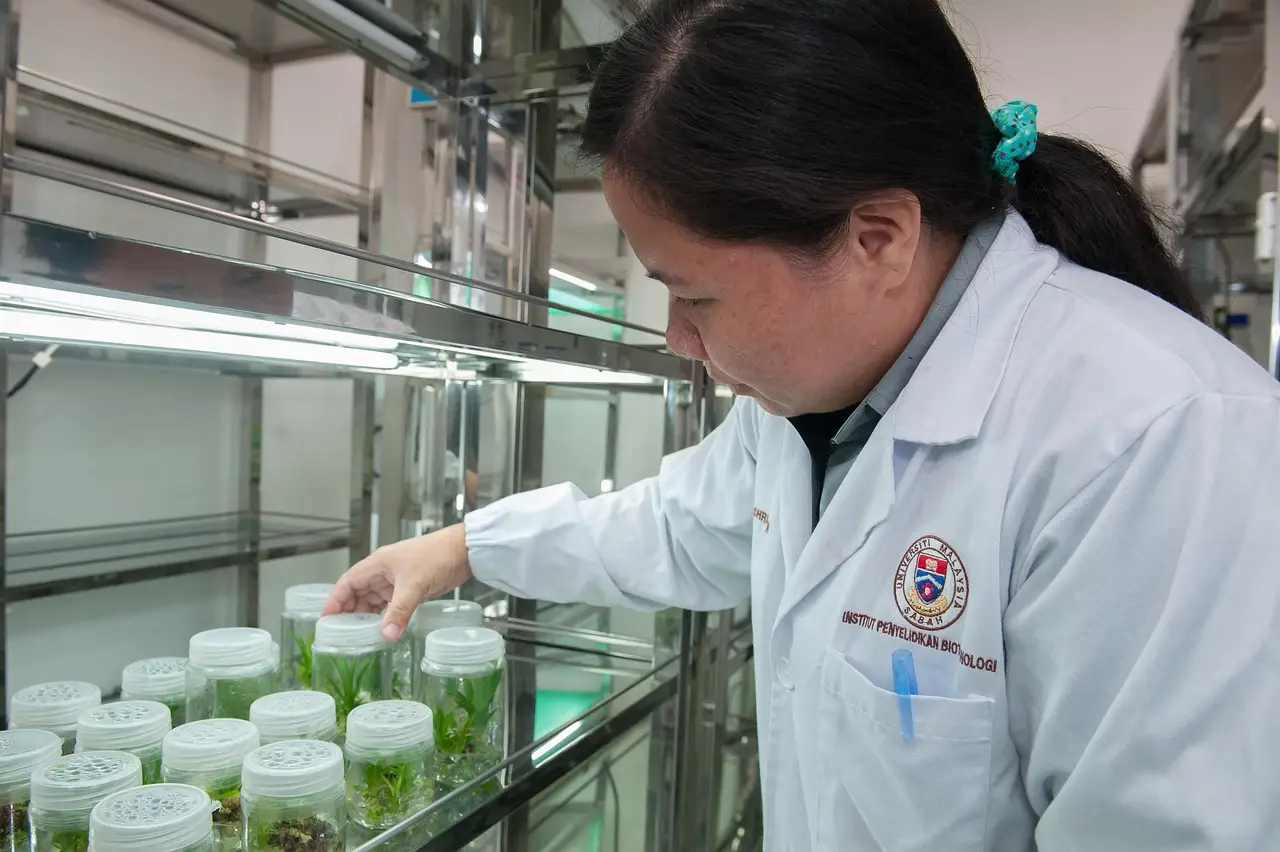
The US FDA has classified Caplin Steriles' injectable and ophthalmic manufacturing facility at Gummidipoondi, India, as Official Action Indicated (OAI), following an unannounced inspection that produced 10 procedural observations. The inspection ran from August 13 to August 21, 2026, and the classification marks a sharp reversal for a site that recorded zero observations in its previous FDA audit in August 2024.
Caplin Point Laboratories, the parent company, disclosed the classification and stated that manufacturing, product supply, and shipments from the facility continue uninterrupted. Management confirmed it expects no material impact on financials or operations in the immediate term. That assurance, however, addresses the present. It does not address what the FDA does next.
What does OAI classification actually mean?
An OAI designation signals that the FDA has identified regulatory and compliance issues serious enough to require corrective measures. It sits above Voluntary Action Indicated on the agency's inspection hierarchy, and it invites procedural friction until the regulator verifies resolution. For Caplin Steriles, the shift from a clean 2024 inspection to 10 observations in 2026 represents a meaningful deterioration, whatever the company's public posture suggests.
The company has not disclosed the substance of the 10 observations. All are described as procedural. Until the FDA communicates further, or the company publishes details, the severity of the findings remains unknown.
What are the practical consequences for practitioners?
Regulatory counsel for Caplin Point now faces a familiar but demanding sequence. The company must prepare and submit corrective and preventive action (CAPA) plans, respond to the FDA's findings, and likely undergo a follow-up re-inspection or formal regulatory communication before the OAI status clears. Facilities under OAI status undergo strict remediation processes to bring manufacturing protocols back into alignment with regulatory expectations.
The stakes extend beyond this single site. Key risks flagged by market analysts include:
- Escalation to a Warning Letter if the FDA deems the corrective actions inadequate;
- Potential delays in future product application approvals originating from the impacted unit;
- Increased operational and compliance expenditure to implement the procedural remedies.
Each risk carries a cost. None appears in the company's "no material impact" statement, which speaks only to the immediate term.
What is the financial backdrop?
Caplin Point Laboratories reported FY26 annual revenue of ₹2,187 crore, roughly USD 260 million, and net profit of ₹650 crore, approximately USD 78 million. The company's reassurance that shipments continue suggests existing US supply lines remain open while the OAI status is unresolved.
That distinction matters. Product already approved and flowing can continue. New approvals tied to the Gummidipoondi unit may face delay, and markets typically price that uncertainty quickly. Indian generic drug manufacturers serving regulated international markets depend heavily on FDA compliance status as a determinant of market valuation, and an OAI classification at a sterile injectables plant is precisely the kind of signal investors watch.
What happens next?
Market participants will monitor three trigger factors over the near term, defined by analysts as the next zero to three months:
- Submission and regulatory review of corrective and preventive action plans;
- Potential follow-up re-inspection or formal regulatory communication from the FDA;
- Quarterly financial updates tracking continuity of US product supply.
The market bias, per trading analysis accompanying the disclosure, is bearish for Indian pharmaceutical exporters despite management's assurances. An underweight position reflects the short-term regulatory overhang. Swift remediation and formal resolution remain the key drivers for restoring full regulatory compliance.
The bottom line
The FDA has spoken with a classification, not yet with enforcement. Caplin Point says business continues; the FDA has not yet said the matter is closed, and until corrective actions are verified, the OAI status stands as an unresolved liability for a company that two years ago passed the same facility without a single observation.
via sahi.com (Source)
More from Priya Raman
Show full bio
Staff writer covering companies, deals and strategy in International law and legal practice at Global Law Wire.
324 articles
Also before the court
- FDA Classifies Wanbury’s Tanuku API Plant OAI in November 2026
- CCPA Fines Just Dial ₹10 Lakh Over Ammonium Nitrate Listings
- India’s biodiversity law weakens Northeast oral knowledge safeguards
- EU Court Upholds Annulment of Titanium Dioxide Powder Classification
- EU Court Overturns Titanium Dioxide Classification