Law report No. GLW-3155 · filed October 20, 2026
Courts & TribunalsReported case
EU Court: Spanish Banks Must Refund Unauthorised Payments
The EU Court of Justice has ruled Spanish banks must refund unauthorised payments even where customers were careless, under the Payment Services Directive.
By Grace Kim2 min read459 words
Holding
- The Court of Justice of the European Union ruled Spanish banks must refund unauthorised payments.
- The ruling applies even where customers were careless.
- The decision interprets the EU Payment Services Directive.
- The case reached the EU court via a reference from a Spanish court.
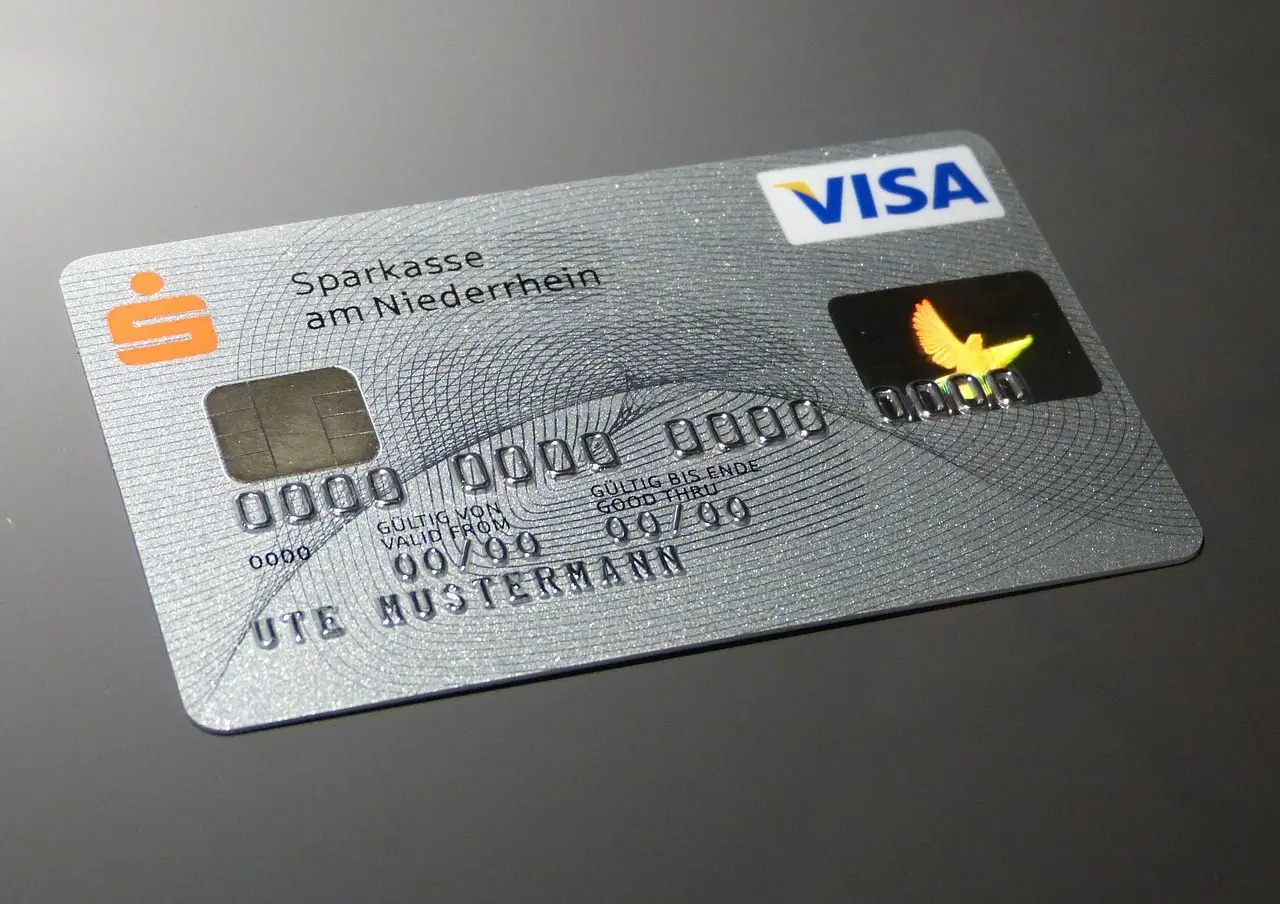
Spanish banks must refund unauthorised payments even when customers were careless, the Court of Justice of the European Union has ruled. The decision settles a question that has divided lenders and consumers across Spain. It came in a case referred from the Spanish courts concerning the EU Payment Services Directive.
The ruling addresses a familiar scenario. A customer loses money through a payment they never authorised. The bank resists refund, arguing the customer's own negligence broke the chain of liability. The EU court has now closed that door for payment service providers operating in Spain and, by extension, across the single market under the same directive.
What did the court decide?
The Court of Justice of the European Union held that carelessness by the customer does not extinguish the bank's obligation to refund unauthorised transactions. The directive obliges the payment provider to return funds taken without the user's consent. That duty stands even where the customer fell short of reasonable care.
The case reached the EU court through a reference from a Spanish court. Spanish judges asked whether customer negligence could defeat a refund claim under EU payment rules. The Luxembourg court answered that it could not.
The framework comes from the EU Payment Services Directive, which sets uniform rules for payment services across member states. The directive imposes strict refund obligations for unauthorised transactions.
The takeaway: carelessness is not a defence, and refunds for unauthorised payments remain the bank's burden.
What does the ruling change for practitioners?
For banking lawyers in Spain, the decision narrows the practical room to refuse refunds. Banks can no longer build a refusal on the customer's own sloppy conduct alone. Complaints handling, chargeback procedures and litigation strategies will need to reflect that.
Consumer-side practitioners gain a clear doctrinal anchor. Where a payment lacked authorisation, the refund claim survives the customer's negligence. That simplifies pleadings in the Spanish courts, which must now apply the EU ruling.
The decision also matters beyond Spain. The directive applies across the EU, so the reasoning travels to any member state with the same refund rules.
The takeaway: banks should review refund refusal policies now; consumers gain a stronger hand in unauthorised payment disputes.
What is the practical consequence for customers?
Customers who lost money through unauthorised transactions can press their claims with renewed confidence. A bank cannot point to the customer's carelessness as grounds to withhold the refund. The ruling protects consumers who clicked a phishing link, shared credentials, or otherwise exposed their accounts.
Spanish banks must now process refund claims for unauthorised payments on the merits of authorisation alone. Negligence arguments fail as a standalone defence.
The takeaway: if the payment was unauthorised, the customer gets the money back.
via GN EU Courts (Source)
More from Grace Kim
Show full bio
Correspondent covering companies, deals and strategy in International law and legal practice at Global Law Wire.
276 articles
Also before the court
- EU Court: Banks Must Refund Unauthorised Payments Immediately
- EU Court Requires Banks to Refund Unauthorized Transactions Immediately
- EU Court: Banks Must Refund Phishing Victims Before Proving Negligence
- EU Ruling Opens Door to Easier Bank Fraud Refunds
- EU Court Clarifies Flight Delay Compensation Rules for Passengers