Law report No. GLW-9488 · filed September 29, 2026
Courts & TribunalsReported case
EU Court Rules Against Lithuania's Sanctions on Russia-Linked Energy Firm
The EU's court has ruled against Lithuania over its sanctions on a Russia-linked energy company, testing the limits of national restrictive measures under EU law.
By Amara Osei4 min read793 words
Holding
- The EU court ruled against Lithuania in a dispute over its sanctions on a Russia-linked energy company.
- The judgment concerns the legality of a national sanctions measure under EU law.
- The decision gives designated entities a precedent for challenging member-state-level Russia sanctions in the EU courts.
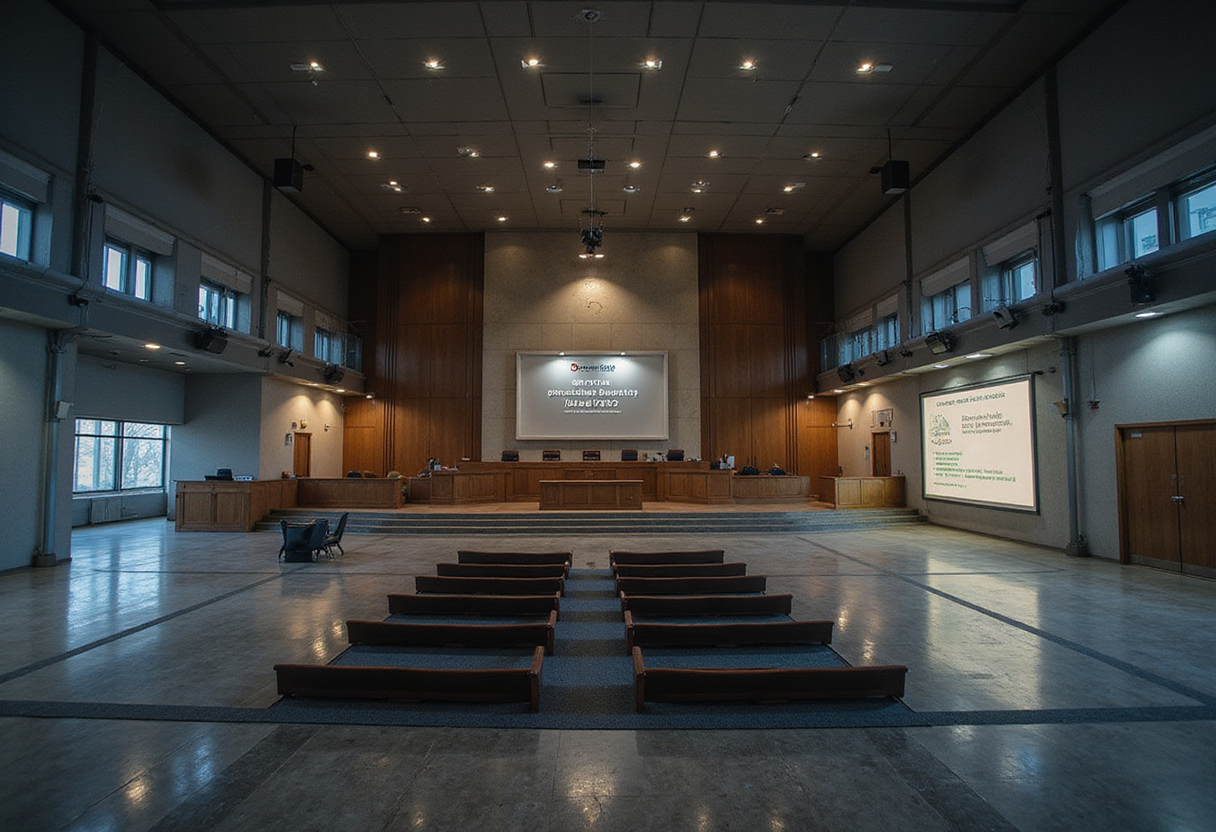
The European Union's court has ruled against Lithuania in a dispute over sanctions the Baltic state imposed on a Russia-linked energy company, delivering a significant judgment for national governments that apply restrictive measures against Moscow-linked businesses operating inside the EU.
The decision emerged from litigation brought by the affected energy company, which challenged the Lithuanian measures before the EU judiciary. The company argued that the national sanctions regime violated EU law. The court agreed with the challenger and ruled against Lithuania.
The judgment, reported by Lithuanian public broadcaster LRT, centers on the boundaries of national sanctions powers within the Union's legal order. Lithuania, one of the EU's most hawkish members on Russia policy since the full-scale invasion of Ukraine, has pursued an assertive course of national restrictive measures targeting Russian-linked interests in its economy, including the strategically sensitive energy sector.
That assertiveness has now met a judicial check. The ruling establishes that Lithuania's sanctions against the Russia-linked energy company did not withstand scrutiny under EU law.
The stakes
The case matters well beyond Lithuania. Since 2022, EU member states have layered national sanctions on top of the bloc's common restrictive measures against Russia. The EU's own sanctions regime is adopted collectively by the Council and implemented uniformly across the 27 member states. National measures that go further than the agreed EU framework occupy contested legal territory.
Companies designated under such national regimes have increasingly turned to the EU courts in Luxembourg to test their legality. This judgment gives such challengers a concrete precedent: a member state's Russia-related sanctions decision, at least in this instance, failed to pass legal muster.
For Lithuania, the ruling represents both a legal defeat and a policy embarrassment. Vilnius has positioned itself at the forefront of European efforts to sever economic ties with Russia, particularly in energy, where the country moved early to cut Russian electricity imports and to reduce dependence on Russian gas and oil. A court finding that one of its sanctions measures violated EU law hands ammunition to critics of national-level sanctions escalation.
Practical consequences for practitioners
Sanctions litigators and compliance teams should take several points from the decision. First, entities designated by individual member states under national powers — as opposed to those listed under EU Council regulations — may have viable routes to challenge those measures in the EU courts, and this judgment demonstrates that such challenges can succeed. Second, counsel advising Russia-linked businesses operating in EU jurisdictions should audit any national designations against the reasoning applied here to identify comparable vulnerability. Third, and on the other side of the table, government legal advisers drafting national sanctions measures will need to align them more carefully with EU law requirements to withstand judicial review. The judgment narrows the space in which member states can act unilaterally against Russian-linked interests without exposing their decisions to successful annulment actions.
The broader picture
The ruling arrives at a delicate moment for European sanctions policy. The EU has adopted successive packages of Russia sanctions since February 2022, targeting energy, finance, trade and individuals. Enforcement, however, happens largely at the member-state level, and national authorities have differed in how aggressively they pursue Russian-linked assets within their borders.
Courts in Luxembourg and in national capitals have repeatedly shaped that enforcement landscape through challenges brought by designated entities. Energy companies with Russian ownership or historical ties to Russian state enterprises have been among the most persistent litigants, because sanctions in that sector strike directly at core business operations — grid access, supply contracts, trading licences and corporate control.
Lithuania's case underscores the legal friction that arises when national security imperatives meet the Union's rule-of-law framework. The EU treaties leave member states significant room on foreign policy and national security, but that room is not unlimited, and the EU judiciary retains the power to police where national measures collide with Union law.
For the Russia-linked energy company at the center of the dispute, the judgment vindicates its decision to litigate rather than accept the designation. For Lithuania, the immediate question is whether it will amend its sanctions framework to comply with the ruling, appeal the decision, or pursue alternative legal instruments to achieve the same policy end.
What the judgment does not do is touch the EU's own collective Russia sanctions, which rest on a separate legal foundation adopted by the Council. The ruling speaks to Lithuania's national measure alone. Still, it will be read closely in every capital that has layered its own Russia restrictions on top of the common EU regime — and in every law firm that advises clients on which of those layers can be challenged, and where.
via GN EU Courts (Source)
More from Amara Osei
Show full bio
Senior reporter covering industry trends and analytics at Global Law Wire.
186 articles
Also before the court
- EU's Top Court Extends Russia Media Ban to Donation-Funded Bloggers
- CAS Rules FIDE Sanctions on Russian Chess Federation Insufficient
- Google Ordered to Pay €890 Million in EU Antitrust Ruling
- EU Top Court Dismisses Google's Appeal of €4.1 Billion Android Fine
- Panevėžys City Loses Appeal Against Lithuanian Antitrust Ruling