Law report No. GLW-5814 · filed September 29, 2026
Trade LawReported case
EU Court Rejects Poland's Bid to Suspend EU–Mercosur Trade Deal
The EU court has refused Poland's request to suspend the EU–Mercosur trade agreement, leaving the accord's legal status unchanged while the underlying challenge proceeds.
By Priya Raman3 min read569 words
Holding
- The EU court rejected Poland's application to suspend the EU–Mercosur trade agreement.
- The refusal of interim relief leaves the agreement's legal status unchanged.
- The refusal does not resolve the merits of Poland's challenge, which continues.
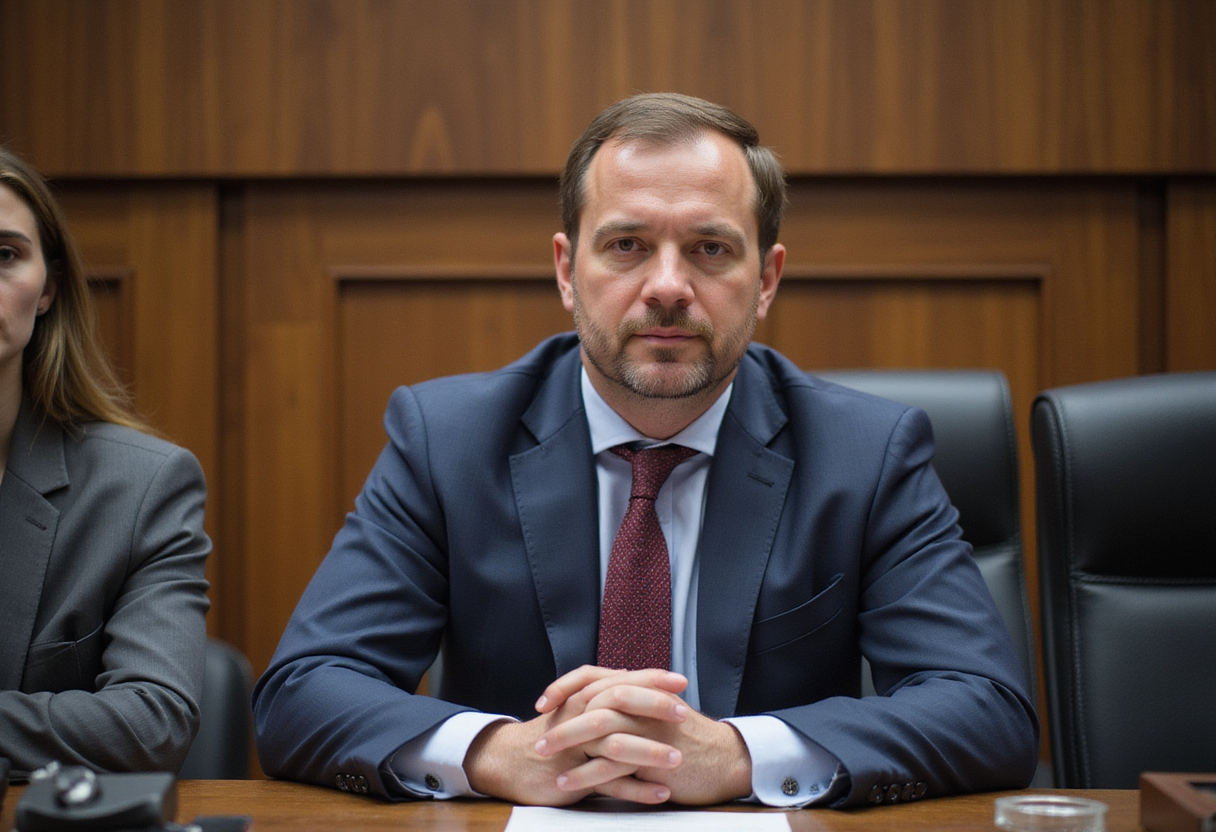
The European Union's court has rejected Poland's attempt to suspend the EU–Mercosur trade agreement, blocking Warsaw's bid to halt the accord's application while the underlying dispute proceeds.
The ruling concerns the trade agreement concluded between the European Union and the Mercosur bloc. Poland had asked the court to suspend the agreement — a form of interim relief sought pending a full examination of the case on the merits. The court refused that request, meaning the agreement's status under EU law remains unchanged for now.
What the court decided
The court declined to grant Poland the suspension it sought. The practical effect is straightforward: the EU–Mercosur trade agreement is not suspended. Poland's challenge to the agreement itself is a separate question, and the refusal of interim relief does not resolve the merits of that challenge.
Interim relief of this kind is an exceptional remedy. An applicant must persuade the court that the measure it seeks to block risks causing serious and irreparable harm, and that the balance of interests — including the public interest — favours suspension. The EU courts apply that test strictly, and suspensive orders against acts of the EU institutions are rare. Poland's application failed to clear that threshold in this instance.
The parties and the subject matter
Poland brought the action as a member state challenging an act of the European Union. The respondent side comprises the EU institutions responsible for the conclusion and application of the trade agreement with Mercosur, the customs union comprising the South American trading bloc.
The EU–Mercosur agreement has been one of the most contested trade files in recent EU practice. It has drawn opposition from several member states, agricultural lobbies and environmental groups. Poland's decision to seek judicial intervention reflects the depth of that opposition within the Union.
Consequences for practitioners
For legal advisers watching this file, the decision matters in three ways. First, it removes, at least for now, the prospect that a national government could freeze a concluded EU trade agreement through interim judicial relief. Second, it confirms that challengers to such agreements face a demanding test at the interim stage, whatever the strength of their arguments on the merits. Third, it signals that commercial and regulatory planning around the EU–Mercosur relationship can proceed on the basis that the agreement's legal position has not been altered by the litigation.
Companies and law firms advising clients with trading interests between the EU and Mercosur countries should note that the refusal of suspension does not endorse the agreement's substance, nor does it finally determine its legal fate. Poland's substantive challenge, and any parallel political processes among the member states, remain capable of affecting the agreement's longer-term trajectory.
What happens next
The litigation continues. Poland may pursue its case on the merits, and the usual procedural avenues — including possible appeal routes within the EU court system — remain available depending on the nature of the decision handed down. The court's rejection of the suspension request settles only the interim question: whether the agreement should be paused while the dispute runs its course. On that question, Poland has lost.
For now, the EU–Mercosur trade agreement stands. The political battle over its ratification and implementation within the European Union continues alongside the judicial one, and practitioners on both sides of the Atlantic will be watching both tracks closely.
via GN EU Courts (Source)
More from Priya Raman
Show full bio
Staff writer covering consumer brands and retail at Global Law Wire.
187 articles