Law report No. GLW-9674 · filed October 20, 2026
Courts & TribunalsReported case
English Court Rules Bitcoin Scam Billions Ownership Belongs in China
A court has ruled that ownership of bitcoin worth billions linked to a scam must be decided in China, not England, reshaping strategy for crypto fraud claimants.
By Marcus Bennett3 min read689 words
Holding
- A court ruled that ownership of bitcoin worth billions tied to a scam must be decided in China
- The ruling moves the substantive ownership determination out of the English courts
- English courts remain a venue for interim relief such as freezing orders in crypto fraud cases
- Practitioners must now run early forum analysis on China-linked crypto disputes
- Parallel proceedings in two jurisdictions raise cost and inconsistency risks for claimants
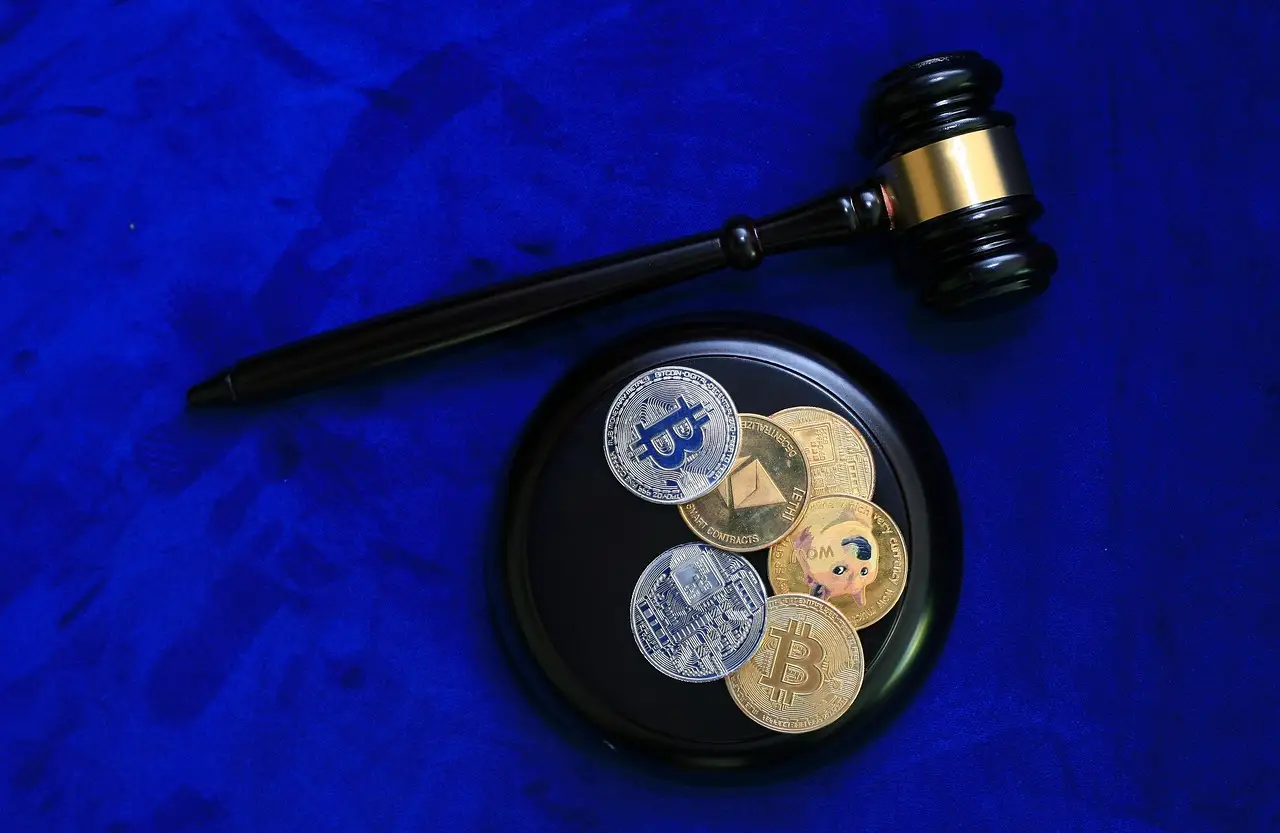
A court has ruled that ownership of bitcoin worth billions, tied to an alleged scam, must be decided in China rather than in England. The ruling, reported by The Law Society Gazette, determines that the courts of China are the proper forum for resolving who owns the disputed cryptocurrency. The decision hands a significant procedural victory to parties arguing that England is not the right place to litigate the underlying ownership question.
The case matters well beyond its parties. Cryptocurrency disputes now routinely cross borders, and victims of fraud often rush to the English courts because of their reputation for speed in granting asset-freezing relief. This ruling clarifies the limits of that strategy. Emergency orders can preserve assets. But the deeper question — who actually owns them — may have to be answered elsewhere.
What did the court decide?
The court held that the question of beneficial ownership of the bitcoin should be determined under Chinese law, in Chinese proceedings. In practical terms, England will not serve as the courtroom for resolving title to the billions in disputed coins.
That distinction sits at the heart of the ruling. Freezing stolen assets is one thing. Deciding who rightfully holds them is another. English courts have shown willingness to act quickly on the first task while declining, as here, to take on the second.
The Law Society Gazette's headline framed the outcome plainly: "Ownership of bitcoin scam billions must be decided in China, court rules."
Why does forum matter so much in crypto cases?
Cryptocurrency disputes frequently involve parties, servers, exchanges and victims scattered across multiple jurisdictions. Each connection becomes an argument about where the case should live.
For fraud victims, England has been an attractive forum. Its courts developed a body of case law treating cryptoassets as property capable of being traced and frozen. That jurisprudence encouraged claimants to anchor litigation in London.
This ruling signals a corrective. Where the ownership dispute has its centre of gravity in China — with Chinese parties, a Chinese-linked scheme and questions turning on Chinese law — the English court has said the determination belongs there. As the Gazette reported, the court ruled the ownership question "must be decided in China."
What does the ruling change for practitioners?
The practical consequence is strategic, not technical. Solicitors advising crypto fraud victims can no longer assume that obtaining English interim relief will keep the whole dispute in London. The ruling pushes practitioners toward a two-track approach.
That approach carries real implications:
- Freezing and tracing in England, title elsewhere. Interim relief may survive, but ownership litigation may need to proceed in China.
- Early forum analysis. Advisers must map connections to China — parties, contracts, governing law — before issuing proceedings in England.
- Coordination costs. Parallel proceedings in two jurisdictions raise expense, delay and the risk of inconsistent outcomes.
- Enforcement exposure. A Chinese ownership ruling may prove harder to enforce against assets or parties in England, and vice versa.
How does this fit the wider trend?
English courts have spent the past several years building a reputation as a leading venue for crypto litigation. Decisions recognising digital assets as property, and granting robust asset-freezing orders against unidentified fraudsters, drew claimants from around the world.
This ruling tempers that narrative. It suggests the English judiciary will police the boundary between interim assistance and substantive adjudication. Courts in other jurisdictions are drawing similar lines, forcing lawyers to think globally from the first client meeting.
For Chinese parties, the decision affirms the primacy of their own courts in disputes rooted in mainland activity. For international fraud practitioners, it complicates the playbook.
What comes next?
Parties to crypto fraud claims will watch how Chinese courts handle the ownership determination. Enforcement across borders, and any further English rulings on the scope of interim relief, will shape whether this decision becomes a template or an outlier.
What is certain is the direction of travel. As the sums grow — here, billions in bitcoin — so does the contest over where justice should be dispensed. This ruling has given that contest a clear answer in one case. Many more questions remain open.
By Marcus Bennett, Global Law Wire
via GN Law Society Gazette (Source)
More from Marcus Bennett
Show full bio
Market editor covering regulation, policy and their impact on International law and legal practice at Global Law Wire.
272 articles