Law report · filed November 22, 2026
Regulation & EnforcementReported case
Dimon vows to offset UK bank surcharge hike, calling it 'unfair'
Jamie Dimon says JP Morgan will claw back the £120m cost of the UK's surcharge doubling to 6%, calling the rise unfair and vowing to 'set an example' for governments.
By Grace Kim3 min read681 words
Holding
- UK bank surcharge rises from 3% to 6% in January as a temporary 15-month measure.
- JP Morgan expects to pay £120m more in tax from the increase, the FT reported.
- JP Morgan employs 23,000 people in the UK, including over 5,300 in Bournemouth.
- The planned £3bn Canary Wharf tower covers 279,000 sq metres and remains on track.
- UK banks pay 28% corporation tax, above the standard 25% rate.
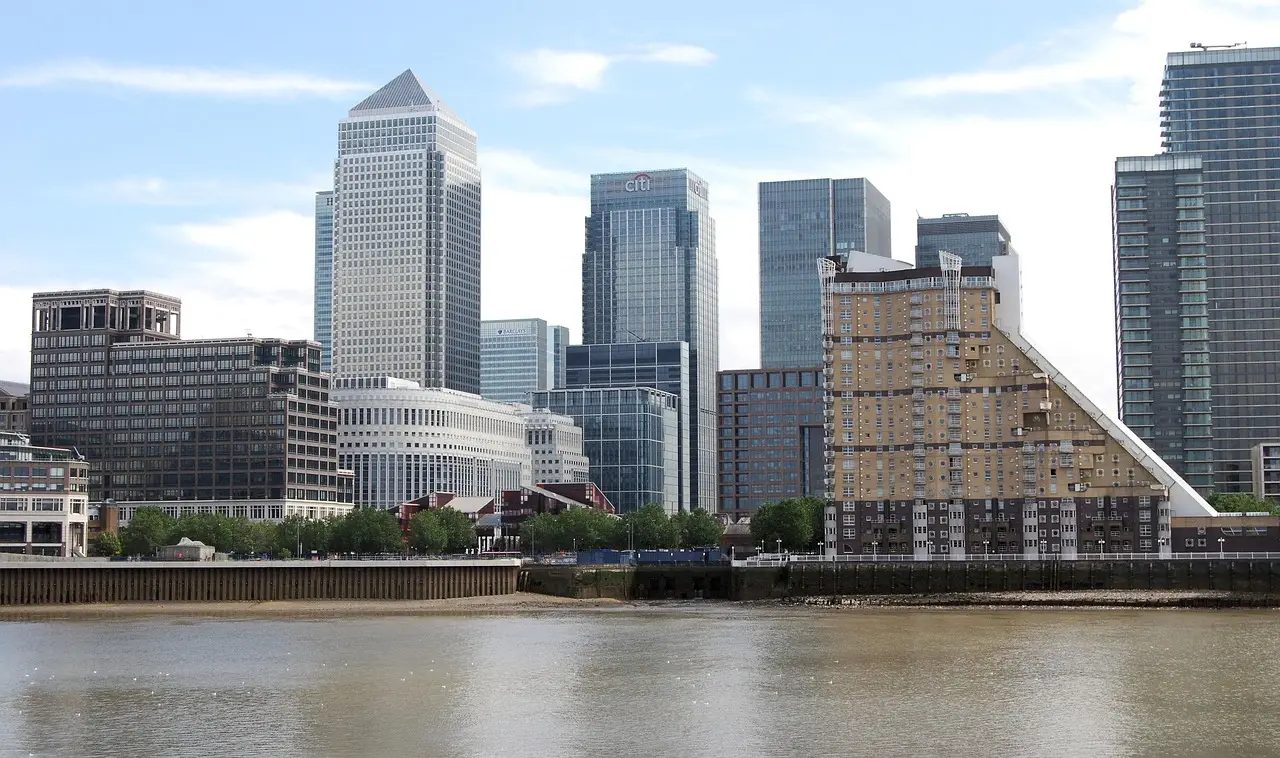
JP Morgan chief executive Jamie Dimon has said he will find ways to offset the UK chancellor's bank tax rise, calling the increase unfair and vowing to "set an example" for governments weighing similar measures.
Speaking at an event in London on Thursday, Dimon said he would seek to claw back the extra cost. His words, first reported by the Financial Times citing attendees, carried a pointed message: he was "setting an example so that [governments] understand the trade-offs of these unfair penalties."
What exactly is the tax change?
The bank surcharge will rise from 3% to 6% in January. The increase is a temporary 15-month measure announced by Chancellor John Healey in his inaugural budget in October.
UK lenders already pay a 28% corporation tax rate, three points above the standard 25%. The surcharge applies separately to their UK balance sheets. JP Morgan, the biggest bank in the US, expects to pay £120m more in taxes because of the increase, according to the FT.
The policy prompted a swift rebuke from the bank in October. JP Morgan said the measure "lacks principle" for singling out the sector, noting that it operates in a "highly competitive global marketplace."
Healey defended the move at the time. He said he was "looking to our banks to help fund breathing space for British families."
How will JP Morgan absorb the cost?
Dimon did not specify how the bank would make up the £120m. What he signalled instead was intent. He described the decision to push back as "more in sorrow" than in anger.
For tax and regulatory practitioners, the significance lies in the posture. A bank of JP Morgan's scale has ample room to adjust its UK footprint, compensation structures and booking locations. Dimon's comments signal that the largest players will treat unilateral sector taxes as costs to be engineered away rather than absorbed.
Bank share prices rallied after Healey's October announcement, because the increase came in below industry expectations. Markets shrugged; the chief executive did not.
The takeaway: Britain's largest foreign employers in banking now have explicit boardroom backing to restructure around the surcharge.
Does this threaten JP Morgan's UK footprint?
Dimon has lobbied the Labour government repeatedly against raising taxes on banks. In May, he suggested he could scrap plans for a new £3bn tower in London's Canary Wharf district, expected to serve as JP Morgan's UK headquarters.
The picture since the budget has been mixed:
- A source familiar with the matter told the Guardian in October that plans for the 279,000 sq metre (3m sq ft) building were still going ahead.
- The bank simultaneously attacked the policy's principle and invoked global competition for banking operations.
- JP Morgan employs 23,000 people in the UK overall.
The bank also runs a sprawling campus in Bournemouth. More than 5,300 staff there process over $1tn (£750bn) worth of global transactions each day. Earlier this month, the Guardian reported fears that the advance of artificial intelligence could put those jobs at risk.
That combination — a surcharge doubling, a flexible global footprint and AI pressure on processing roles — gives the bank several levers short of abandoning the UK. The Bournemouth operation, in particular, sits at the intersection of tax pressure and automation risk.
The takeaway: The headquarters project survives for now, but the tax fight gives JP Morgan fresh leverage over its long-term UK commitments.
What did JP Morgan say officially?
Nothing. The bank declined to comment on Dimon's remarks.
The silence is itself informative. Dimon spoke at a private London event, not a shareholder call. His message reached the press through attendees rather than official channels, allowing the bank to keep distance from the threat while the threat still lands.
For practitioners advising financial institutions, the episode underlines a simple shift. Sector-specific tax measures in the UK now face coordinated resistance from the largest employers, delivered through both public criticism and quiet restructuring.
The takeaway: Expect the largest banks to answer targeted taxes with targeted offsetting, not quiet acceptance.
via theguardian.com (Source)
More from Grace Kim
Show full bio
Correspondent covering companies, deals and strategy in International law and legal practice at Global Law Wire.
373 articles