Law report No. GLW-8210 · filed November 17, 2026
Regulation & EnforcementReported case
Deutsche Bank Ignored Compliance Warnings on Risky Clients, Leak Shows
A 15m-file leak reportedly shows Deutsche Bank ignored compliance warnings on oligarch clients and processed nearly $600m linked to Epstein. Shares fell 4%.
By Grace Kim4 min read712 words
Holding
- Investigations by Der Spiegel, FT, NYT and Le Monde drew on a leak of 15 million internal Deutsche Bank files.
- The bank allegedly processed almost $600m (£454m) in suspicious payments linked to Jeffrey Epstein.
- Deutsche Bank shares fell 4% on the German market on Tuesday after publication.
- The bank says it invested €7bn in its control environment between 2019 and 2025.
- A "most sensitive clients" list covered roughly 50 corporate clients ranked by proximity to the Kremlin.
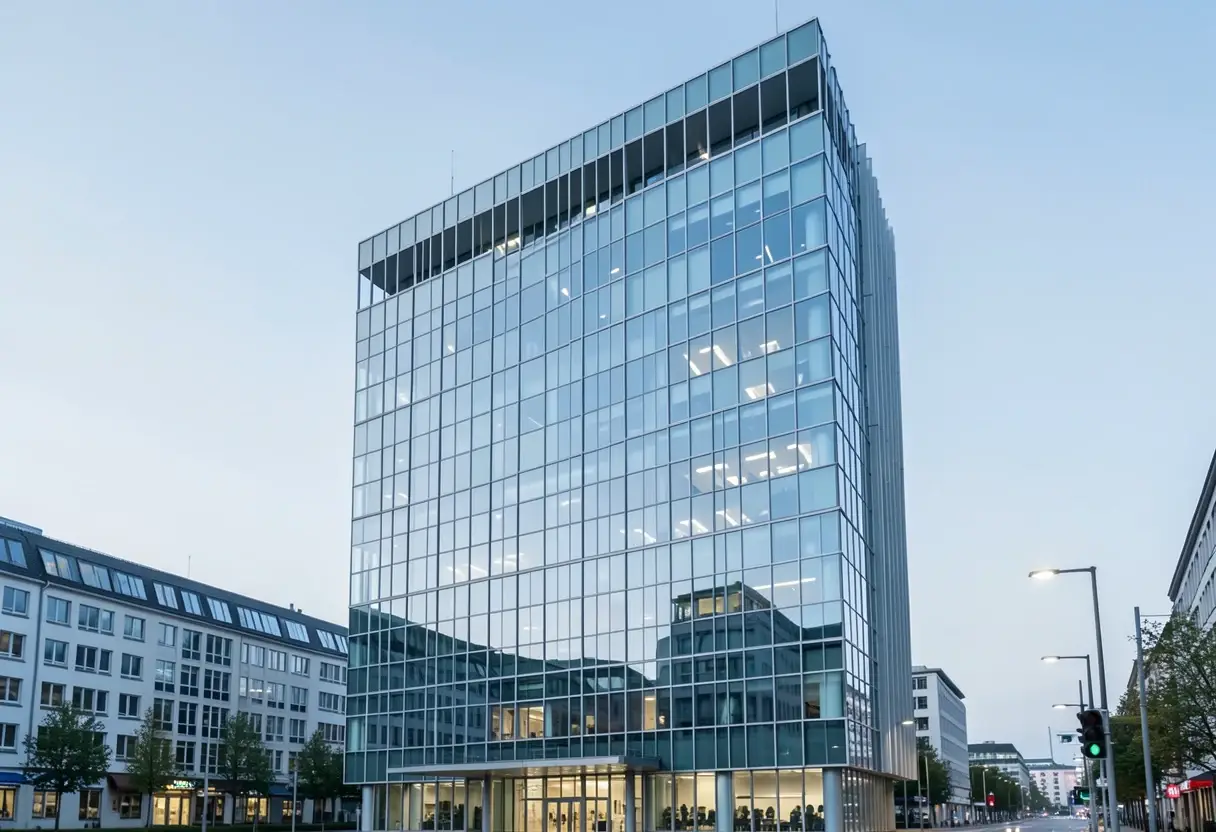
A leak of 15 million internal Deutsche Bank files shows the lender repeatedly dismissed its own compliance officers' warnings about risky clients, including Kremlin-linked oligarchs, according to investigations published this week by Der Spiegel, the Financial Times, the New York Times and Le Monde. The reports allege the bank prioritised profit over internal controls. The stories triggered a 4% drop in Deutsche Bank's German-listed shares on Tuesday.
No court or regulator ruled here. The findings come from journalists working through a trove of leaked bank documents. But the substance is squarely a compliance and enforcement story, and practitioners should read it that way.
What do the reports allege?
The investigations indicate Deutsche Bank ignored internal risk warnings despite having already been caught laundering billions of dollars for Russian criminals, spies and oligarchs between 2010 and 2015. The bank continued expanding its Russian business until 2021. That growth continued despite warnings from compliance staff and rising geopolitical tension between NATO allies and Moscow.
The reports said the bank resisted pulling out of Russia even after the Kremlin launched its full-scale invasion of Ukraine in February 2022. It then reversed course and exited the country in March that year.
Competitive pressure, including from American banks, allegedly drove the strategy. Chief executive Christian Sewing pursued growth through a list of customers known as the bank's "most sensitive clients." According to the Financial Times, that list covered roughly 50 corporate clients ranked by proximity to the Kremlin and by other risks, including financial crime.
Names allegedly on the list included:
- Gazprom, Russia's state-owned gas company
- Petrochemicals group Sibur
- Oligarchs including aluminium magnate Oleg Deripaska
What about Epstein and Trump?
Beyond Russia, the bank faces fresh scrutiny over Jeffrey Epstein. It allegedly processed almost $600m (£454m) in suspicious payments linked to the convicted sex offender. That figure is far higher than previously known.
Deutsche Bank said it "regrets [its] historical relationship" with Epstein and claimed "considerable investments in strengthening controls."
The reports also accuse the bank of accidentally leaking Donald Trump's tax documents to another client during his first term as president. The bank allegedly kept the breach secret from the White House. Deutsche Bank said it does not comment on former or existing client relationships. It cut ties with Trump in 2021.
The takeaway: the leak spans the bank's most contested relationships, and each strand carries potential regulatory exposure.
How did Deutsche Bank respond?
The bank issued a public statement on Tuesday. It said the issues raised "date back many years, in some cases as much as two decades" and had been addressed by its leadership.
"Where relevant, we reviewed these matters at the time and worked closely with regulators," the bank said.
Deutsche Bank said it had "gone through a fundamental transformation" under Sewing. It cited record profits in 2025 and recent quarters as evidence of restored sustainable profitability.
The bank quantified its remediation: €7bn of direct investment in its control environment between 2019 and 2025.
"We remain committed to ensuring continuous enhancements of our control environment and a culture of integrity and completing any outstanding remediation," the statement said.
The bank also pushed back on the leak itself. "Regardless of how the information was obtained, it includes confidential information about clients, employees and other third parties, which remains legally protected," it said. "We have acted, and will continue to act, decisively to protect this."
What does this change for practitioners?
For compliance teams, the reports sharpen the argument that documented internal warnings, once leaked or subpoenaed, become the core evidentiary record in enforcement matters. Banks facing legacy-risk reviews should assume historical compliance escalations may surface years later, in full context, regardless of remediation since.
For Deutsche Bank's counsel, the immediate work is defensive. The Epstein payment figure, the alleged Trump document leak, and the "most sensitive clients" programme each invite supervisory questions on both sides of the Atlantic. The bank's own statement confirms it "worked closely with regulators," a signal that some matters already sit within active regulatory processes.
The share-price reaction, 4% in a single session, shows markets still price governance risk at legacy-scandal institutions. In plain terms: the bank's past is once again its most expensive asset.
via theguardian.com (Source)
More from Grace Kim
Show full bio
Correspondent covering companies, deals and strategy in International law and legal practice at Global Law Wire.
320 articles
Also before the court
- German Public Prosecutor Opens Probe Into Berlin's 'Russia House'
- Germany Opens Nord Stream Sabotage Trial as 'War Crime'
- German Regulator Fines Commerzbank Over Anti-Money Laundering Failures
- Nord Stream Trial Puts German-Ukrainian Alliance Under Strain
- Scandal Threatens Ukraine War Crimes Investigations, IWPR Reports