Law report · filed November 26, 2026
Regulation & EnforcementReported case
CMA orders shake-up of £8bn private dentistry market
The CMA has called for a shake-up of the UK's £8bn private dentistry market, citing 7% annual price rises, sales targets for pricier treatments and patients unable to shop around.
By Sophie Lindqvist4 min read788 words
Holding
- The CMA found prices at large dental groups rose about 7% a year on average between 2023 and 2025.
- About 60% of UK patients pay for at least some private dental care, including many on low incomes.
- A composite filling costs about 36% of mean weekly disposable income in the north-east of England.
- One in six private dental practices publishes no online price list.
- The CMA's final report, due in March, will set out a wide-ranging package of market remedies.
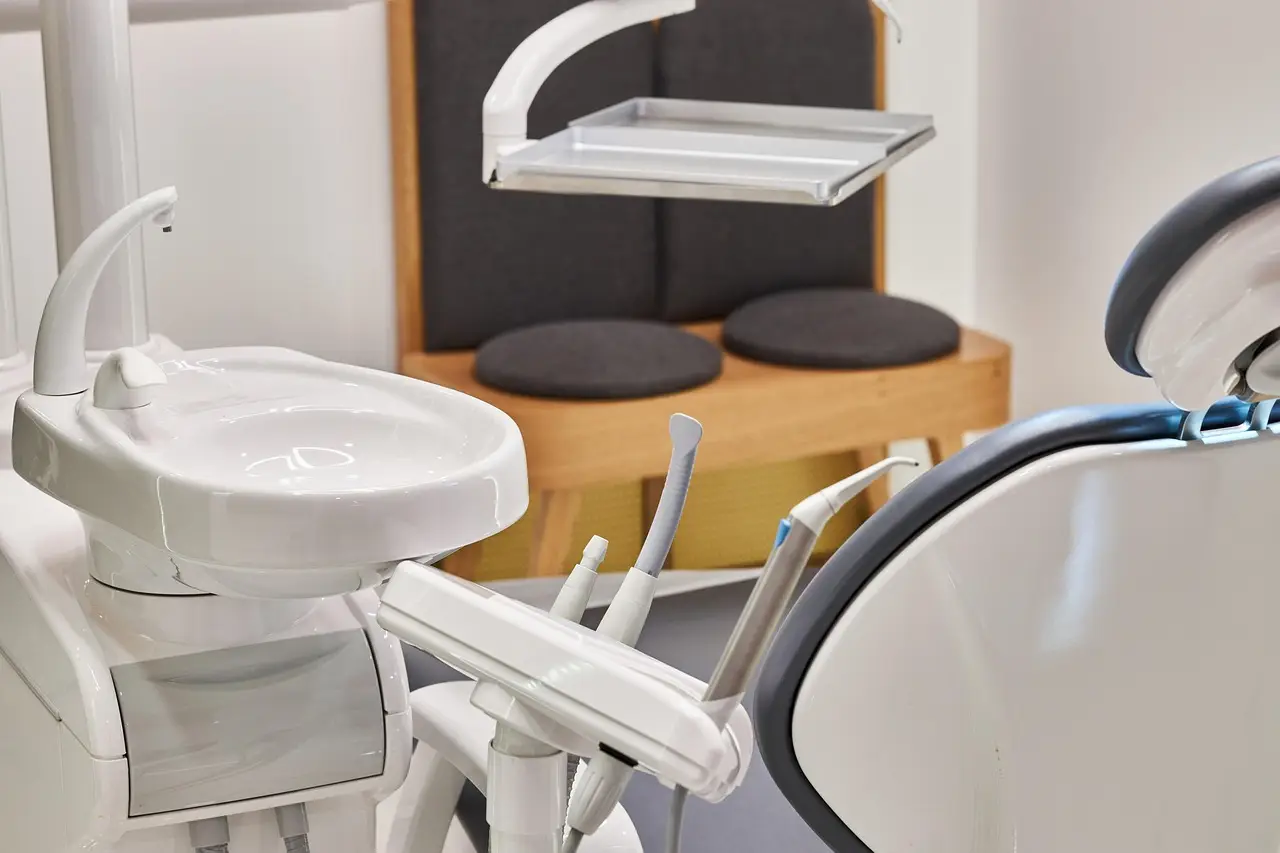
The Competition and Markets Authority has called for a shake-up of the UK's £8bn private dentistry market after an interim investigation found a "catalogue of concerns". The watchdog published its findings on 18 December 2025, and a final report with a full package of remedies is due in March.
The CMA identified commercial practices, targets and incentives that "may not operate in patients' best interests". It found inflation-busting annual price rises, evidence of targets to convert NHS patients to private care, and sales pressure on more expensive treatments and dental payment plans.
What did the investigation find?
The interim report documents a market where prices climb faster than wages, information is patchy, and dentists hold a financial stake in the treatments they sell. Dentists typically share in treatment revenues, either as practice owners or through revenue-sharing arrangements, the CMA said.
"We have also seen evidence of targets to convert NHS patients to private care, sell more expensive treatments, and increase sales of dental payment plans," the CMA stated. "Together, these incentives and practices create a risk that patients are sold treatments that are not in their best interests."
The headline numbers:
- Prices at large dental groups rose by an estimated 7% a year on average between 2023 and 2025, well ahead of inflation and wage growth.
- About 60% of patients across the UK now pay for at least some private dental care, including many on low incomes.
- One in six private dental practices does not publish price lists online.
- The estimated dentist job vacancy rate in England stands at about 8%, against a 2% rate across the UK economy.
- The UK has fewer dentists per head than most other European countries.
Costs across the industry have led some people to delay treatment or go without it altogether, the report found.
How big are the price gaps?
Substantial, and they exist even within a single town. A composite white filling costs about 36% of mean weekly disposable income in the north-east of England and 35% in Wales.
In Preston, prices advertised online for a composite filling range from £80 to £223. In Caerphilly, an amalgam filling costs anywhere between £72 and £159.
"Some variation is to be expected, but the CMA is concerned that people are paying more than they should because they are unable to shop around," the report said. Patients struggle to "confidently shop around and get a good deal".
The report also noted "substantial variation in indicative profit margins between dental practices". Practices primarily serving NHS patients do not necessarily earn lower profit margins, the data suggests.
What does the report change?
For now, nothing binding. This is an interim report (a preliminary finding before a final decision), so no enforcement action or remedy has landed yet. The CMA is working with governments across the UK to finalise a wide-ranging package of measures to change how the market operates.
The most significant proposal targets the state itself. The CMA said the government should play a more direct "market-shaping role", using its position as a major purchaser and commissioner of dentistry to "influence incentives and outcomes" for private and NHS patients alike. In practice, that means procurement leverage, not new rules for individual practices, at this stage.
For practitioners and their advisers, the direction of travel matters now. Practices that publish no price lists, run conversion targets from NHS to private care, or push payment-plan sales are on notice that the final report in March may name specific remedies. Compliance and commercial teams at large dental groups should expect scrutiny of incentive structures and pricing disclosure when the final package arrives.
What did the CMA chief executive say?
Sarah Cardell, chief executive of the CMA, set out the watchdog's reasoning in a direct statement.
"Millions of people across the UK rely on private dentistry as an essential service, but the market isn't working well for them," Cardell said. "People can't easily compare and switch between providers, dentists are in short supply, commercial incentives to grow revenues may not operate in the patients' best interests and there are weaknesses in the regulatory framework. As a result, many people are struggling with affordability, and those on lower incomes and in certain parts of the UK are hardest hit."
That last point anchors the distributional concern. Lower-income patients and those in certain regions bear the heaviest burden, and the 60% figure shows private dentistry is no longer a premium service for the few but an essential service for the majority.
The CMA will publish its final report in March. Until then, the interim findings stand as findings, not orders, and the market operates under watch rather than sanction.
via theguardian.com (Source)
More from Sophie Lindqvist
Show full bio
News editor covering people, launches and day-to-day practice in International law and legal practice at Global Law Wire.
385 articles
Also before the court
- CMA Urges Procurement Reform and Stronger Action on Bid Rigging
- UK Court of Appeal Overturns Ruling in Pfizer-Flynn Antitrust Case
- Medtronic Ordered to Pay Nearly $382 Million in Antitrust Case
- Card Firms Face Fresh Collective Claim at Competition Appeal Tribunal
- Sullivan & Cromwell Leads UK NQ Pay at £181,000 as 2027 Table Released