Law report No. GLW-6535 · filed November 18, 2026
Regulation & EnforcementReported case
California DMV Bans Waymo Driverless Cars From All State Freeways
California's DMV has barred Waymo from operating or testing driverless vehicles on all state freeways, citing an 'imminent hazard' after construction zone incursions on 5 and 6 November.
By Grace Kim3 min read674 words
Holding
- The California DMV banned Waymo driverless vehicles from all state freeways last Wednesday, citing an 'imminent hazard.'
- Three Waymo vehicles entered an active construction closure south of San Francisco on 5 November; a highway patrol incident followed on 6 November.
- Similar construction zone incursions had already occurred on 18 May, according to the DMV.
- Waymo says it has temporarily restricted freeway operations across all its markets while it evaluates performance.
- Restrictions remain until Waymo demonstrates effective corrective actions to the department.
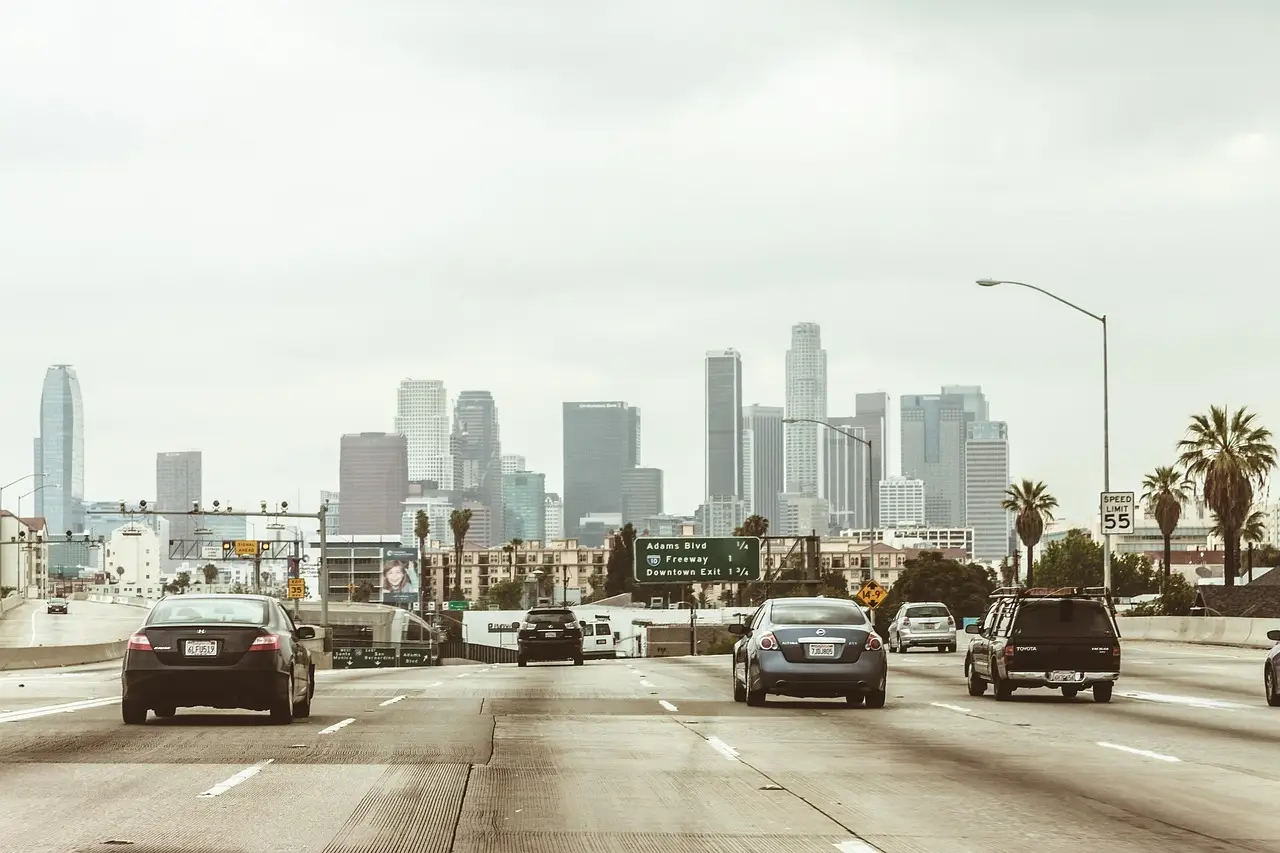
California has banned Waymo's driverless vehicles from every freeway in the state, effective last Wednesday, after regulators concluded the company's autonomous operations pose an "imminent hazard to public safety."
The California Department of Motor Vehicles issued the restrictions following a string of incidents involving Waymo vehicles on Bay Area highways. DMV spokesperson Jonathan Groveman said the order bars Waymo from "operating or testing its driverless vehicles on all California freeways."
What triggered the ban?
The immediate catalyst was a pair of incidents on consecutive days in early November. On 5 November, three Waymo autonomous vehicles "entered an active construction closure" south of San Francisco. The next day, 6 November, another Waymo vehicle was involved in an incident with California highway patrol vehicles on a San Francisco highway.
Video of the 6 November encounter circulated widely on social media last week. The footage shows a Waymo vehicle attempting to bypass highway patrol vehicles conducting a traffic break.
The department also pointed to earlier conduct. Groveman said "similar incidents" occurred on 18 May, indicating a pattern rather than an isolated failure.
"The department determined that Waymo's driverless freeway operations pose an imminent hazard to public safety due to recurring incursions by its vehicles into active construction zones where construction workers, vehicles and equipment are present," Groveman said in a statement.
The takeaway: the regulator grounded the ban on a documented pattern of construction zone breaches, not a single event.
How did Waymo respond?
A Waymo spokesperson said the "recent freeway construction zone encounters on US 101 in California" did not "involve any injuries or collisions" and that the company prioritized safety.
The company has gone beyond California's order. "In alignment with our safety-first principles, we have also temporarily restricted freeway operations across our other operating markets to evaluate our performance," the spokesperson said.
Waymo is also engaging with regulators. "We are working with the California DMV and other state officials diligently and responsibly to resume freeway operations," the spokesperson said.
City street service continues unchanged in California, according to the company.
The takeaway: Waymo voluntarily paused freeway driving nationwide while it negotiates a path back with the DMV.
What does the ruling change for practitioners?
For regulatory and autonomous vehicle counsel, the order shows how state DMVs can use hazard-based findings to suspend operational authority quickly and without an adjudicated violation. The ban covers both commercial operation and testing, and it reaches every freeway in California, not just the corridors where the incidents occurred. Companies advising AV operators should note the evidentiary posture: repeated incursions into active work zones, documented across multiple dates, formed the basis for the finding. Practitioners handling permit compliance will want to audit construction zone detection protocols and incident reporting pipelines, because the reinstatement standard turns entirely on the regulator's satisfaction with corrective action.
The takeaway: the DMV framed this as a public safety suspension with an open-ended timeline tied to demonstrated fixes.
When can Waymo drive on freeways again?
The restrictions have no fixed end date. They will remain in effect until "Waymo demonstrates to the department that it has taken effective corrective actions to address the deficiencies that precipitated the restrictions," Groveman said.
That standard leaves the DMV as the sole judge of sufficiency. Waymo must prove its vehicles can handle active construction zones, traffic breaks and similar highway conditions before freeway privileges return.
How big is the footprint?
Waymo, a subsidiary of Alphabet, operates the largest fleet of self-driving cars in the US. The company expanded its autonomous vehicles onto freeways and interstates around San Francisco, Los Angeles and Phoenix last year, making California's restriction a significant rollback of that national footprint.
For now, the company's freeway operations are paused well beyond California's borders. The voluntary nationwide pause, combined with the mandatory state ban, leaves Waymo's city street service as its core operating business while the review proceeds.
The takeaway: the largest US robotaxi operator is off limited-access highways indefinitely, pending regulator-approved corrective action.
via theguardian.com (Source)
More from Grace Kim
Show full bio
Correspondent covering companies, deals and strategy in International law and legal practice at Global Law Wire.
325 articles
Also before the court
- California Sues OpenAI, Alleging Lost Control of AI Agents Over 80 Times
- California Expands Workplace AI Rules Beyond CCPA ADMT
- California Regulators Announce Largest CCPA Fine to Date
- California Eyes Higher Privacy Fines and Age Assurance Rules
- California sues OpenAI over allegedly dangerous AI model testing