Law report No. GLW-3160 · filed October 10, 2026
Courts & TribunalsReported case
BYD US Units Sue Pentagon Over Lobbying Ban Linked to Chinese Military Tag
Two Pasadena-based BYD subsidiaries sued the U.S. Defense Department on Monday, arguing a June 30 federal statute tied to their 'Chinese military company' designation violates the First Amendment.
By Amara Osei3 min read601 words
Holding
- BYD Motors LLC and BYD America LLC filed suit in the Central District of California on Monday.
- The challenged lobbying statute took effect June 30.
- The Defense Department designated BYD Group as a Chinese military company in June.
- BYD's Lancaster, California electric-bus plant employs more than 1,000 American workers.
- The subsidiaries are represented by O'Melveny & Myers LLP in Los Angeles.
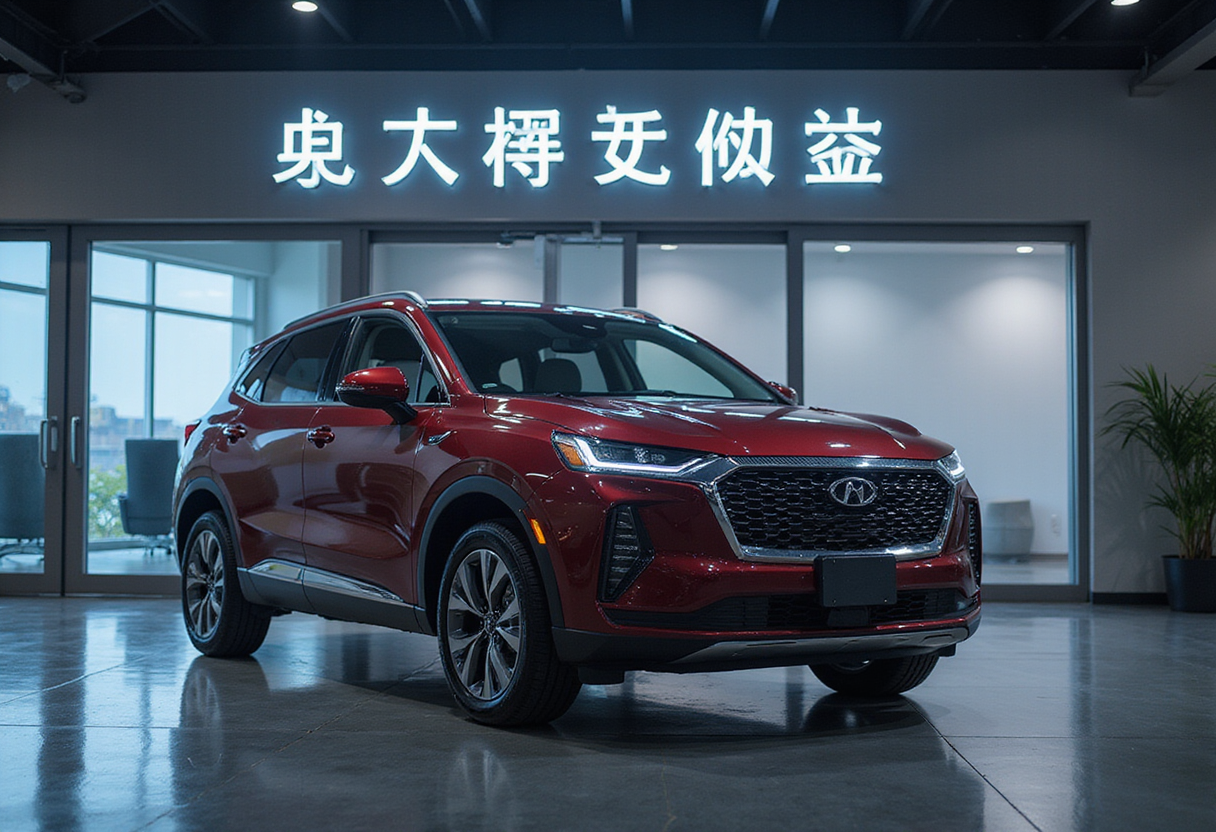
Two U.S. subsidiaries of China's BYD Group sued the U.S. Defense Department in Los Angeles federal court on Monday, challenging a federal lobbying prohibition tied to the company's June designation as a "Chinese military company."
BYD Motors LLC and BYD America LLC, both based in Pasadena, California, filed the complaint in the Central District of California. They target the statute titled "Prohibition on Contracting with Covered Entities that Contract with Lobbyists for Chinese Military Companies," which took effect June 30.
What is BYD's core legal argument?
The lobbying prohibition bars the Defense Department from contracting with any entity that retains a lobbying firm also representing designated CMCs. BYD asserts the statute, cited as § 4663 in the complaint, violates the First Amendment on its face and as applied to BYD. The company says the rule has made routine advocacy impossible.
"Like countless companies whose interests are affected by legislative and regulatory developments, BYD has, for years, retained lobbyists to advocate for its interests in the political arena," the complaint states. "Those lobbyists have now informed BYD they can no longer represent it due to § 4663."
What does the Pentagon designation rest on?
The Defense Department placed BYD Group on the CMC list in June. Among the cited grounds was the group's affiliation with China's Ministry of Industry and Information Technology.
BYD rejects that characterization. "BYD Group is not a military company and has no relationship with any country's security sector," the complaint says. "DoD's memo designating it as a CMC does not contend otherwise."
The complaint continues: "Instead, the department designated BYD Group a CMC based on routine commercial activities and incidental contacts with Chinese regulators—conduct typical of virtually every prominent company that does business in China."
One factor, according to the filing, was BYD's listing on a Chinese green-vehicle tax-incentive registry. The same registry included vehicles from Volkswagen, Mercedes-Benz, BMW, Toyota, Tesla, and Honda, BYD notes. The criteria could sweep in much of the global auto industry, the company argues, without serving any government interest in military secrecy.
Why does BYD say the ban impedes broader advocacy?
Beyond defending against the CMC designation, BYD claims the lobbying bar also blocks its work on three additional fronts:
- Pending federal legislation to bar U.S.-based automakers with Chinese parent companies
- Restrictions on the use of federal transit funds to purchase its American-built buses
- Agency rule-making affecting its technological supply chain
The subsidiaries describe the statute as unconstitutional both facially and as applied.
What is BYD's U.S. footprint?
Through its California subsidiaries, BYD operates an electric-bus assembly plant in Lancaster, California, employing more than 1,000 American workers. The group also sells batteries, solar panels, and energy storage systems across North America.
What relief does BYD seek?
The two subsidiaries ask the court to declare the lobbying prohibition unconstitutional under the First Amendment, on its face and as applied. They are represented by attorneys at O'Melveny & Myers LLP in Los Angeles.
A Pentagon spokesperson declined to comment on pending litigation.
Practical consequence for practitioners
For government contracts lawyers, the case tests the boundaries of congressionally imposed restrictions on private lobbying activity that piggyback on agency blacklisting. The ruling will shape how U.S. subsidiaries of designated firms—Chinese or otherwise—structure outside-government affairs work going forward.
A federal judge in Los Angeles will now weigh whether the lobbying statute survives constitutional review. The decision will carry weight for every other company currently on, or potentially added to, the Pentagon's CMC list.
via Courthouse News (Source)
More from Amara Osei
Show full bio
Senior reporter covering industry trends and analytics at Global Law Wire.
186 articles
Also before the court
- Supreme Court to Hear Cisco Case on ATS, TVPA Aiding-and-Abetting Claims
- CSRC Targets First Overseas Listing Rule Breaker Since 2023 Regime Took Effect
- WTO Panel Rules for China Against US Clean Energy Subsidies
- China Withdraws SEP Injunction Policy After WTO Ruling
- WTO Panel Rules Against US in China Clean Energy Subsidies Dispute