Law report No. GLW-1507 · filed October 10, 2026
Human RightsReported case
Belarusian Parliament Passes Russian-Style Ban on 'LGBT Propaganda'
The Belarusian Parliament has passed a Russian-inspired law banning 'LGBT propaganda,' aligning national legislation with Moscow's restrictive framework on public expression.
By Grace Kim2 min read435 words
Holding
- The Belarusian Parliament has passed a law banning 'LGBT propaganda.'
- The legislation is modeled on Russia's restrictions, first adopted there in 2013 and expanded in 2022.
- The law affects media, advertising, and public expression in Belarus.
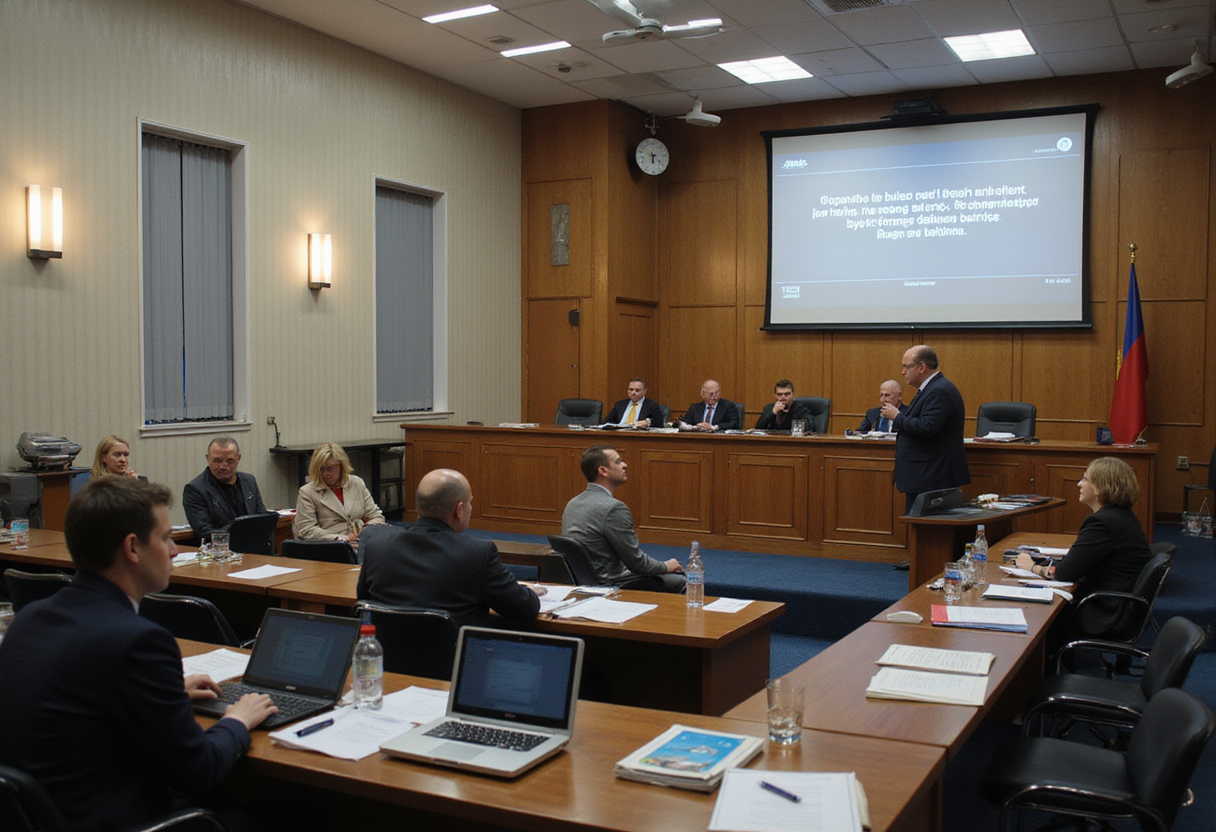
The Belarusian Parliament has passed a law banning so-called "LGBT propaganda," legislation that mirrors restrictive measures previously enacted in Russia, Novaya Gazeta Europe reports.
The bill's adoption places Belarus firmly in line with the legal trajectory set by Moscow, which has progressively tightened its own prohibitions on the public representation of LGBT identities over the past decade. Belarusian lawmakers have now transposed that framework into national legislation.
What does the new law do?
The statute targets the promotion — or, in the language of such laws, "propaganda" — of LGBT relationships and identities in public spaces. Laws of this type typically restrict depictions and discussion of non-heterosexual relationships in media, advertising, and materials accessible to minors.
The Belarusian measure follows the Russian legislative template, under which similar bans began with restrictions aimed at protecting minors and later expanded to cover adult audiences and public expression more broadly.
Why does the Russian model matter?
Russia pioneered this form of legislation in 2013, when it banned the promotion of "non-traditional sexual relationships" among minors. In 2022, Moscow extended the ban to all audiences, effectively prohibiting any positive public representation of LGBT identities across media, books, film, and online platforms.
By passing a Russian-inspired law, the Belarusian Parliament signals deeper legal and political alignment with its larger neighbor. The move comes amid broader integration between the two states under the Union State framework.
What are the practical consequences for practitioners?
For lawyers advising clients in Belarus — particularly media companies, publishers, advertisers, and NGOs — the new law creates a fresh compliance risk in a jurisdiction that already imposes extensive restrictions on expression. Content distribution, marketing campaigns, and educational materials touching on LGBT themes now face potential legal exposure. Foreign businesses operating in Belarus should review their advertising and communications policies for material that could fall within the ban's scope. Human rights observers, meanwhile, are likely to track enforcement patterns closely once authorities begin applying the statute.
The precise penalties, enforcement mechanisms, and scope of the Belarusian law will determine its practical impact. Novaya Gazeta Europe, which reported the parliamentary passage, has documented the tightening environment for independent media and civil society in Belarus in recent years.
What happens next?
The law's entry into force, signing procedures, and implementing regulations will define how broadly authorities interpret the ban. Precedent from Russia suggests enforcement may begin with high-visibility cases before spreading to routine content policing.
For now, the message from Minsk's parliament is clear: Belarus has chosen the Russian legislative model on this issue, and clients with exposure in the country should plan accordingly.
via GN Legislation (Source)
More from Grace Kim
Show full bio
Correspondent covering consumer brands and retail at Global Law Wire.
206 articles