Law report No. GLW-4588 · filed September 29, 2026
ArbitrationReported case
Appeal Court Restores Contested Parts of Franchise Arbitration Award
An appellate court has restored contested portions of a franchise arbitration award, returning the arbitrator's disputed rulings to effect after partial vacatur below.
By Amara Osei2 min read453 words
Holding
- An appeal court has revived the contested parts of a franchise arbitration award.
- The decision reverses in part a lower court's refusal to give effect to those portions of the award.
- The full case reference, deciding court, and date were not contained in the source report.
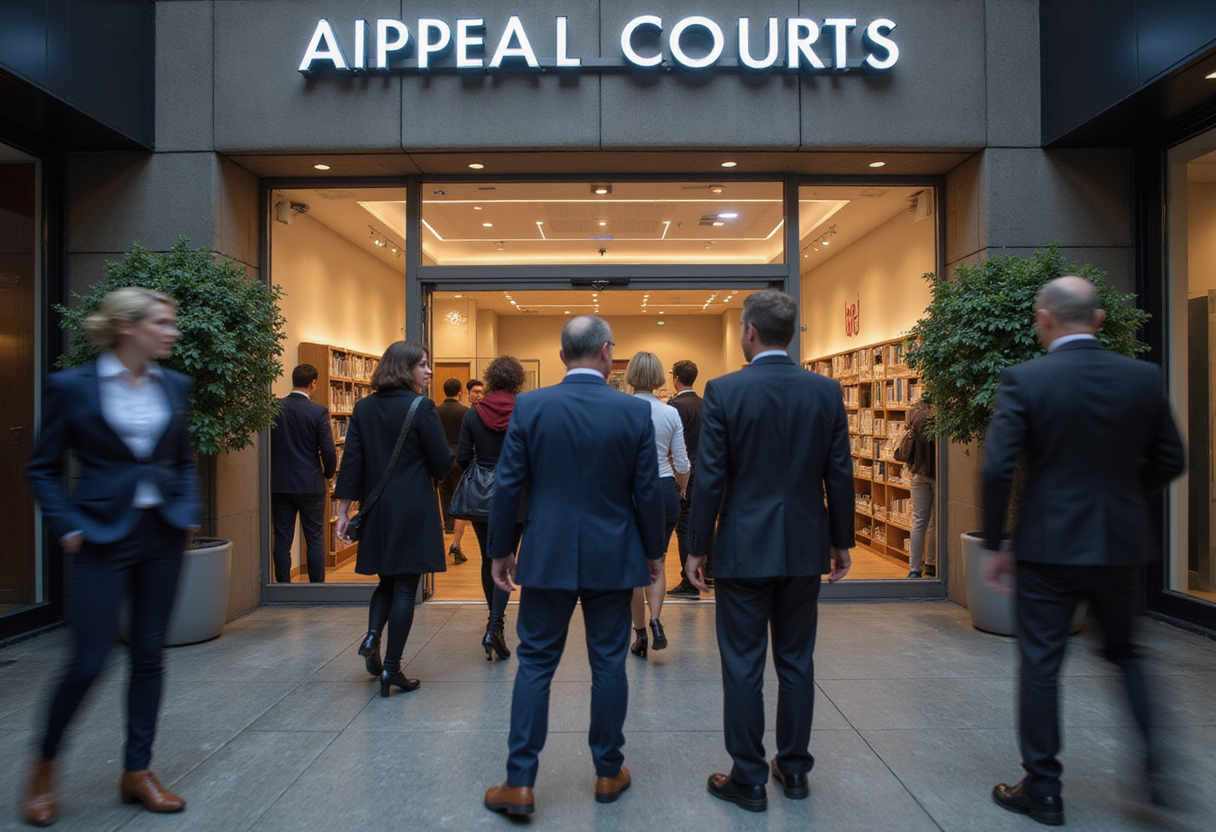
An appellate court has revived contested portions of a franchise arbitration award, reversing in part a lower court's refusal to enforce the arbitrator's decision and returning the disputed components of the award to effect.
The appeal concerned a franchise dispute in which a party had challenged the arbitration award after the arbitrator ruled against it. A court at first instance had set aside or declined to enforce the contested parts of the award. The appeal court has now restored those parts, meaning the award stands again in the form the arbitrator issued it.
At the center of the case is a recurring question in franchise litigation: when may a court refuse to enforce an arbitration award, and when must it defer to the arbitrator's resolution of the parties' disputes? Franchise agreements routinely contain arbitration clauses, and awards issued under them are ordinarily subject to only narrow judicial review. The appeal court's decision reinforces that narrowness. Where a challenger cannot satisfy the limited statutory grounds for vacating or resisting enforcement, the award must be given effect.
The practical consequence for practitioners is straightforward. Parties to franchise agreements who lose before an arbitrator should not expect a second, merits-level review in court. Challenges to arbitration awards must rest on the recognized grounds for vacatur — such as evident partiality, corruption, fraud, or manifest disregard of the contract — not on disagreement with the arbitrator's conclusions. For franchisors and franchisees alike, the decision underscores that the arbitral forum is, in most cases, the last word on the merits.
Counsel drafting franchise agreements should take note as well. The scope of the arbitration clause, the choice of arbitral rules, and the seat of arbitration will together determine how much judicial scrutiny an eventual award may face. Well-drafted clauses reduce the surface area for the kind of post-award litigation this case illustrates.
The decision also carries a procedural lesson for award challengers. Courts will examine each component of an award separately. A defect alleged against one portion of the award does not automatically taint the remainder, and a successful defense of the award on appeal can restore the disputed parts to full effect, as happened here.
For the prevailing party, the ruling means enforcement can now proceed on the restored portions of the award. The losing party's remaining options are limited to further appellate review, where available, or compliance.
Global Law Wire will report the case reference, deciding court, and full reasoning once the published judgment is available. The headline summary indicates only that an appeal court has revived the contested parts of a franchise arbitration award; practitioners should consult the judgment itself before relying on its reasoning in specific matters.
via GN Arbitration (Source)
More from Amara Osei
Show full bio
Senior reporter covering industry trends and analytics at Global Law Wire.
186 articles
Also before the court
- SCOTUS: Court Kept Jurisdiction to Decide Arbitral Award
- Supreme Court: Federal Courts Keep Power Over Arbitration Awards
- US Supreme Court Rules on Federal Courts' Powers Over Arbitral Awards
- Supreme Court Unanimous on Federal Post-Award Arbitration Jurisdiction
- Canadian Court Rulings Show Deepening Judicial Deference to Arbitration