Law report No. GLW-1114 · filed November 2, 2026
Legal PracticeReported case
AI-Native Firm Vetta Bids for Weil Gotshal Lawyers and IP Assets
AI-native firm Vetta, founded by ex-Latham lawyer Nic Vetta, is bidding for Weil Gotshal's lawyers and IP assets, including precedents and playbooks, as the New York firm heads to dissolution.
By Sophie Lindqvist4 min read761 words
Holding
- AI-native firm Vetta, founded by ex-Latham & Watkins lawyer Nic Vetta, is bidding for Weil Gotshal's lawyers and IP as the New York firm heads to dissolution
- Competing bidders include legal AI company Scissero, while new-model firm Crosby has publicly announced interest
- Targeted assets include Weil's precedents, playbooks, knowledge-management infrastructure and associated technology
- Vetta's model has no billable hour targets and no leverage pyramid, with AI doing much of the volume work
- Kirkland & Ellis previously brought in Palantir to leverage its own data with AI for private equity work
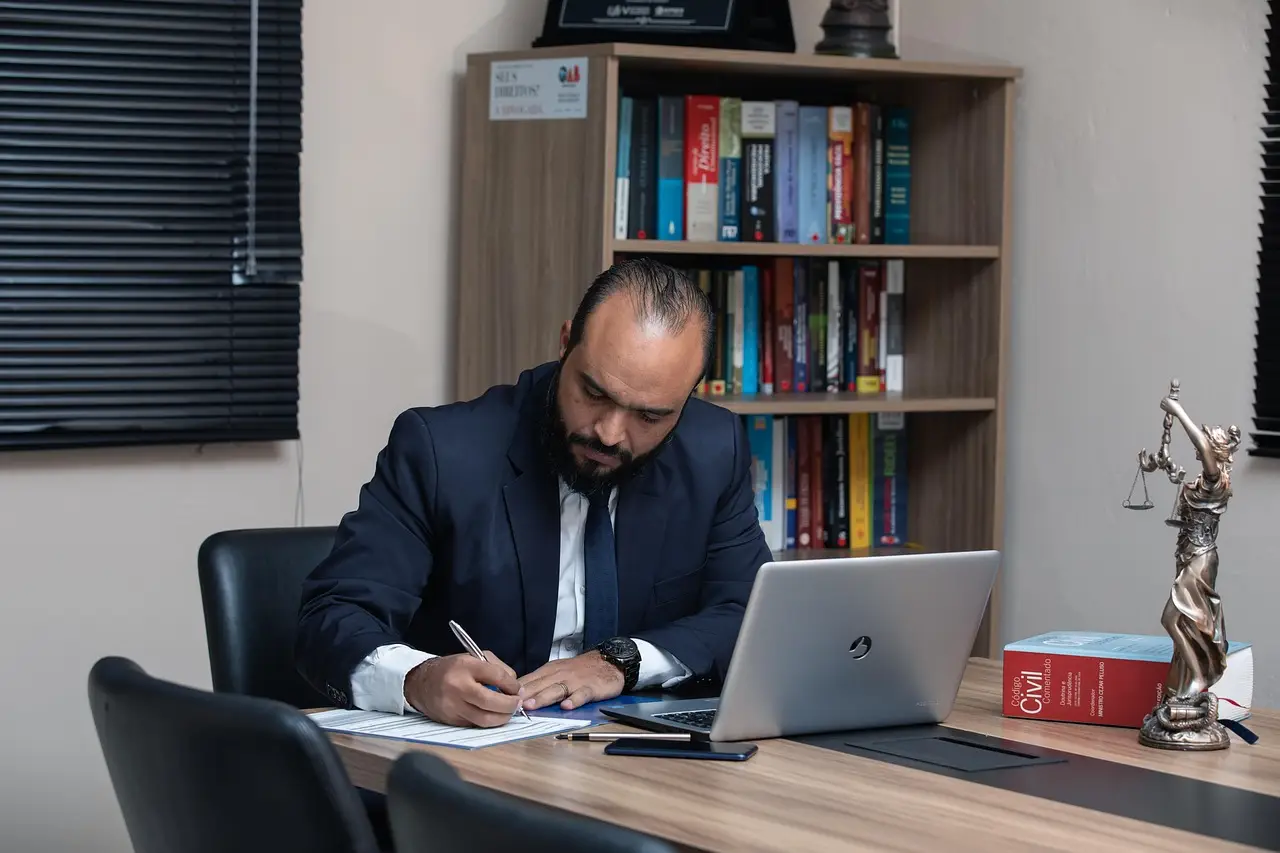
AI-native law firm Vetta has tabled a bid for both lawyers and intellectual property from Weil Gotshal, as the top New York firm moves toward dissolution.
Vetta, founded by former Latham & Watkins lawyer Nic Vetta, is competing with at least two other bidders. Legal AI company Scissero is also bidding, according to Artificial Lawyer. Crosby, another new-model firm, has already publicly declared its interest in acquiring parts of the collapsing firm.
What exactly is Vetta buying?
The target isn't just people. It's understood that Vetta, like the other bidders, wants Weil's IP and know-how assets. That means the firm's precedents, its playbooks, its knowledge-management infrastructure and the associated technology.
The logic is straightforward. Vetta launched recently and focuses on private equity — a core Weil strength. Nic Vetta has said before that he wants to attract leading lawyers to the firm's AI-driven approach to legal work. The Weil bid would deliver both the talent and the toolkit in one move.
Bidders also want to give Weil lawyers a home. Not just a fresh start after the collapse, but a new way of working — with AI at the centre of the practice.
Can a buyer legally use another firm's IP?
This is the tricky part. The view among sources Artificial Lawyer spoke to is that bidders can use the data, provided confidentiality isn't compromised.
Think of it like this: a precedent for structuring a piece of a PE deal may have been created for a client years ago. If that document contains no client information and no details of the past deal, it may be fine to reuse. Anyone taking the IP will still have to verify that it is genuinely safe to use. The bidders, however, appear confident on this point.
The IP hunt fits a wider pattern. Many law firms are now trying to exploit their own data with AI. Kirkland & Ellis famously brought in Palantir to do exactly that for its private equity work. Precedents and playbooks have quietly become assets worth bidding for, rather than back-office clutter.
Will Weil lawyers fit an AI-native model?
Nic Vetta doesn't think all of them will — and he says that's fine.
"Not all of them, and that's fine," Vetta told Artificial Lawyer. "In our model a lawyer's value lies in judgement and client relationships, while AI does much of the volume work. There are no billable hour targets and no leverage pyramid to feed."
That last phrase matters. The leverage pyramid is the traditional Big Law structure where a few partners supervise layers of associates billing by the hour. Vetta's model strips that out.
He draws a clear dividing line between two kinds of partner. Those whose careers rest on relationships and judgement are a natural fit — they can focus on clients and work quality without the overhead. Those whose roles revolve around managing large associate teams may find the transition harder. "Weil's lawyers are some of the best trained in the market, and I expect a number of them will want to practise differently after this," Vetta said.
Does Weil's collapse reveal a deeper Big Law problem?
Vetta argues yes. He points out that Weil was not failing financially. The firm came apart after leading partners departed, and once enough had left, the rest had little reason to stay.
"That exposes a structural weakness in the current model," he said. Historically, partners needed a firm for leverage, brand, balance sheet and coverage.
Software is increasingly absorbing the work that once justified the traditional leverage model, Vetta argues, while the growth of transactional boutiques shows much of the rest can be assembled differently. His warning is blunt: "The risk for Big Law is fragmentation. Today, a partner who brings in work asks which firm will pay them most. Before long, more will ask whether they need a large firm at all."
What's the practical takeaway?
For practitioners, three things stand out:
- Firm IP — precedents, playbooks, knowledge management systems — is now a tradeable asset in a dissolution, not just office residue.
- Confidentiality screening is the legal gate on any such transfer, and buyers bear the burden of verifying it.
- The market for displaced partners is splitting between traditional firms and AI-native models, with genuinely different economics on each side.
The Weil auction, in short, is a live test of whether a collapsing firm's knowledge can legally move into a new-model practice, and whether star partners will follow it there.
via legalinnovators.co.uk (Original)
More from Sophie Lindqvist
Show full bio
News editor covering people, launches and day-to-day practice in International law and legal practice at Global Law Wire.
289 articles
Also before the court
- Harvey Acquires AI Sales Platform Aida in Fifth Deal of 2026
- Weil Gotshal wind-down triggers race to recruit its lawyers
- Weil Partners Line Up Rival Moves as Trainees Face Uncertain Future
- Hogan Lovells Cadwalader Signs Both Harvey and Legora in Rare Dual AI Deal
- Weil in Merger Talks With Unnamed Firm, Bloomberg Law Reports